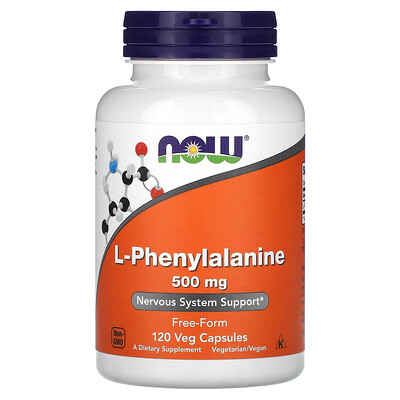
Understanding L-Phenylalanine: Benefits and Considerations
Name and Basic Overview
L-Phenylalanine is an essential amino acid, meaning it must be obtained through the diet as the body cannot synthesize it. It is crucial for protein synthesis and is a precursor to several important neurotransmitters.
It is naturally found in protein-rich foods such as meat, fish, eggs, dairy products, and some plant-based sources like soy and nuts. It can also be produced synthetically for supplementation.
Commonly sought for its potential benefits in supporting the nervous system, mood regulation, and cognitive function.
Historical Background / Traditional Use
L-Phenylalanine has been recognized for its role in human nutrition since the early 20th century. While not traditionally used in ancient medicine, its importance became evident with the understanding of amino acids and protein metabolism in modern nutritional science.
Today, its use has expanded beyond dietary intake to include supplementation for specific health benefits, particularly in mental health and neurological support.
Composition and Active Components
The primary component is L-Phenylalanine, an amino acid that serves as a building block for proteins and is a precursor to tyrosine.
Tyrosine, in turn, is converted into key neurotransmitters such as dopamine, norepinephrine, and epinephrine, which are vital for brain function and mood regulation.
These neurotransmitters play roles in attention, motivation, pleasure, and the body's response to stress.
Research and Evidence Base
Research indicates that L-Phenylalanine supplementation may have potential benefits in managing conditions like depression and vitiligo, though evidence is mixed and further studies are needed.
Some clinical trials suggest that it may enhance mood and cognitive function by increasing the levels of neurotransmitters in the brain.
However, the evidence is not yet robust, and more comprehensive studies are required to confirm these effects and establish optimal dosing guidelines.
Preclinical studies have shown promising results in understanding the metabolic pathways of L-Phenylalanine and its conversion to tyrosine, guiding future research on its therapeutic potential.
Potential Health Benefits
- Nervous System Support: L-Phenylalanine is crucial for synthesizing proteins and can be converted into tyrosine, a precursor for neurotransmitters like dopamine and norepinephrine. These neurotransmitters are vital for mood regulation, cognitive function, and overall nervous system health.
- Mood Enhancement: Some studies suggest that L-Phenylalanine may help improve mood and alleviate symptoms of depression by increasing dopamine levels, although more research is needed to confirm these effects.
- Cognitive Function: By supporting neurotransmitter production, L-Phenylalanine may contribute to improved focus, memory, and mental clarity.
Safety, Side Effects, and Precautions
- Gastrointestinal Upset: Some users may experience mild side effects such as nausea or heartburn.
- Phenylketonuria (PKU): Individuals with PKU, a genetic disorder, should avoid L-Phenylalanine as they cannot metabolize it properly, leading to harmful levels in the body.
- Pregnancy and Breastfeeding: There is limited research on the safety of L-Phenylalanine supplementation during pregnancy and breastfeeding, so it is advisable to consult a healthcare provider before use.
- Interactions with Medications: Those taking medications for mood disorders or other neurological conditions should consult a healthcare professional, as L-Phenylalanine may interact with these drugs.
Summary and Takeaway
Main Benefits: Supports nervous system health, potential mood enhancement, and cognitive function improvement.
Caveats: Not suitable for individuals with PKU, potential gastrointestinal side effects, and limited research on safety during pregnancy.
Potential Risks: Interaction with certain medications and unsuitability for specific genetic conditions.
Worth Trying? L-Phenylalanine may be beneficial for those looking to support their nervous system and cognitive health, but it is essential to consider individual health conditions and consult with a healthcare provider.
Rating Among Supplements: 7/10. L-Phenylalanine is a well-regarded amino acid supplement with potential benefits, but its effects can vary based on individual health conditions.
Rating Based on Research: 6/10. While there is some promising research on L-Phenylalanine, more comprehensive studies are needed to fully understand its benefits and safety profile.

Wellmate AI
Your smart AI assistant for supplements and wellness. Trained on scientific research, it provides personalized recommendations based on your intake, health data, and global standards (WHO, FDA). Chat with AI, track supplements, and get expert-backed insights—all in one app. Download Wellmate