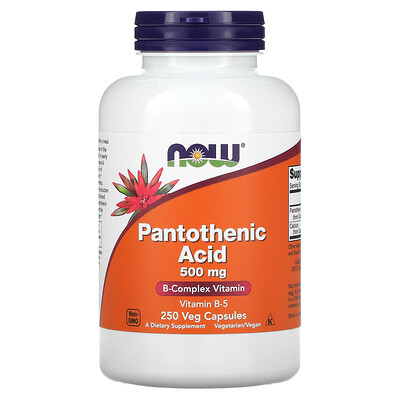
Pantothenic Acid (Vitamin B-5): Benefits and Usage
Name and Basic Overview
Pantothenic Acid (Vitamin B-5) is a water-soluble B-complex vitamin essential for various physiological functions. It is commonly found in foods such as eggs, fish, poultry, whole grains, and vegetables, and can also be synthesized in supplement form. People often seek Pantothenic Acid for its role in energy metabolism, stress reduction, and skin health.
Historical Background / Traditional Use
Pantothenic Acid was first identified in the 1930s and has since been recognized for its critical role in cellular metabolism. Historically, it has not been a focus in traditional medicine, but its importance has grown with modern nutritional science, particularly in the context of energy production and adrenal function.
Composition and Active Components
The primary active component in this supplement is Pantothenic Acid, provided as Calcium Pantothenate, which is a stable form used in dietary supplements. Pantothenic Acid is a precursor to Coenzyme A (CoA), a cofactor involved in the synthesis and oxidation of fatty acids, and the metabolism of carbohydrates and proteins. It is also crucial for the synthesis of acetylcholine, a neurotransmitter, and the production of steroid hormones.
Research and Evidence Base
Research indicates that Pantothenic Acid is vital for energy metabolism and the synthesis of essential biomolecules. It is involved in the Krebs cycle, which is central to energy production in cells. Clinical studies have shown that adequate intake of Pantothenic Acid supports adrenal function and may help in managing stress. However, evidence regarding its efficacy in treating specific conditions like acne is still inconclusive and requires further research. The current evidence base supports its role in maintaining general health, particularly in energy metabolism and cellular function, but more robust clinical trials are needed to substantiate specific health claims.
Potential Health Benefits
- Energy Metabolism Support: Pantothenic Acid is crucial for the synthesis of Coenzyme A, which is essential for converting fats, carbohydrates, and proteins into energy. This makes it a popular choice for those looking to enhance their energy levels.
- Adrenal Function: It plays a role in the production of adrenal hormones, which are vital for stress response and overall hormonal balance.
- Synthesis of Vital Compounds: Pantothenic Acid is involved in the biosynthesis of fats, cholesterol, and neurotransmitters, supporting brain health and cellular functions.
- Red Blood Cell Formation: It contributes to the production of red blood cells, which are necessary for oxygen transport throughout the body.
Safety, Side Effects, and Precautions
General Safety: Pantothenic Acid is generally considered safe with a low risk of toxicity, as it is water-soluble and excess amounts are excreted in urine.
Potential Side Effects: High doses may cause mild gastrointestinal upset, such as diarrhea.
Specific Populations: Pregnant or breastfeeding women should consult a healthcare provider before use. Individuals with known allergies to any components should avoid this supplement.
Drug Interactions: There are no well-documented interactions, but it is always advisable to consult with a healthcare professional if you are taking other medications.
Summary and Takeaway
Main Benefits: Supports energy metabolism, adrenal function, and synthesis of essential compounds.
Caveats: Generally safe, but high doses may cause mild gastrointestinal issues.
Potential Risks: Minimal, but consultation is advised for specific populations.
Worth Trying?: Beneficial for those seeking to support energy levels and overall metabolic health.
Rating Among Similar Supplements: 8/10. It is a well-regarded supplement for its role in energy metabolism and cellular functions.
Rating Based on Research: 7/10. While the role of Pantothenic Acid in metabolism is well-documented, more research could further elucidate its broader health impacts.

Wellmate AI
Your smart AI assistant for supplements and wellness. Trained on scientific research, it provides personalized recommendations based on your intake, health data, and global standards (WHO, FDA). Chat with AI, track supplements, and get expert-backed insights—all in one app. Download Wellmate