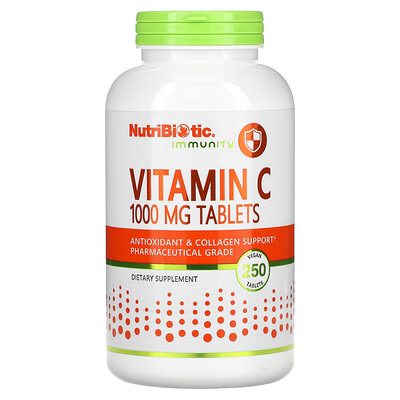
NutriBiotic Immunity Vitamin C 1,000 mg Tablets: Benefits and Considerations
Name and Basic Overview
NutriBiotic Immunity Vitamin C 1,000 mg tablets are a dietary supplement designed to support antioxidant activity and collagen synthesis. The primary ingredient is L-ascorbic acid, a synthetic form of vitamin C, which is essential for various bodily functions. People commonly use vitamin C supplements for immune support, skin health, and to enhance overall wellness.
Historical Background / Traditional Use
Vitamin C, or ascorbic acid, was first isolated in the early 20th century and has since been recognized for its role in preventing scurvy, a disease caused by vitamin C deficiency. Historically, vitamin C-rich foods like citrus fruits were used to prevent scurvy among sailors. Modern usage focuses on its antioxidant properties and its role in collagen synthesis, which were not fully understood in traditional contexts.
Composition and Active Components
The active component in this supplement is L-ascorbic acid, a water-soluble vitamin that acts as a potent antioxidant. Vitamin C is crucial for the synthesis of collagen, a protein that helps maintain the integrity of skin, cartilage, and bones. It also plays a role in the biosynthesis of L-carnitine and certain neurotransmitters, contributing to energy production and nervous system function.
Research and Evidence Base
Numerous studies have demonstrated the efficacy of vitamin C in supporting immune function, particularly in reducing the duration and severity of the common cold. A meta-analysis published in the Cochrane Database of Systematic Reviews suggests that regular vitamin C supplementation may reduce the duration of colds in the general population. Research also indicates that vitamin C's antioxidant properties can help protect cells from oxidative stress, which is linked to chronic diseases. While evidence supports its role in immune health and collagen synthesis, claims about vitamin C's ability to prevent or treat more serious conditions remain inconclusive and require further investigation.
Potential Health Benefits
- Antioxidant Support: Vitamin C is well-known for its antioxidant properties, which help protect cells from damage by free radicals. This can contribute to overall health and may reduce the risk of chronic diseases.
- Immune System Support: Vitamin C is crucial for the proper functioning of the immune system. It supports various cellular functions of both the innate and adaptive immune systems.
- Collagen Synthesis: Essential for the biosynthesis of collagen, vitamin C plays a vital role in wound healing and maintaining the integrity of skin, cartilage, and bones.
- Enhanced Iron Absorption: Vitamin C can enhance the absorption of non-heme iron, the type of iron present in plant-based foods, which is beneficial for individuals with iron-deficiency anemia.
- Potential Cardiovascular Benefits: Some studies suggest that vitamin C may help lower blood pressure and improve endothelial function, contributing to cardiovascular health.
Safety, Side Effects, and Precautions
- Gastrointestinal Upset: High doses of vitamin C can cause gastrointestinal disturbances such as diarrhea, nausea, and abdominal cramps.
- Kidney Stones: Excessive intake of vitamin C may increase the risk of kidney stones in susceptible individuals due to increased oxalate excretion.
- Interactions with Medications: Vitamin C can interact with certain medications, such as statins and chemotherapy drugs, potentially altering their effectiveness.
- Special Populations: Pregnant and breastfeeding women should consult a healthcare provider before taking high doses of vitamin C. Individuals with a history of kidney stones or certain metabolic disorders should also exercise caution.
Summary and Takeaway
Main Benefits: Provides antioxidant support, boosts immune function, aids in collagen synthesis, and enhances iron absorption.
Caveats: Potential for gastrointestinal upset and kidney stones at high doses; possible interactions with medications.
Potential Risks: Overconsumption can lead to adverse effects, particularly in individuals with pre-existing health conditions.
Worth Trying?: This supplement is worth considering for those looking to support their immune system and overall health, particularly if dietary intake of vitamin C is insufficient.
Who Might Benefit?: Individuals with increased vitamin C needs, such as smokers, those with limited dietary intake, or those recovering from illness.
Open Questions: Long-term effects of high-dose vitamin C supplementation remain an area for further research.
Rating Among Similar Supplements: 8/10. This product offers a high dose of pharmaceutical-grade vitamin C in a vegan, gluten-free, and non-GMO formulation, making it a strong choice for those seeking a reliable vitamin C supplement.
Rating Based on Research: 9/10. Vitamin C is one of the most well-studied vitamins, with extensive research supporting its health benefits and safety profile.

Wellmate AI
Your smart AI assistant for supplements and wellness. Trained on scientific research, it provides personalized recommendations based on your intake, health data, and global standards (WHO, FDA). Chat with AI, track supplements, and get expert-backed insights—all in one app. Download Wellmate