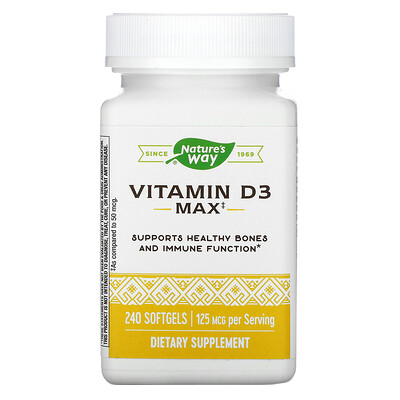
Nature's Way Vitamin D3: Benefits and Usage
Name and Basic Overview
Nature's Way Vitamin D3 is a dietary supplement providing 125 mcg (5000 IU) of Vitamin D3 per serving, formulated in softgel form. Vitamin D3, also known as cholecalciferol, is naturally synthesized in the skin upon exposure to sunlight and can be found in small amounts in foods like fatty fish, liver, and egg yolks. It is also available in synthetic form for supplementation. This supplement is primarily sought for its role in supporting bone health and immune function, as it enhances calcium absorption and modulates immune responses.
Historical Background / Traditional Use
Historically, Vitamin D was recognized for its role in preventing rickets, a disease characterized by bone deformities in children. This led to the fortification of foods with Vitamin D in the early 20th century. While traditional medicine did not specifically isolate Vitamin D, sun exposure has long been recommended for overall health, indirectly supporting Vitamin D synthesis.
Composition and Active Components
The active component in this supplement is Vitamin D3 (cholecalciferol), a fat-soluble vitamin. Vitamin D3 is converted in the liver to 25-hydroxyvitamin D, the main circulating form, and then to its active form, calcitriol, in the kidneys. Calcitriol functions as a hormone, regulating calcium and phosphate balance, crucial for maintaining bone structure and health.
Research and Evidence Base
Numerous studies have established the importance of Vitamin D3 in bone health, with evidence supporting its role in enhancing calcium absorption and reducing the risk of fractures in older adults. Research also indicates that adequate Vitamin D levels are associated with a well-functioning immune system, potentially reducing the risk of infections and autoimmune diseases. A meta-analysis published in the British Medical Journal (BMJ) highlighted that Vitamin D supplementation could reduce the risk of acute respiratory infections, particularly in individuals with low baseline levels. However, while the evidence for bone health is robust, research on other health benefits, such as cancer prevention or cardiovascular health, remains inconclusive and requires further investigation.
Potential Health Benefits
- Supports Healthy Bones: Vitamin D3 is crucial for calcium absorption, which is essential for maintaining strong bones and teeth. Adequate levels of Vitamin D3 can help prevent bone disorders such as osteoporosis.
- Boosts Immune Function: Vitamin D3 plays a role in modulating the immune system, potentially reducing the risk of infections and autoimmune diseases.
- High Potency: With 125 mcg (5000 IU) per serving, this supplement provides a high dose of Vitamin D3, which may be beneficial for individuals with low sun exposure or those with higher Vitamin D needs.
Safety, Side Effects, and Precautions
- Potential Side Effects: High doses of Vitamin D3 can lead to hypercalcemia, which may cause nausea, vomiting, weakness, and serious complications like kidney damage.
- Precautions: Individuals with conditions such as hyperparathyroidism, kidney disease, or those taking certain medications should consult a healthcare provider before use.
- Demographics: Pregnant or breastfeeding women, children, and those with specific health conditions should seek medical advice prior to supplementation.
Summary and Takeaway
Main Benefits: Supports bone health and immune function; high potency for those with increased Vitamin D needs.
Caveats: Risk of hypercalcemia with excessive intake; consult a healthcare provider if you have underlying health conditions.
Potential Risks: Over-supplementation can lead to serious health issues; ensure appropriate dosage.
Worth Trying: This supplement is beneficial for individuals with low Vitamin D levels or limited sun exposure, but caution is advised regarding dosage.
Rating Among Supplements: 8/10. It offers a high dose of Vitamin D3, which is beneficial for many, but the risk of over-supplementation requires careful consideration.
Rating Based on Research: 9/10. Vitamin D3 is well-studied with substantial evidence supporting its role in bone health and immune function, though individual needs may vary.

Wellmate AI
Your smart AI assistant for supplements and wellness. Trained on scientific research, it provides personalized recommendations based on your intake, health data, and global standards (WHO, FDA). Chat with AI, track supplements, and get expert-backed insights—all in one app. Download Wellmate