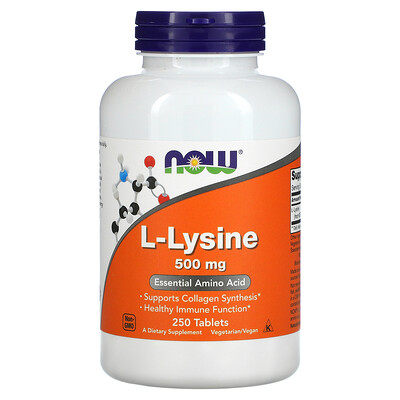
L-Lysine: Benefits, Uses, and Safety
Name and Basic Overview
L-Lysine is an essential amino acid, meaning it cannot be synthesized by the body and must be obtained through diet or supplementation. It is naturally found in foods such as meat, fish, dairy, eggs, and some plant-based sources like legumes and quinoa. L-Lysine is commonly sought for its role in collagen synthesis, immune support, and cardiovascular health.
Historical Background / Traditional Use
Historically, lysine has been recognized for its importance in protein synthesis and overall health. While not traditionally used in ancient medicine, its significance has grown with modern nutritional science, particularly in supporting connective tissue health and immune function.
Composition and Active Components
The primary active component is L-Lysine, an amino acid crucial for protein synthesis. It plays a vital role in the formation of collagen and elastin, essential for maintaining healthy skin, tendons, and bones. L-Lysine is also a precursor to L-carnitine, which is involved in fat metabolism and energy production.
Research and Evidence Base
Clinical studies have shown that L-Lysine supplementation can support immune function, particularly in reducing the frequency and severity of herpes simplex virus outbreaks. Research indicates its role in collagen synthesis may aid in wound healing and skin health. Some studies suggest potential benefits in cardiovascular health, although more research is needed to confirm these effects. Overall, the evidence supporting L-Lysine's benefits is robust for certain applications, such as immune support and collagen synthesis, while other areas require further investigation.
Potential Health Benefits
- Supports Collagen Synthesis: L-Lysine is crucial for collagen production, which is vital for maintaining healthy skin, tendons, and bones. This can potentially aid in wound healing and skin health.
- Healthy Immune Function: L-Lysine may enhance immune response, possibly reducing the frequency and severity of cold sores caused by the herpes simplex virus.
- Fat Metabolism and Energy Production: As a precursor to L-carnitine, L-Lysine plays a role in converting fatty acids into energy, which might support weight management and energy levels.
- Cardiovascular Health: Some studies suggest L-Lysine may contribute to cardiovascular health by supporting arterial function and reducing lipoprotein(a) levels, although more research is needed.
Safety, Side Effects, and Precautions
- Gastrointestinal Upset: Some individuals may experience stomach discomfort, diarrhea, or nausea when taking L-Lysine supplements.
- Allergic Reactions: Although rare, allergic reactions can occur. Symptoms might include rash, itching, or swelling.
- Pregnancy and Breastfeeding: Pregnant or breastfeeding women should consult a healthcare provider before using L-Lysine supplements.
- Kidney Disease: Those with kidney disease should use caution, as excessive amino acid intake can strain kidney function.
Summary and Takeaway
Main Benefits: Supports collagen synthesis, immune function, and energy production.
Caveats: Potential for gastrointestinal upset and rare allergic reactions.
Potential Risks: Caution advised for pregnant women and individuals with kidney disease.
Worth Trying: L-Lysine may be beneficial for those looking to support skin health, immune function, and energy levels, particularly if dietary intake is insufficient.
Rating Among Supplements: 8/10. L-Lysine is a well-regarded amino acid supplement with multiple potential benefits and a good safety profile.
Rating Based on Research: 7/10. While there is promising research on L-Lysine's benefits, more extensive studies are needed to fully confirm its effects, particularly in cardiovascular health.
This review provides a balanced perspective on NOW Foods L-Lysine, highlighting its potential benefits and considerations for use.

Wellmate AI
Your smart AI assistant for supplements and wellness. Trained on scientific research, it provides personalized recommendations based on your intake, health data, and global standards (WHO, FDA). Chat with AI, track supplements, and get expert-backed insights—all in one app. Download Wellmate