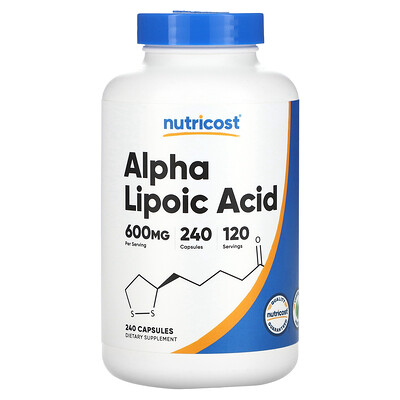
Alpha Lipoic Acid: Benefits, Uses, and Safety
Name and Basic Overview
Alpha Lipoic Acid (ALA) is a naturally occurring compound that functions as an antioxidant in the body. It is both water and fat-soluble, allowing it to work in various cellular environments. ALA is synthesized in small amounts by the human body and can also be found in foods such as spinach, broccoli, and organ meats. However, supplementation is often sought to achieve higher levels. People commonly use ALA supplements for its potential benefits in energy metabolism, antioxidant support, and blood sugar regulation.
Historical Background / Traditional Use
Alpha Lipoic Acid was first discovered in the 1950s and was initially recognized for its role in mitochondrial energy production. While not traditionally used in ancient medicine, its antioxidant properties have made it a subject of interest in modern health and wellness practices.
Composition and Active Components
The primary active component in this supplement is Alpha Lipoic Acid itself. ALA acts as a cofactor for mitochondrial enzymes involved in energy production. It is known for its ability to regenerate other antioxidants, such as vitamin C and E, and increase levels of glutathione, a critical antioxidant in the body. ALA's dual solubility allows it to neutralize free radicals in both lipid and aqueous environments, enhancing its protective effects on cells.
Research and Evidence Base
Clinical studies have explored ALA's role in managing diabetic neuropathy, with some evidence suggesting it may help alleviate symptoms like pain and numbness. Research also indicates potential benefits in improving insulin sensitivity and reducing oxidative stress, although findings are mixed and further studies are needed to confirm these effects. ALA has been investigated for its role in weight management and neuroprotection, but current evidence remains preliminary and inconclusive. Overall, while ALA shows promise in several areas, more robust clinical trials are necessary to establish definitive health claims.
Potential Health Benefits
- Antioxidant Support: Alpha Lipoic Acid (ALA) is renowned for its potent antioxidant properties, which help neutralize free radicals and reduce oxidative stress in the body. This can potentially support overall cellular health and longevity.
- Blood Sugar Regulation: Some studies suggest that ALA may help improve insulin sensitivity and support healthy blood sugar levels, making it a popular supplement among individuals managing diabetes or metabolic syndrome.
- Nerve Health: ALA has been investigated for its role in supporting nerve health, particularly in conditions like diabetic neuropathy, where it may help alleviate symptoms such as pain and numbness.
- Energy Metabolism: As a cofactor in mitochondrial energy production, ALA may enhance energy metabolism, potentially boosting energy levels and reducing fatigue.
Safety, Side Effects, and Precautions
- Gastrointestinal Upset: Some users may experience mild side effects such as nausea, diarrhea, or stomach discomfort, particularly at higher doses.
- Allergic Reactions: Although rare, allergic reactions can occur. Individuals with known allergies to ALA should avoid this supplement.
- Blood Sugar Levels: Those on medication for diabetes should monitor their blood sugar levels closely, as ALA may enhance the effects of these medications.
- Pregnancy and Breastfeeding: There is limited research on the safety of ALA supplementation during pregnancy and breastfeeding, so it is advisable to consult a healthcare provider before use.
Summary and Takeaway
Main Benefits: Antioxidant support, potential blood sugar regulation, nerve health support, and energy metabolism enhancement.
Caveats: Possible gastrointestinal upset, need for caution in individuals with diabetes, and limited research on use during pregnancy and breastfeeding.
Potential Risks: Mild side effects and interactions with diabetes medications.
Worth Trying?: ALA supplementation may be beneficial for those seeking antioxidant support, improved energy metabolism, or managing blood sugar levels. However, individuals should consult with a healthcare provider, especially if they have underlying health conditions or are pregnant.
Rating Among ALA Supplements: 8/10. Nutricost's Alpha Lipoic Acid offers a high-quality, non-GMO, gluten-free product with third-party testing, making it a reliable choice in the ALA supplement market.
Rating Based on Research: 7/10. While ALA is well-studied for its antioxidant properties and potential benefits in blood sugar regulation and nerve health, more research is needed to fully understand its effects and optimal dosing in various populations.

Wellmate AI
Your smart AI assistant for supplements and wellness. Trained on scientific research, it provides personalized recommendations based on your intake, health data, and global standards (WHO, FDA). Chat with AI, track supplements, and get expert-backed insights—all in one app. Download Wellmate