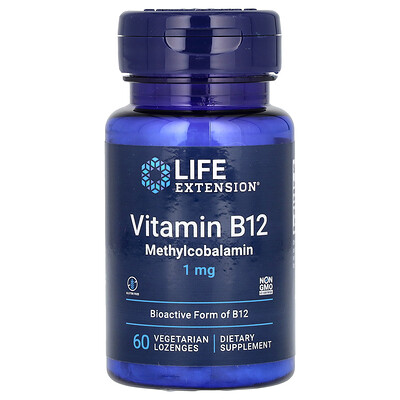
Life Extension Vitamin B12 Methylcobalamin: Benefits and Usage
Name and Basic Overview
Life Extension Vitamin B12 Methylcobalamin is a dietary supplement designed to support nerve and blood cell health, as well as DNA synthesis. It is presented in the form of vegetarian lozenges, making it accessible for those with dietary restrictions.
Vitamin B12 is naturally found in animal-based foods such as meat, fish, dairy, and eggs, but it can also be synthesized for supplementation. People often seek Vitamin B12 supplements to address deficiencies, particularly for energy support, cognitive health, and cardiovascular wellness.
Historical Background / Traditional Use
Vitamin B12 was first isolated in the 1940s, and its deficiency was linked to pernicious anemia, a condition historically treated with liver extracts. While not traditionally used in ancient medicine, the understanding of B12's role in health has evolved significantly, with modern usage focusing on supplementation for those with dietary restrictions or absorption issues.
Composition and Active Components
The active component in this supplement is Methylcobalamin, a bioactive form of Vitamin B12. Methylcobalamin is crucial for the conversion of homocysteine to methionine, an amino acid that supports cardiovascular health. It also plays a role in the synthesis of neurotransmitters, which are vital for brain health and cognitive function. This form of B12 is preferred for its superior absorption and retention in the body compared to other forms like cyanocobalamin.
Research and Evidence Base
Numerous studies have highlighted the importance of Vitamin B12 in maintaining neurological function and preventing cognitive decline, particularly in the elderly. A meta-analysis published in the "American Journal of Clinical Nutrition" underscores the role of B12 in reducing homocysteine levels, which are associated with cardiovascular risk.
Research also supports the use of B12 supplementation in vegetarians and vegans, who are at higher risk of deficiency due to dietary limitations. While evidence supports the benefits of B12 for specific populations, ongoing research continues to explore its broader implications for health, including its potential role in energy metabolism and mood regulation.
Potential Health Benefits
- Supports Cardiovascular Health: Vitamin B12 is crucial in maintaining healthy homocysteine levels, which is important for cardiovascular health. Elevated homocysteine is a known risk factor for cardiovascular diseases.
- Enhances Brain Health and Cognition: B12 is essential for neurological function and cognitive health. It supports the maintenance of myelin, the protective sheath around nerves, and is involved in neurotransmitter synthesis.
- Promotes Red Blood Cell Production: B12 is vital for the production of red blood cells, which are necessary for transporting oxygen throughout the body. Deficiency can lead to anemia, characterized by fatigue and weakness.
- Bioactive Form: Methylcobalamin is a bioactive form of B12, meaning it is readily available for the body to use without requiring conversion, potentially offering more efficient absorption and utilization.
Safety, Side Effects, and Precautions
- General Safety: Vitamin B12 is generally considered safe, with a low risk of toxicity due to its water-soluble nature, allowing excess amounts to be excreted in urine.
- Potential Side Effects: Some individuals may experience mild side effects such as gastrointestinal upset or skin reactions, although these are rare.
- Specific Populations: Those with certain medical conditions, such as Leber's disease, should avoid B12 supplements. Pregnant or breastfeeding women should consult a healthcare provider before use.
- Drug Interactions: B12 can interact with certain medications, such as metformin and proton pump inhibitors, potentially affecting absorption.
Summary and Takeaway
Main Benefits: Supports cardiovascular health, enhances brain function, and promotes red blood cell production.
Caveats: Generally safe, but mild side effects and interactions with certain medications are possible.
Potential Risks: Minimal, but those with specific health conditions should exercise caution.
Worth Trying?: This supplement is particularly beneficial for vegetarians, the elderly, and those with absorption issues.
Rating Among B12 Supplements: 8/10. It offers a bioactive form of B12, which is advantageous for absorption and efficacy.
Rating Based on Research: 9/10. Vitamin B12 is well-studied, with substantial evidence supporting its health benefits and safety profile.

Wellmate AI
Your smart AI assistant for supplements and wellness. Trained on scientific research, it provides personalized recommendations based on your intake, health data, and global standards (WHO, FDA). Chat with AI, track supplements, and get expert-backed insights—all in one app. Download Wellmate