Hormonal Harmony: Managing Menopause with Natural Supplements
As women gracefully transition into their 40s, one looming concern inevitably takes center stage: menopause. This chapter, marked by significant hormonal upheavals, often comes with a host of challenging symptoms. Hot flashes, night sweats, mood swings, and sleep disturbances are just a few issues that can disrupt daily life. However, there's good news—natural supplements might offer relief and support hormonal harmony during this phase.
Menopause is the natural biological process marking the end of menstruation and reproductive years. On average, it starts at around the age of 51 in the U.S., though it can begin as early as the 40s or as late as the 60s. The perimenopausal transition can bring about a myriad of symptoms due to fluctuating estrogen and progesterone levels. Addressing these symptoms often requires a multi-faceted approach, and natural supplements are increasingly sought after for their potential benefits.
Expert Opinions on Menopause and Supplements
To shed light on the role of natural supplements, we spoke to Dr. Sandra Wexler, a gynecologist with over 20 years of experience in women’s health, and Lisa Harrison, a certified nutritionist specializing in hormonal health.
"Supplements can be a beneficial component of a holistic approach to managing menopause symptoms," explains Dr. Wexler. "While they shouldn't replace medically prescribed treatments when necessary, they can offer supportive benefits, particularly for women seeking non-hormonal options."
Lisa Harrison agrees, adding, "Natural supplements can help balance the body gently. When used alongside a healthy diet and lifestyle, they can make this transition smoother. It's essential to choose high-quality products and consult with healthcare professionals to tailor an approach to individual needs."
The Natural Supplement Arsenal
Navigating the world of supplements can be overwhelming, so let's delve into some commonly recommended options:
- Black Cohosh: Often praised for its efficacy in reducing hot flashes and night sweats, Black Cohosh is a popular choice. A study published in Menopause journal found it could effectively mitigate these symptoms.
- Red Clover: Rich in phytoestrogens, Red Clover may help mimic the effects of estrogen in the body, potentially alleviating hot flashes and improving bone health.
- Dong Quai: Known as the "female ginseng," Dong Quai is used in traditional Chinese medicine to address menstrual irregularities and menopause symptoms.
- Evening Primrose Oil: This oil contains gamma-linolenic acid (GLA), which can help reduce the severity of hot flashes and improve skin health.
- Vitamins and Minerals: Ensuring adequate intake of Vitamin D, calcium, and magnesium is crucial during menopause. These nutrients support bone health and overall well-being.
- Adaptogenic Herbs: Herbs like Ashwagandha, Rhodiola, and Maca can help the body adapt to stress and maintain hormonal balance.
Personal Anecdotes: Real-Life Solutions
The experiences of other women navigating menopause can offer support and solidarity. Here are a few stories from readers who have found relief through natural supplements:
Janice Adams, 52, from Atlanta, shares: "I started experiencing severe night sweats and mood swings at 49. My doctor recommended I try Black Cohosh. Within a few weeks, I noticed a marked improvement. Coupled with yoga and mindfulness practices, it made a world of difference."
Linda Romero, 47, from Seattle, recounts: "Red Clover was my savior. I had read about its benefits and decided to give it a go. The hot flashes were less frequent, and I felt more balanced overall. It’s now part of my daily routine."
Marianne Hart, 54, from New York, comments: "Evening Primrose Oil has been fantastic for my skin and hot flashes. My nutritionist recommended it, and I've been taking it every day with noticeable improvements."
A Holistic Approach
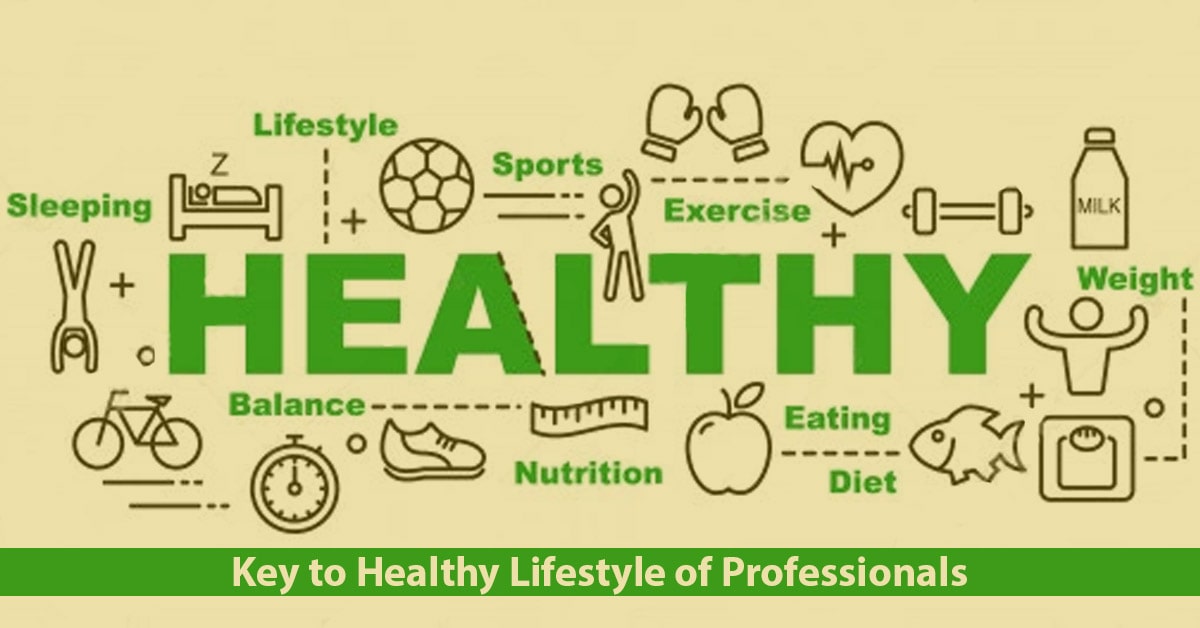
While natural supplements can be beneficial, it's vital to approach menopause health from a holistic perspective. Dr. Wexler emphasizes the importance of a comprehensive plan: "Diet, exercise, mental health, and sleep are pillars of managing menopause. Supplements should complement these lifestyle factors."
Lisa Harrison advises, "Aim for a balanced diet rich in fruits, vegetables, lean proteins, and whole grains. Regular physical activity, such as walking, swimming, or yoga, can help manage weight and reduce stress. Mindfulness practices and adequate sleep are crucial for emotional balance."
What to Look Out For
When incorporating natural supplements into your routine, consider these tips:
- Consult with a Healthcare Provider: Before starting any new supplement, discuss it with your doctor or nutritionist to ensure it fits your specific needs and won't interact with any medications.
- Quality Matters: Choose supplements from reputable brands with third-party testing to ensure purity and potency.
- Start Slowly: Begin with lower doses and monitor your body's response. Adjust as necessary under professional guidance.
- Consistency is Key: Supplements can take time to show benefits. Be patient and consistent with your regimen.
- Monitor and Adjust: Keep track of your symptoms and overall well-being. Share this information with your healthcare provider to fine-tune your approach.
In Conclusion
Menopause is a natural part of life, and managing its symptoms doesn't have to be a daunting task. Natural supplements, when used thoughtfully and in conjunction with a holistic lifestyle, can offer significant relief. By consulting with healthcare professionals and drawing strength from shared experiences, women can navigate this transition with grace and ease.
Ultimately, every woman's journey through menopause is unique. What works for one may not work for another. The goal is to find a balanced, personalized approach that supports well-being and fosters hormonal harmony. Whether through the wisdom of nature, the guidance of experts, or the stories of fellow travelers, solutions and solace are within reach.
For more personalized recommendations and shared experiences, consider joining menopause support groups or forums. Engaging with a community of women who understand can provide both practical advice and emotional support. And always remember, you are not alone on this journey—help and harmony are but a conversation away.

Daria Yarygina
Daria is dedicated to promoting healthy eating habits and evidence-based nutrition practices through her research and publications. She is a certified dietitian with a passion for helping individuals achieve their health goals.