Fountain of Youth: Are Anti-Aging Supplements a Myth or Reality?
As women, the quest for staying vibrant, healthy, and youthful can seem like a never-ending journey. For women over 40, the search for effective anti-aging strategies intensifies as we collectively look for ways to maintain that inner and outer glow. Among the myriad of options, anti-aging supplements have generated substantial interest and debate. But are these supplements genuinely effective, or are they merely myths wrapped in enticing promises? Today, we dive into the latest research on anti-aging supplements, share real stories from women who have personally benefited, and encourage an open discussion on this trending topic.
The Rise of Anti-Aging Supplements
The market for anti-aging products is booming. From creams and serums to specialized vitamins and minerals, the industry is awash with promises of turning back the hands of time. Supplements, in particular, have gained popularity due to their convenience and perceived benefits. But what exactly are these supplements, and do they live up to the hype?
Anti-aging supplements typically contain a blend of antioxidants, vitamins, and natural compounds touted for their skin, hair, and overall health benefits. Common ingredients include collagen, coenzyme Q10 (CoQ10), resveratrol, and various vitamins such as C, D, and E. The theory behind these supplements is that they can combat oxidative stress and inflammation, two significant factors that contribute to aging.
What Does the Science Say?
To understand whether anti-aging supplements are credible or mere marketing gimmicks, it's essential to look at the scientific evidence supporting their use.
- Collagen: Known for its role in maintaining skin elasticity, collagen supplements are among the most popular in the anti-aging segment. Some studies have shown promising results. Research published in the Journal of Medical Nutrition and Nutraceuticals found that collagen supplementation can improve skin hydration, elasticity, and density. However, the body’s ability to absorb and utilize collagen from supplements effectively is still a subject of ongoing research.
- Coenzyme Q10 (CoQ10): CoQ10 is a powerful antioxidant that helps protect cells from damage. Multiple studies suggest that CoQ10 can reduce oxidative stress, thereby potentially slowing down the aging process. A study in BioFactors determined that CoQ10 supplementation improved skin smoothness and reduced wrinkles, making it a compelling candidate for anti-aging.
- Resveratrol: Often found in red wine, resveratrol has been lauded for its potential anti-aging properties. Studies in animals have shown that resveratrol can improve lifespan and delay age-related diseases. Human studies, though, are less conclusive but still indicate some benefits in combating oxidative stress and inflammation.
- Vitamins and Antioxidants: Vitamins C and E, in particular, are well-known for their antioxidant properties. According to a study in the Dermato-Endocrinology journal, these vitamins can play a vital role in protecting the skin from UV damage and promoting collagen production.
While the scientific research is promising, it is crucial to note that more extensive, long-term studies are needed to definitively prove the effectiveness of these supplements in humans. It’s also worth mentioning that results can vary significantly from person to person.
The Stories of Real Women
Beyond the science, the personal experiences of women who have incorporated anti-aging supplements into their routines can provide valuable insights into their effectiveness. Here, we share stories from three women who have journeyed down this path.
Jenna’s Journey with Collagen
Jenna, 45, started taking collagen supplements a year ago after noticing her skin was losing its youthful elasticity. “I was initially skeptical, but I read a lot about collagen and decided to give it a try. Within a few months, I saw a noticeable improvement in my skin's texture and firmness,” she says. Jenna also observed that her nails and hair grew stronger, which was an unexpected but welcome benefit. While she acknowledges that supplements alone aren't a miracle cure, she believes they have substantially contributed to her overall skin health.
Karen’s CoQ10 Experience
Karen, 52, turned to CoQ10 supplements after her doctor recommended them for fatigue and muscle pain. “I started taking CoQ10 for its energy-boosting properties, but I also noticed my skin looked healthier and less wrinkled," she shares. Karen’s experience reflects scientific findings that CoQ10 may have added benefits beyond just energy metabolism, including potential anti-aging effects.
Samantha’s Resveratrol Regimen
At 48, Samantha added resveratrol supplements to her health regimen. “I read about its benefits in preventing age-related diseases and thought it couldn't hurt to try. Over time, I felt like my skin looked better, and I had more energy. It’s hard to quantify these changes, but I feel younger and healthier,” she says. Samantha’s experience underscores the potential psychological benefits of using supplements, which can sometimes be as valuable as physiological improvements.
Encouraging Open Discussion
One of the most crucial aspects of exploring anti-aging supplements is encouraging open, informed discussions. Here are a few points to consider and discuss:
Effectiveness is Individual
While scientific studies offer general guidelines, individual experiences can vary widely. What works wonders for one person might not have the same effect on another. It’s essential to listen to your body and consult with healthcare professionals before starting any new supplement.
Supplements are not a Replacement for Healthy Habits
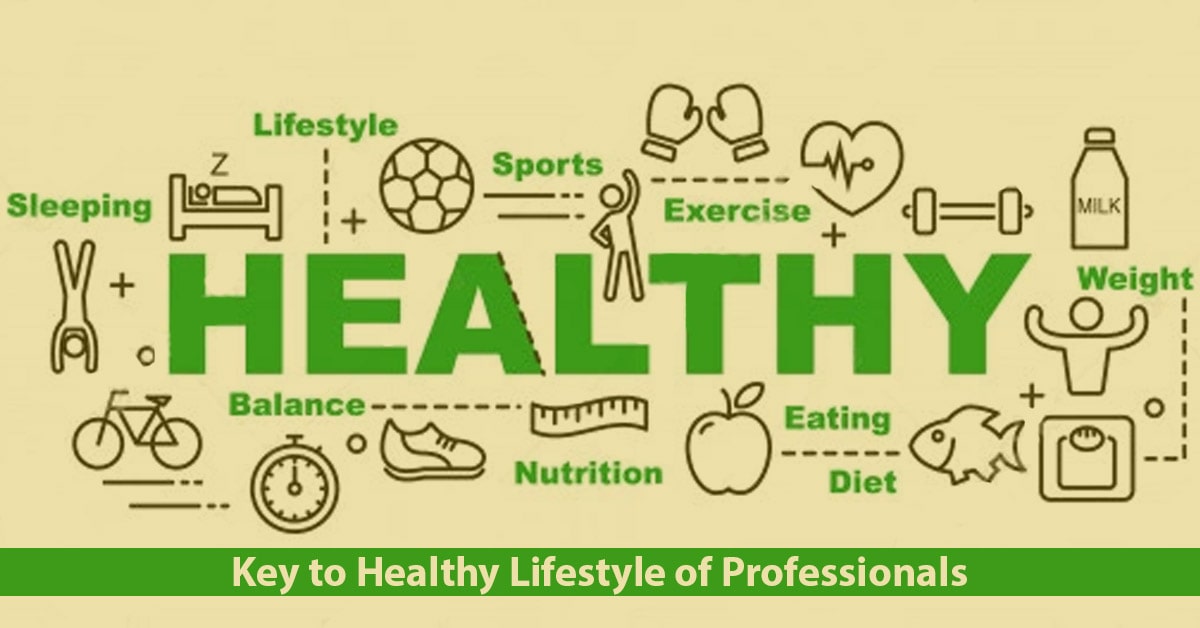
Supplements should not be seen as a substitute for a healthy lifestyle. Adequate sleep, a balanced diet rich in fruits and vegetables, regular physical activity, and proper hydration are the cornerstones of aging well.
Quality Matters
Not all supplements are created equal. The quality and source of ingredients can significantly impact their effectiveness. Look for reputable brands that provide transparency about their sourcing and manufacturing processes.
Potential Risks and Side Effects
As with any dietary change, there can be risks and side effects. Some supplements might interact with medications or have adverse effects if taken in large quantities. It is always advisable to consult with a healthcare provider to tailor a regimen that’s safe and effective for your specific needs.
Psychological Benefits
The placebo effect can never be understated. Sometimes, simply believing that a supplement will make you feel better can actually contribute to improved well-being. The psychological boost of incorporating new health strategies can be powerful.
Conclusion: A Thoughtful Approach to Anti-Aging
In the quest for the elusive fountain of youth, anti-aging supplements offer a tantalizing promise. While the scientific evidence is still evolving, many women have found personal benefits from using these products. Whether it’s through improved skin elasticity, increased energy, or just the peace of mind that comes with taking proactive steps for their health, the impact of these supplements can be both visible and subtle.
Ultimately, whether anti-aging supplements are a myth or reality may largely depend on individual experiences and expectations. While these supplements can play a part in a broader anti-aging strategy, they should be complemented by healthy habits and regular medical advice.
We encourage you, our readers, to share your own experiences and thoughts on anti-aging supplements. Have you tried any? What has worked for you, and what hasn’t? Let’s keep this conversation going and learn from one another as we strive for health and vitality at every age. After all, the true measure of youth lies not in the absence of years but in the presence of life and joy we bring to each day.

Daria Yarygina
Daria is dedicated to promoting healthy eating habits and evidence-based nutrition practices through her research and publications. She is a certified dietitian with a passion for helping individuals achieve their health goals.