Dr. Mercola Wild Alaskan Cod Liver Oil: Benefits and Usage
Name and Basic Overview
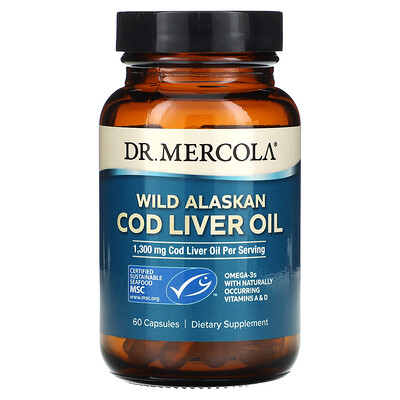
Dr. Mercola Wild Alaskan Cod Liver Oil is a dietary supplement providing 1,300 mg of cod liver oil per serving, with each capsule containing 650 mg. It is certified by the Marine Stewardship Council (MSC) for sustainable seafood practices.
Cod liver oil is derived from the liver of cod fish, primarily sourced from the North Atlantic. It is renowned for its high content of omega-3 fatty acids and naturally occurring vitamins A and D.
People commonly use cod liver oil for its potential benefits in supporting cardiovascular health, reducing inflammation, and enhancing immune function.
Historical Background / Traditional Use
Cod liver oil has a long history of use, particularly in Northern Europe, where it was traditionally consumed to prevent rickets and other vitamin D deficiency-related conditions.
Historically, it was also used in folk medicine to support joint health and overall vitality. Modern usage focuses more on its omega-3 content and its role in supporting heart and brain health.
Composition and Active Components
The primary active components of Dr. Mercola Wild Alaskan Cod Liver Oil include omega-3 fatty acids (EPA, DHA, and DPA), vitamins A and D, and naturally occurring pro-resolving mediators.
Omega-3 fatty acids, such as EPA and DHA, are essential for maintaining cardiovascular health, reducing inflammation, and supporting cognitive function. Vitamin A is crucial for vision, immune function, and skin health, while vitamin D is vital for bone health and immune regulation.
Pro-resolving mediators, including 14-HDHA, 17-HDHA, and 18-HEPE, are bioactive compounds that help resolve inflammation and promote tissue healing.
Research and Evidence Base
Numerous studies have demonstrated the benefits of omega-3 fatty acids in reducing the risk of cardiovascular diseases, improving lipid profiles, and exerting anti-inflammatory effects. A meta-analysis published in the Journal of the American College of Cardiology highlighted the role of omega-3s in reducing the incidence of coronary heart disease.
Research on vitamins A and D underscores their importance in maintaining immune function and bone health. A study in the American Journal of Clinical Nutrition emphasized the role of vitamin D in reducing the risk of osteoporosis and fractures.
While the evidence supporting the benefits of omega-3s and vitamins A and D is robust, the specific effects of pro-resolving mediators are still under investigation, with preliminary studies suggesting potential in managing chronic inflammatory conditions.
Potential Health Benefits
- Supports Heart Health: The omega-3 fatty acids, particularly EPA and DHA, are well-documented for their role in supporting cardiovascular health by reducing triglyceride levels and potentially lowering blood pressure.
- Promotes Brain Function: DHA is crucial for brain health, contributing to cognitive function and potentially reducing the risk of neurodegenerative diseases.
- Enhances Eye Health: Vitamin A is essential for maintaining good vision and may help prevent age-related macular degeneration.
- Boosts Immune System: Vitamin D plays a vital role in immune function, and adequate levels are associated with a reduced risk of infections.
- Anti-inflammatory Properties: Omega-3s and pro-resolving mediators may help reduce inflammation, which is beneficial for conditions like arthritis.
Safety, Side Effects, and Precautions
- Gastrointestinal Upset: Some individuals may experience mild gastrointestinal issues such as nausea or diarrhea.
- Allergic Reactions: Those with fish allergies should avoid this supplement.
- Vitamin A Toxicity: Excessive intake of vitamin A can lead to toxicity, particularly in pregnant women, which can cause birth defects.
- Interactions with Medications: Omega-3 supplements can interact with blood-thinning medications, so individuals on such medications should consult a healthcare provider.
Summary and Takeaway
Main Benefits: Supports heart, brain, and eye health; boosts immune function; anti-inflammatory properties.
Caveats: Potential for gastrointestinal upset and vitamin A toxicity; not suitable for those with fish allergies.
Potential Risks: Interaction with blood-thinning medications; caution advised for pregnant women.
Worth Trying?: This supplement is worth considering for individuals seeking to enhance their omega-3 intake, particularly for heart and brain health.
Rating Among Similar Supplements: 8/10. The product is sustainably sourced and provides a good balance of omega-3s and vitamins A and D.
Rating Based on Research: 9/10. Omega-3s and vitamins A and D are well-studied, with substantial evidence supporting their health benefits. However, the specific benefits of pro-resolving mediators require further research.

Wellmate AI
Your smart AI assistant for supplements and wellness. Trained on scientific research, it provides personalized recommendations based on your intake, health data, and global standards (WHO, FDA). Chat with AI, track supplements, and get expert-backed insights—all in one app. Download Wellmate