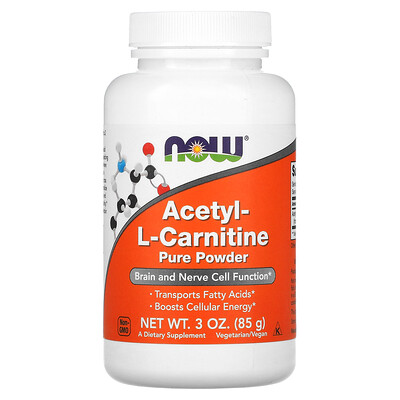
Acetyl-L-Carnitine: Benefits, Uses, and Safety
Name and Basic Overview
Acetyl-L-Carnitine (ALC) is a modified amino acid supplement known for its role in energy production and neurological health. It is naturally found in animal products like meat and fish, but it can also be synthesized in the laboratory for supplementation. People commonly seek ALC for its potential benefits in boosting cellular energy, supporting brain and nerve cell function, and aiding in fat metabolism.
Historical Background / Traditional Use
While L-Carnitine has been recognized for its role in energy metabolism for decades, Acetyl-L-Carnitine's specific use in supplements is more recent, focusing on its enhanced ability to cross the blood-brain barrier. Historically, carnitine was not used in traditional medicine, but its modern application is primarily in the context of supporting cognitive function and energy levels.
Composition and Active Components
The primary active component in this supplement is Acetyl-L-Carnitine, derived from Acetyl-L-Carnitine HCl. ALC facilitates the transport of fatty acids into the mitochondria, where they are converted into ATP, the energy currency of cells. This process is crucial for maintaining energy levels, especially in muscle and brain tissues. Additionally, ALC's ability to cross the blood-brain barrier allows it to support neurotransmitter activity and protect against oxidative stress by neutralizing free radicals.
Research and Evidence Base
Clinical studies have explored ALC's potential in supporting neurological health, with some evidence suggesting benefits in cognitive function, particularly in aging populations. For instance, research indicates that ALC may help improve memory and attention in older adults. A meta-analysis of studies on ALC has shown promising results in its ability to support mood and cognitive function, although more research is needed to fully understand its mechanisms and efficacy. While the evidence supporting ALC's role in energy metabolism is robust, its effects on neurological health are still being investigated, with preliminary findings suggesting potential benefits but requiring further validation through large-scale clinical trials.
Potential Health Benefits
- Supports Brain and Nerve Cell Function: Acetyl-L-Carnitine (ALC) is known for its ability to cross the blood-brain barrier, potentially aiding in cognitive function and neurological health. Some studies suggest it may help in conditions like mild cognitive impairment and age-related cognitive decline.
- Transports Fatty Acids: ALC plays a crucial role in transporting fatty acids into the mitochondria, where they are converted into ATP, the energy currency of cells. This process is vital for energy production, especially in muscle and brain tissues.
- Boosts Cellular Energy: By enhancing mitochondrial function, ALC may improve overall cellular energy levels, which can be beneficial for physical performance and reducing fatigue.
- Neutralizes Free Radicals: ALC has antioxidant properties that help neutralize free radicals, potentially reducing oxidative stress and supporting overall cellular health.
Safety, Side Effects, and Precautions
- Gastrointestinal Upset: Some users may experience mild gastrointestinal issues such as nausea or diarrhea.
- Headaches: There have been reports of headaches in some individuals taking ALC.
- Particular Health Conditions: Individuals with thyroid disorders or those on anticoagulant medications should consult a healthcare provider before use.
- Pregnant or Nursing Women: Safety in pregnant or nursing women has not been well established, so consultation with a healthcare provider is recommended.
Summary and Takeaway
Main Benefits: Supports cognitive function, enhances energy production, and provides antioxidant benefits.
Caveats: Potential for mild gastrointestinal upset and headaches; consult a healthcare provider if you have specific health conditions.
Potential Risks: Limited data on long-term use and effects in certain populations.
Worth Trying: May be beneficial for those seeking cognitive support and enhanced energy levels, particularly in older adults or those with high physical demands.
Rating Among Supplements: 8/10. ALC is well-regarded for its cognitive and energy-boosting properties, with a good safety profile.
Rating Based on Research: 7/10. While there is promising research, more large-scale, long-term studies are needed to fully understand its benefits and safety profile.

Wellmate AI
Your smart AI assistant for supplements and wellness. Trained on scientific research, it provides personalized recommendations based on your intake, health data, and global standards (WHO, FDA). Chat with AI, track supplements, and get expert-backed insights—all in one app. Download Wellmate