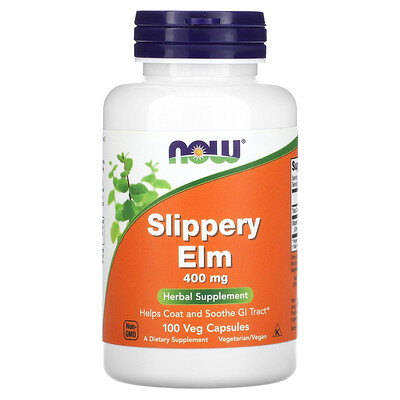
Slippery Elm: A Herbal Supplement for Digestive Health
Name and Basic Overview
Slippery Elm (Ulmus rubra) is a herbal supplement derived from the inner bark of the Slippery Elm tree, native to North America. It is primarily sought for its potential to soothe and coat the gastrointestinal (GI) tract, making it popular among those seeking relief from digestive discomfort. The supplement is available in various forms, including capsules, powders, and lozenges, and is often used by individuals following vegetarian or vegan diets due to its plant-based origin.
Historical Background / Traditional Use
Slippery Elm has a rich history of use among Native American tribes and early European settlers in North America. It was traditionally used as a survival food and for its medicinal properties. Historically, it was applied topically to wounds and taken internally to soothe sore throats and digestive issues. Modern usage continues to focus on its soothing properties for the digestive system, although it is now more commonly consumed in capsule form for convenience.
Composition and Active Components
The primary active component of Slippery Elm is mucilage, a gel-like substance that becomes slippery when mixed with water. Mucilage is believed to coat and soothe the mucous membranes of the GI tract, potentially providing relief from irritation and inflammation. Other components include tannins and various nutrients, which may contribute to its overall soothing effects.
Research and Evidence Base
Research on Slippery Elm is limited, with most evidence stemming from traditional use and anecdotal reports. Some small studies and clinical trials suggest that Slippery Elm may help alleviate symptoms of conditions like irritable bowel syndrome (IBS) and gastroesophageal reflux disease (GERD) by forming a protective barrier in the GI tract. However, the evidence is not robust, and more well-designed clinical trials are needed to confirm its efficacy and safety. Preclinical studies have shown promising results, indicating potential anti-inflammatory and antioxidant properties, which could guide future research into its broader health benefits.
Potential Health Benefits
- Supports Digestive Health: Slippery Elm is traditionally used to soothe the gastrointestinal (GI) tract. Its mucilage content forms a gel-like substance when mixed with water, which can coat and protect the lining of the stomach and intestines, potentially alleviating symptoms of conditions like gastritis or irritable bowel syndrome (IBS).
- Anti-inflammatory Properties: Some studies suggest that Slippery Elm may have anti-inflammatory effects, which could be beneficial for individuals with inflammatory bowel conditions.
- Throat and Respiratory Relief: The mucilage in Slippery Elm may also help soothe sore throats and coughs by coating the throat, providing temporary relief from irritation.
Safety, Side Effects, and Precautions
- Gastrointestinal Upset: While generally considered safe, some individuals may experience mild gastrointestinal upset, such as bloating or gas.
- Allergic Reactions: Although rare, allergic reactions to Slippery Elm can occur. Individuals with known allergies to elm trees should exercise caution.
- Pregnancy and Breastfeeding: There is limited research on the safety of Slippery Elm during pregnancy and breastfeeding. It is advisable for pregnant or nursing women to consult a healthcare provider before use.
- Medication Interactions: Slippery Elm may interfere with the absorption of certain medications due to its mucilage content. It is recommended to take it at least two hours before or after other medications.
Summary and Takeaway
Main Benefits: Supports digestive health, potential anti-inflammatory effects, and throat soothing properties.
Caveats: Possible mild gastrointestinal upset, rare allergic reactions, and potential interactions with medications.
Potential Risks: Limited research on safety during pregnancy and breastfeeding.
Worth Trying? Slippery Elm may be beneficial for individuals seeking natural support for digestive health or throat irritation. However, those with specific health conditions or on medication should consult a healthcare provider.
Rating Among Similar Supplements: 7/10. Slippery Elm is a well-regarded herbal supplement with a long history of traditional use, but its benefits are primarily anecdotal with limited clinical research.
Rating Based on Research: 5/10. While there is some promising research, more robust clinical trials are needed to fully validate its health claims.

Daria Yarygina
Daria is dedicated to promoting healthy eating habits and evidence-based nutrition practices through her research and publications. She is a certified dietitian with a passion for helping individuals achieve their health goals.