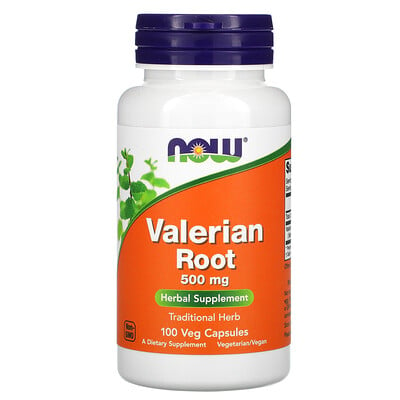
Valerian Root: A Traditional Remedy for Relaxation and Sleep
Name and Basic Overview
Valerian Root is a dietary supplement derived from the root of the Valeriana officinalis plant, commonly used for its potential calming effects. It is naturally sourced from the valerian plant, which is native to Europe and parts of Asia. People often seek valerian root for its purported benefits in promoting relaxation, improving sleep quality, and reducing anxiety.
Historical Background / Traditional Use
Valerian root has a long history of use in traditional medicine, dating back to ancient Greece and Rome, where it was used to treat insomnia and nervousness. In traditional European herbal medicine, it was often used as a sedative and muscle relaxant. Modern usage primarily focuses on its potential to aid sleep and reduce anxiety, aligning with its historical applications.
Composition and Active Components
The primary active components of valerian root include valerenic acid, isovaleric acid, and a variety of antioxidants. These compounds are believed to interact with gamma-aminobutyric acid (GABA) receptors in the brain, which may help to promote relaxation and reduce anxiety.
Research and Evidence Base
Several clinical trials have investigated valerian root's efficacy in improving sleep quality. A meta-analysis published in the "American Journal of Medicine" found that valerian may improve sleep latency and quality, although results are mixed and more research is needed. A study in "Phytomedicine" suggested that valerian root might have anxiolytic effects, but the evidence remains preliminary and further studies are required to confirm these findings. Overall, while some studies support valerian root's use for sleep and anxiety, the evidence is not yet robust, and more high-quality research is necessary to establish its efficacy conclusively.
Potential Health Benefits
Valerian root is traditionally used to support relaxation and improve sleep quality. It is often marketed for its potential to help with insomnia and anxiety. Some studies suggest valerian root may have mild sedative effects, potentially aiding in reducing the time it takes to fall asleep and improving sleep quality. It is also explored for its potential to alleviate stress and promote a sense of calmness, although more research is needed to confirm these effects.
Safety, Side Effects, and Precautions
Common side effects of valerian root may include gastrointestinal upset, headache, dizziness, or drowsiness. It is generally considered safe for short-term use, but long-term safety data is limited. Pregnant or breastfeeding women, children, and individuals with liver conditions should consult a healthcare provider before use. Valerian root may interact with sedatives, alcohol, and other medications that affect the central nervous system, so caution is advised.
Summary and Takeaway
Valerian root is a traditional herb used for its potential calming and sleep-enhancing properties. It may help with mild insomnia and anxiety, but effects can vary among individuals. Side effects are generally mild but can include drowsiness and gastrointestinal issues. Those with specific health conditions or on certain medications should seek medical advice before use.
- Rating among dietary supplements of the same type: 7/10. Valerian root is a popular choice for sleep support, but individual responses can vary, and more robust research is needed.
- Rating based on how well it has been studied: 6/10. While there is some evidence supporting its use, more high-quality studies are needed to fully understand its efficacy and safety profile.

Wellmate AI
Your smart AI assistant for supplements and wellness. Trained on scientific research, it provides personalized recommendations based on your intake, health data, and global standards (WHO, FDA). Chat with AI, track supplements, and get expert-backed insights—all in one app. Download Wellmate