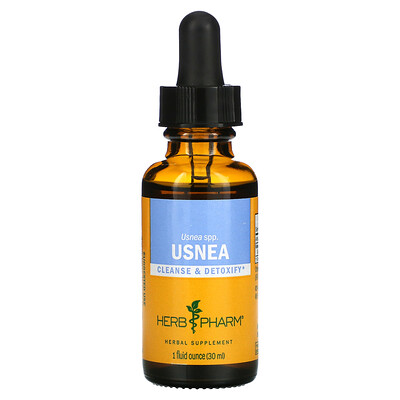
Understanding Usnea: Benefits, Uses, and Safety
Name and Basic Overview
Usnea, commonly known as "Old Man's Beard," is a type of lichen used in herbal supplements for its potential cleansing and detoxifying properties. It is naturally found growing on trees in forests across the world, particularly in temperate and boreal regions. People often seek Usnea for its purported benefits in supporting the immune system and promoting respiratory health.
Historical Background / Traditional Use
Usnea has been used historically in various traditional medicine systems, including European folk medicine and Native American practices. Traditionally, it was applied topically for wound care and taken internally for respiratory and urinary tract infections. Modern usage often focuses on its potential antimicrobial and immune-supportive properties, although these uses may differ from historical applications.
Composition and Active Components
The primary active components of Usnea include usnic acid, a compound believed to contribute to its antimicrobial properties. Usnic acid is thought to work by disrupting the energy production in bacterial cells, thereby inhibiting their growth. Other components include polysaccharides, which may support immune function, and various secondary metabolites that contribute to its overall bioactivity.
Research and Evidence Base
Research on Usnea is limited, with most studies focusing on its antimicrobial properties, particularly against bacteria and fungi. Some in vitro studies suggest that usnic acid has potential antibacterial effects, but clinical trials in humans are sparse. The evidence supporting Usnea's efficacy in cleansing and detoxifying is largely anecdotal, and more robust clinical research is needed to substantiate these claims. While preliminary findings are promising, the current evidence base is not sufficient to draw definitive conclusions about its health benefits.
Potential Health Benefits
- Cleanse & Detoxify: Usnea, a type of lichen, is often marketed for its potential detoxifying properties. It is believed to support the body's natural cleansing processes, although scientific evidence supporting these claims is limited.
- Antimicrobial Properties: Usnea has been traditionally used for its antimicrobial effects. Some studies suggest it may help combat certain bacteria and fungi, which could support immune health.
- Respiratory Support: Usnea is sometimes used in herbal medicine to support respiratory health, potentially helping with conditions like bronchitis or sore throats, though more research is needed to confirm these effects.
Safety, Side Effects, and Precautions
- Gastrointestinal Upset: Some individuals may experience mild gastrointestinal discomfort when using Usnea supplements.
- Allergic Reactions: As with any herbal supplement, there is a potential for allergic reactions. Those with known allergies to lichens should avoid this product.
- Pregnancy and Breastfeeding: There is insufficient data on the safety of Usnea during pregnancy and breastfeeding. It is advisable for these groups to consult a healthcare provider before use.
- Liver Health: There have been rare reports of liver toxicity associated with Usnea, so individuals with liver conditions should exercise caution and consult a healthcare professional.
Summary and Takeaway
Main Benefits: Usnea is marketed for its detoxifying and antimicrobial properties, with potential respiratory health benefits.
Caveats: Limited scientific evidence supports many of the health claims, and there are potential safety concerns, particularly regarding liver health.
Potential Risks: Possible gastrointestinal upset and allergic reactions; caution advised for pregnant or breastfeeding women and those with liver conditions.
Worth Trying? Usnea may be worth trying for those interested in herbal supplements with traditional uses for immune and respiratory support, but it should be approached with caution due to limited research and potential side effects.
Rating Among Similar Supplements: 6/10. Usnea offers some traditional benefits, but the lack of robust scientific evidence and potential safety concerns lower its rating compared to more thoroughly studied herbal supplements.
Rating Based on Research: 4/10. While there is some preliminary research on Usnea's antimicrobial properties, the overall body of evidence is limited, and more rigorous studies are needed to substantiate its health claims.

Wellmate AI
Your smart AI assistant for supplements and wellness. Trained on scientific research, it provides personalized recommendations based on your intake, health data, and global standards (WHO, FDA). Chat with AI, track supplements, and get expert-backed insights—all in one app. Download Wellmate