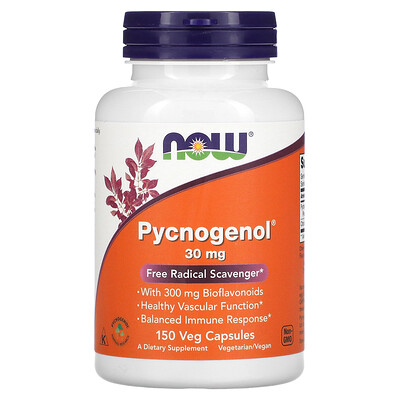
Understanding Pycnogenol: Benefits and Considerations
Name and Basic Overview
Pycnogenol is a dietary supplement derived from the bark of the French maritime pine tree (Pinus pinaster). It is known for its antioxidant properties, primarily sought for its potential to support vascular health, immune function, and combat oxidative stress.
Natural sources include the French maritime pine, and it is available in a synthetic form for supplementation. People commonly use Pycnogenol for its purported benefits in enhancing vascular function, supporting a balanced immune response, and acting as a free radical scavenger.
Historical Background / Traditional Use
Pycnogenol has its roots in traditional European herbal medicine, where extracts from pine bark have been used for centuries to treat various ailments. Historically, it was used for its anti-inflammatory and antioxidant properties, although modern usage focuses more on its potential cardiovascular and immune system benefits.
Composition and Active Components
The primary active components of Pycnogenol are proanthocyanidins, a class of polyphenols known for their potent antioxidant activity. These compounds work by neutralizing free radicals, thereby reducing oxidative stress and potentially supporting vascular health by improving endothelial function and reducing inflammation.
Research and Evidence Base
Several clinical trials and studies have investigated the effects of Pycnogenol on vascular health, with some evidence suggesting it may improve endothelial function and reduce symptoms of chronic venous insufficiency. Research also indicates potential benefits in managing blood pressure and improving circulation, although results can vary, and more robust, large-scale studies are needed to confirm these effects.
Preliminary studies suggest Pycnogenol may support immune function and reduce inflammation, but further research is required to establish these benefits conclusively. Overall, while there is promising evidence supporting the use of Pycnogenol for certain health benefits, more comprehensive studies are necessary to fully understand its efficacy and safety profile.
Potential Health Benefits
- Free Radical Scavenger: Pycnogenol® is renowned for its antioxidant properties, effectively neutralizing free radicals and reducing oxidative stress, which can contribute to chronic diseases and aging.
- Healthy Vascular Function: Research suggests that Pycnogenol® supports vascular health by enhancing endothelial function, improving blood flow, and reducing blood pressure, which may benefit cardiovascular health.
- Balanced Immune Response: The supplement is marketed to support a balanced immune response, potentially aiding in the body's defense against infections and inflammation.
- Bioflavonoid Synergy: The inclusion of 300 mg of bioflavonoids may enhance the antioxidant and anti-inflammatory effects of Pycnogenol®, contributing to overall health benefits.
Safety, Side Effects, and Precautions
- Gastrointestinal Upset: Some users may experience mild gastrointestinal issues, such as nausea or stomach discomfort.
- Allergic Reactions: Individuals allergic to pine bark or similar substances should avoid this supplement.
- Specific Populations: Pregnant or breastfeeding women, children, and those with specific health conditions should consult a healthcare provider before use.
- Drug Interactions: Pycnogenol® may interact with anticoagulant medications, potentially affecting blood clotting.
Summary and Takeaway
Main Benefits: Antioxidant protection, vascular health support, and potential immune system benefits.
Caveats: Possible gastrointestinal side effects and interactions with certain medications.
Potential Risks: Allergic reactions in sensitive individuals.
Worth Trying? Pycnogenol® may be beneficial for those seeking antioxidant support and improved vascular function, but consultation with a healthcare provider is recommended, especially for those on medication or with health conditions.
Rating Among Supplements: 8/10. Pycnogenol® is a well-regarded supplement with a strong antioxidant profile and cardiovascular benefits, but individual responses may vary.
Study Rating: 7/10. While there is promising research supporting its benefits, more large-scale, long-term studies are needed to fully establish its efficacy and safety profile.

Wellmate AI
Your smart AI assistant for supplements and wellness. Trained on scientific research, it provides personalized recommendations based on your intake, health data, and global standards (WHO, FDA). Chat with AI, track supplements, and get expert-backed insights—all in one app. Download Wellmate