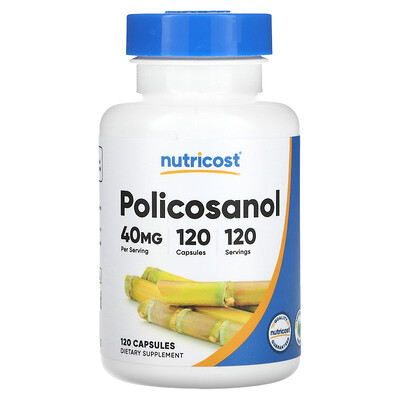
Understanding Policosanol: Benefits and Considerations
Name and Basic Overview
Policosanol is a dietary supplement primarily derived from sugar cane, though it can also be sourced from beeswax and other plant materials. It is a mixture of long-chain alcohols, with octacosanol being the most prominent. People often seek policosanol for its potential benefits in supporting cardiovascular health, particularly in managing cholesterol levels.
Historical Background / Traditional Use
Policosanol was first developed in Cuba in the 1990s, where it was initially used as a cholesterol-lowering agent. Its use has since spread globally, although its popularity varies by region. Unlike many supplements, policosanol does not have a long history in traditional medicine but has been primarily studied and utilized in modern clinical settings.
Composition and Active Components
The primary active component of policosanol is octacosanol, along with other long-chain alcohols such as triacontanol and hexacosanol. These compounds are believed to work by inhibiting cholesterol synthesis in the liver and enhancing the breakdown of low-density lipoprotein (LDL) cholesterol, potentially improving lipid profiles.
Research and Evidence Base
Several studies, particularly those conducted in Cuba, have suggested that policosanol may effectively lower LDL cholesterol and increase high-density lipoprotein (HDL) cholesterol. However, these findings have not been consistently replicated in studies conducted outside of Cuba, leading to some controversy regarding its efficacy. A meta-analysis of clinical trials indicates that while some studies show positive effects on cholesterol levels, others find no significant impact, suggesting that the evidence is mixed and further research is needed. Preclinical studies have explored additional benefits, such as antioxidant properties and potential neuroprotective effects, but these findings are preliminary and require more robust clinical validation.
Potential Health Benefits
Policosanol is often marketed for its potential to support cardiovascular health, particularly in managing cholesterol levels. It is claimed to help reduce LDL cholesterol and increase HDL cholesterol, which may contribute to overall heart health. Some studies suggest that policosanol may have antioxidant properties, which could help in reducing oxidative stress and inflammation. There are also claims that policosanol can improve exercise performance and energy levels, although these are less substantiated.
Safety, Side Effects, and Precautions
Policosanol is generally considered safe for most people when taken in appropriate doses. However, some individuals may experience mild side effects such as gastrointestinal upset, headaches, or dizziness. People with bleeding disorders or those taking anticoagulant or antiplatelet medications should exercise caution, as policosanol may affect blood clotting. Pregnant or breastfeeding women should consult a healthcare provider before using this supplement, as there is limited research on its safety in these populations.
Summary and Takeaway
Main Benefits: Potential support for cardiovascular health, possible antioxidant effects.
Caveats: Limited high-quality research; potential interactions with blood-thinning medications.
Potential Risks: Mild side effects; caution advised for certain health conditions and demographics.
Worth Trying? Policosanol may be worth considering for individuals looking to support heart health, but it is important to consult with a healthcare provider, especially if you have underlying health conditions or are on medication.
Rating Among Similar Supplements: 6/10. While it shows promise, the evidence is not as robust as for other heart health supplements like omega-3 fatty acids.
Rating Based on Research: 5/10. The research on policosanol is mixed, with some studies showing benefits and others showing no significant effects. More high-quality, large-scale studies are needed to confirm its efficacy.

Wellmate AI
Your smart AI assistant for supplements and wellness. Trained on scientific research, it provides personalized recommendations based on your intake, health data, and global standards (WHO, FDA). Chat with AI, track supplements, and get expert-backed insights—all in one app. Download Wellmate