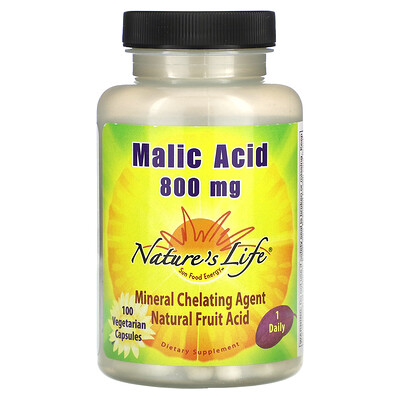
Understanding Malic Acid: Benefits and Usage
Name and Basic Overview
Malic Acid is a naturally occurring organic compound found in various fruits, particularly apples, and is known for its tart taste. It is often used as a dietary supplement for its potential health benefits. It is primarily sourced from fruits but can also be synthesized for supplement use. People commonly seek malic acid supplements for its potential role in energy production, muscle performance, and as a mineral chelating agent to enhance nutrient absorption.
Historical Background / Traditional Use
Malic acid was first isolated from apple juice in the 18th century. Its name is derived from the Latin word "malum," meaning apple. Historically, it has been used in food and beverage industries as a flavoring agent due to its sour taste. In modern times, its use has expanded into dietary supplements, particularly for its potential benefits in energy metabolism and muscle health.
Composition and Active Components
The primary active component in this supplement is malic acid, an alpha-hydroxy acid (AHA) that plays a crucial role in the Krebs cycle, a key energy-producing process in the body. Malic acid may help improve the absorption of minerals like calcium and magnesium by acting as a chelating agent, which can enhance their bioavailability. It is also involved in the detoxification process and may support muscle function and reduce muscle fatigue.
Research and Evidence Base
Research on malic acid has shown its involvement in energy production, as it is a critical component of the Krebs cycle, which generates ATP, the energy currency of cells. Some studies suggest that malic acid, in combination with magnesium, may help alleviate symptoms of fibromyalgia, such as muscle pain and fatigue, although more robust clinical trials are needed to confirm these effects. Preliminary evidence indicates that malic acid may improve exercise performance and recovery by reducing muscle soreness, but further research is required to establish these benefits conclusively. Overall, while there is some promising evidence regarding the benefits of malic acid, more comprehensive studies are necessary to fully understand its efficacy and safety as a dietary supplement.
Potential Health Benefits
Malic Acid is often marketed for its role in energy production, as it is a key component of the Krebs cycle, which is crucial for converting food into energy. It is claimed to support muscle performance and reduce muscle fatigue, potentially benefiting athletes or those with chronic fatigue syndrome. Malic Acid may aid in the absorption of minerals like calcium and magnesium, which are essential for bone health and muscle function. Some suggest it could help improve skin health due to its natural fruit acid properties, promoting exfoliation and skin renewal.
Safety, Side Effects, and Precautions
Generally considered safe when consumed in typical dietary amounts, but high doses may cause gastrointestinal upset, including bloating or diarrhea. Individuals with kidney issues should exercise caution, as excessive intake of acids can affect kidney function. Pregnant or breastfeeding women should consult a healthcare provider before use, as safety data is limited. Those with allergies to fruit acids should be cautious and monitor for any adverse reactions.
Summary and Takeaway
Malic Acid supports energy production and may enhance mineral absorption. Potential benefits for muscle performance and skin health. Generally safe, but high doses can cause gastrointestinal issues. Suitable for vegetarians and those looking to support energy metabolism. Rated 7/10 among dietary supplements for its potential benefits and safety profile. Rated 6/10 for how well it has been studied, as more research is needed to fully substantiate all health claims.

Wellmate AI
Your smart AI assistant for supplements and wellness. Trained on scientific research, it provides personalized recommendations based on your intake, health data, and global standards (WHO, FDA). Chat with AI, track supplements, and get expert-backed insights—all in one app. Download Wellmate