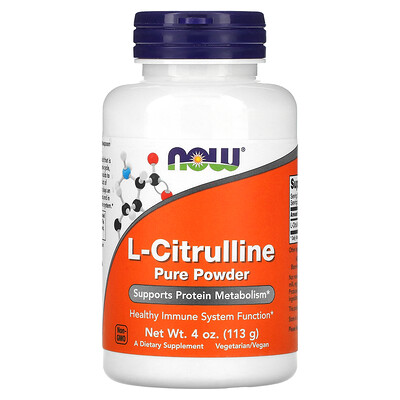
Understanding L-Citrulline: Benefits and Considerations
Name and Basic Overview
L-Citrulline is a non-essential amino acid that plays a crucial role in the urea cycle, helping to eliminate ammonia from the body, a byproduct of protein metabolism. It is naturally found in foods like watermelon, cucumbers, and pumpkins, but can also be synthesized for supplementation. People often seek L-Citrulline for its potential benefits in enhancing exercise performance, supporting protein metabolism, and maintaining a healthy immune system.
Historical Background / Traditional Use
L-Citrulline was first isolated from watermelon, which is reflected in its name derived from "Citrullus," the Latin word for watermelon. While not traditionally used in ancient medicine, its modern applications focus on sports nutrition and cardiovascular health, differing from historical uses of its natural sources.
Composition and Active Components
The primary active component in this supplement is L-Citrulline itself, an amino acid that is converted into L-arginine and nitric oxide in the body. This conversion is significant because nitric oxide is a vasodilator, which means it helps to widen blood vessels, potentially improving blood flow and reducing blood pressure. L-Citrulline also supports the immune system and aids in the healing process by promoting the removal of ammonia and other toxins from the body.
Research and Evidence Base
Several studies have investigated the effects of L-Citrulline on exercise performance and cardiovascular health. A meta-analysis published in the "Journal of the International Society of Sports Nutrition" suggests that L-Citrulline supplementation can enhance athletic performance by increasing oxygen uptake and reducing muscle soreness. Research in "Nutrients" indicates that L-Citrulline may improve endothelial function and reduce blood pressure, particularly in individuals with prehypertension. While evidence supports its role in exercise and cardiovascular health, more research is needed to fully understand its impact on immune function and protein metabolism. Current evidence is promising but still considered preliminary, warranting further clinical trials to establish more definitive conclusions.
Potential Health Benefits
- Supports Protein Metabolism: L-Citrulline is known to play a role in the urea cycle, which helps in the removal of ammonia, a byproduct of protein metabolism. This can potentially enhance protein synthesis and muscle recovery.
- Healthy Immune System Function: Some studies suggest that L-Citrulline may support immune function by promoting nitric oxide production, which can enhance blood flow and nutrient delivery to immune cells.
- Exercise Performance: L-Citrulline is often marketed for its potential to improve exercise performance and reduce muscle soreness by increasing nitric oxide levels, which can enhance blood flow and oxygen delivery to muscles.
- Cardiovascular Health: There is promising research indicating that L-Citrulline may help improve cardiovascular health by supporting healthy blood pressure levels and improving endothelial function.
Safety, Side Effects, and Precautions
- Gastrointestinal Upset: Some individuals may experience mild gastrointestinal discomfort, such as bloating or diarrhea, especially at higher doses.
- Allergic Reactions: Although rare, some people may have allergic reactions to amino acid supplements.
- Specific Populations: Pregnant or breastfeeding women, children, and individuals with specific health conditions should consult a healthcare provider before using L-Citrulline supplements.
- Drug Interactions: Those taking medications for blood pressure or erectile dysfunction should be cautious, as L-Citrulline can affect nitric oxide levels and blood flow.
Summary and Takeaway
Main Benefits: Supports protein metabolism, may enhance exercise performance, and potentially benefits cardiovascular health.
Caveats: Limited evidence for some claims; potential for gastrointestinal upset.
Potential Risks: Mild side effects; consult a healthcare provider if pregnant, breastfeeding, or on medication.
Worth Trying? L-Citrulline may be beneficial for athletes or those looking to support cardiovascular health, but it's important to consider individual health conditions and consult with a healthcare provider.
Rating Among Supplements: 7/10. L-Citrulline is a well-regarded supplement for specific health benefits, but its effects can vary among individuals.
Rating Based on Research: 6/10. While there is some promising research, more large-scale studies are needed to fully understand its benefits and safety profile.

Daria Yarygina
Daria is dedicated to promoting healthy eating habits and evidence-based nutrition practices through her research and publications. She is a certified dietitian with a passion for helping individuals achieve their health goals.