Understanding L-Carnitine: Benefits, Uses, and Safety
Name and Basic Overview
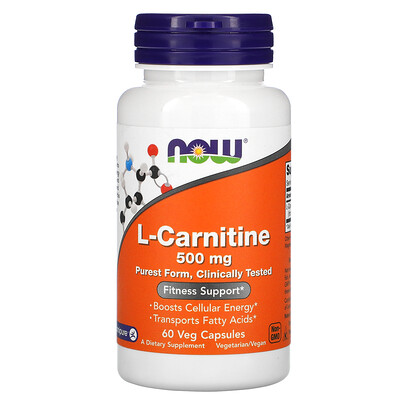
L-Carnitine is a non-essential amino acid derivative that plays a crucial role in energy production by transporting fatty acids into the mitochondria, where they are oxidized to produce energy. It is naturally found in red meat and other animal products, but can also be synthesized in the body from the amino acids lysine and methionine. People often seek L-Carnitine supplements for fitness support, to boost cellular energy, and to aid in fat metabolism.
Historical Background / Traditional Use
L-Carnitine was first isolated from meat extracts in the early 20th century. While not traditionally used in ancient medicine, its role in energy metabolism has made it a popular supplement in modern health and fitness circles, particularly among athletes and those looking to enhance physical performance and recovery.
Composition and Active Components
The active component in this supplement is L-Carnitine, specifically in the form of L-Carnitine Tartrate, which is known for its high bioavailability. L-Carnitine facilitates the transport of long-chain fatty acids into the mitochondria, where they are converted into energy, thus supporting cellular energy production and potentially enhancing physical performance.
Research and Evidence Base
Clinical trials have shown that L-Carnitine supplementation can improve exercise performance, particularly in endurance activities, by enhancing fatty acid oxidation and reducing muscle glycogen depletion. Some studies suggest potential benefits in weight management, although evidence is mixed and further research is needed to confirm these effects. L-Carnitine has also been studied for its role in cardiovascular health, with some evidence indicating it may improve heart function and reduce symptoms in individuals with heart disease. Overall, while there is promising evidence supporting the use of L-Carnitine for energy metabolism and exercise performance, more robust and large-scale studies are needed to fully understand its benefits and optimal usage.
Potential Health Benefits
- Supports Weight Management: L-Carnitine is often marketed for its role in transporting fatty acids into the mitochondria, where they can be oxidized for energy. This process is crucial for fat metabolism and may support weight management efforts, especially when combined with exercise.
- Boosts Cellular Energy: By facilitating the conversion of fat into energy, L-Carnitine may enhance physical performance and reduce fatigue, making it popular among athletes and fitness enthusiasts.
- Heart Health: Some studies suggest that L-Carnitine supplementation may benefit heart health by improving cardiac function and reducing symptoms in individuals with heart conditions.
- Cognitive Function: Emerging research indicates potential benefits for cognitive health, possibly due to its role in energy production and antioxidant properties.
Safety, Side Effects, and Precautions
- Gastrointestinal Upset: Some users may experience mild side effects such as nausea, vomiting, abdominal cramps, or diarrhea.
- Fishy Odor: A rare side effect is a fishy body odor, which can occur due to the metabolism of L-Carnitine.
- Specific Populations: Pregnant or breastfeeding women, children, and individuals with pre-existing medical conditions should consult a healthcare provider before use.
- Allergies: Although rare, individuals with allergies to any of the supplement's components should avoid use.
Summary and Takeaway
Main Benefits: Supports fat metabolism, boosts energy, potential heart and cognitive health benefits.
Caveats: Limited evidence for some claims, potential mild side effects.
Potential Risks: Gastrointestinal issues, rare fishy odor, consult healthcare provider if pregnant or with pre-existing conditions.
Worth Trying? L-Carnitine may be beneficial for those looking to enhance energy levels and support weight management, particularly active individuals or those with specific dietary restrictions.
Rating Among Supplements: 7/10. L-Carnitine is a well-regarded supplement with a solid reputation for supporting energy metabolism, though its effectiveness can vary based on individual factors.
Study Rating: 6/10. While there is a reasonable amount of research on L-Carnitine, more high-quality, large-scale studies are needed to fully substantiate all health claims.

Wellmate AI
Your smart AI assistant for supplements and wellness. Trained on scientific research, it provides personalized recommendations based on your intake, health data, and global standards (WHO, FDA). Chat with AI, track supplements, and get expert-backed insights—all in one app. Download Wellmate