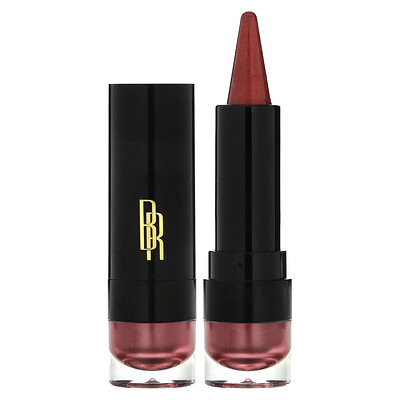
Understanding Cosmetic Products: Usage and Benefits
Name and Basic Overview
The product in question is a cosmetic item, not a dietary supplement. As such, it is intended for external use rather than ingestion. Cosmetic products are typically used to enhance or alter the appearance of the skin, hair, or nails.
Historical Background / Traditional Use
Cosmetic products have been used for centuries across various cultures for beautification and skincare purposes. Historically, natural ingredients such as plant extracts, oils, and minerals were commonly used in cosmetics. Over time, the cosmetic industry has evolved to include a wide range of products with synthetic and natural components.
Composition and Active Components
Cosmetic items often contain a blend of active and inactive ingredients. Active components may include vitamins, antioxidants, and other compounds designed to improve skin texture, tone, or hydration. Inactive ingredients typically serve as carriers or preservatives to enhance the product's stability and application.
Research and Evidence Base
Research on cosmetic products focuses on their efficacy and safety for topical use. Studies may evaluate the impact of specific ingredients on skin health, such as their ability to reduce wrinkles, improve hydration, or protect against environmental damage. The evidence base for cosmetics is generally less rigorous than that for dietary supplements, as cosmetics are not intended to affect the body's structure or function.
Potential Health Benefits
While cosmetics are not designed to provide health benefits in the same way dietary supplements do, they can contribute to improved skin appearance and self-esteem. Some products may offer additional benefits, such as sun protection or anti-aging effects, depending on their formulation.
Safety, Side Effects, and Precautions
Cosmetic products are generally safe for use when applied as directed. However, some individuals may experience allergic reactions or skin irritation. It is important to perform a patch test before using a new product and to discontinue use if any adverse reactions occur. Consumers should also be aware of the product's expiration date and storage instructions to ensure its safety and effectiveness.
Summary and Takeaway
In summary, the product discussed is a cosmetic item intended for external use, not a dietary supplement. While cosmetics can enhance appearance and provide certain skin benefits, they do not offer the same health benefits as dietary supplements. Users should be mindful of potential skin reactions and follow usage instructions to ensure safe application.

Wellmate AI
Your smart AI assistant for supplements and wellness. Trained on scientific research, it provides personalized recommendations based on your intake, health data, and global standards (WHO, FDA). Chat with AI, track supplements, and get expert-backed insights—all in one app. Download Wellmate