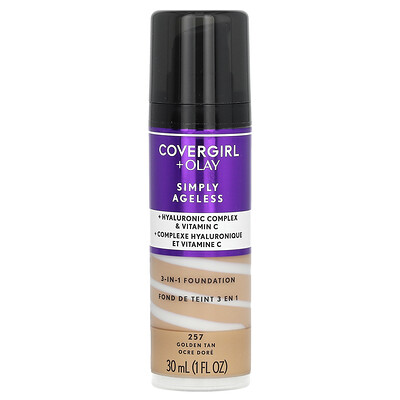
Understanding Cosmetic Foundations
Name and Basic Overview
The product in question is a cosmetic foundation, which is primarily used for enhancing facial appearance by providing an even skin tone and covering imperfections. It is not a dietary supplement and is not intended for ingestion or health benefits related to nutrition.
Historical Background / Traditional Use
Cosmetic foundations have been used for centuries, with origins tracing back to ancient civilizations such as Egypt and Greece. Historically, they were made from natural ingredients like ochre and clay. Over time, formulations have evolved to include a variety of ingredients to improve texture, coverage, and skin compatibility.
Composition and Active Components
Modern cosmetic foundations typically contain a blend of pigments, oils, and emollients. Key components may include:
- Pigments: Provide color and coverage.
- Emollients: Help in smooth application and hydration.
- Preservatives: Ensure product longevity and safety.
- SPF: Some foundations include sun protection factors to shield skin from UV rays.
Research and Evidence Base
Research on cosmetic foundations primarily focuses on dermatological safety, efficacy in coverage, and consumer satisfaction. Studies often evaluate the non-comedogenic properties, hypoallergenic formulations, and the ability to match diverse skin tones.
Potential Health Benefits
While cosmetic foundations are not designed for health benefits, they can offer some skin protection benefits, such as:
- Sun Protection: Foundations with SPF can provide a layer of protection against UV radiation.
- Barrier Function: They can act as a barrier against environmental pollutants.
Safety, Side Effects, and Precautions
When used as directed, cosmetic foundations are generally safe. However, potential side effects may include:
- Allergic Reactions: Some individuals may experience skin irritation or allergic reactions.
- Acne: Non-comedogenic formulations are recommended for acne-prone skin to prevent breakouts.
It is important to patch-test new products and choose formulations suitable for one's skin type.
Summary and Takeaway
Cosmetic foundations are a staple in beauty routines, offering aesthetic benefits and some protective properties. They are not dietary supplements and should not be ingested. Users should select products that align with their skin type and preferences, ensuring safe and effective use.

Wellmate AI
Your smart AI assistant for supplements and wellness. Trained on scientific research, it provides personalized recommendations based on your intake, health data, and global standards (WHO, FDA). Chat with AI, track supplements, and get expert-backed insights—all in one app. Download Wellmate