Understanding Benfotiamine: Benefits and Usage
Name and Basic Overview
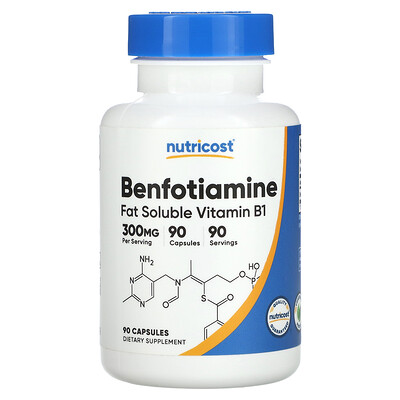
Benfotiamine is a fat-soluble derivative of vitamin B1 (thiamine), designed to enhance absorption and bioavailability compared to its water-soluble counterpart. Unlike natural thiamine, benfotiamine is synthetically formulated to improve its efficacy in the body. It is primarily sought for its potential benefits in managing diabetic neuropathy and cognitive disorders like Alzheimer's disease.
Historical Background / Traditional Use
Thiamine, the precursor to benfotiamine, has been recognized for its essential role in energy metabolism and nerve function since its discovery in the early 20th century. While traditional uses of thiamine focused on preventing deficiency-related conditions like beriberi, benfotiamine's modern application is more targeted towards specific neuropathic and neurodegenerative conditions.
Composition and Active Components
The active component in this supplement is benfotiamine, a thiamine derivative that is fat-soluble, allowing for better cellular uptake. Once absorbed, benfotiamine is converted into thiamine pyrophosphate, a coenzyme crucial for glucose metabolism and the prevention of advanced glycation end-products (AGEs), which are implicated in diabetic complications and aging.
Research and Evidence Base
Clinical trials have shown that benfotiamine may help alleviate symptoms of diabetic neuropathy, such as nerve pain and loss of sensation, by reducing oxidative stress and inflammation. Some studies suggest potential cognitive benefits, although evidence for its efficacy in Alzheimer's disease remains preliminary and requires further investigation. Overall, while the evidence supporting benfotiamine's use in diabetic neuropathy is relatively robust, its role in cognitive health is still under exploration, necessitating more comprehensive research to confirm these benefits.
Potential Health Benefits
- Supports Nerve Health: Benfotiamine is often highlighted for its potential benefits in managing diabetic neuropathy, a condition characterized by nerve damage due to high blood sugar levels. It may help alleviate symptoms such as nerve pain, burning sensations, and coordination issues.
- Cognitive Support: Some studies suggest that benfotiamine might have a role in supporting cognitive function, potentially benefiting conditions like Alzheimer's disease, although more research is needed to confirm these effects.
- Enhanced Absorption: As a fat-soluble form of vitamin B1, benfotiamine is designed to be more readily absorbed by the body compared to water-soluble thiamine, potentially leading to more effective results.
Safety, Side Effects, and Precautions
- General Tolerance: Benfotiamine is generally well-tolerated, but some individuals may experience mild side effects such as gastrointestinal upset or skin reactions.
- Specific Populations: Pregnant or breastfeeding women should consult a healthcare provider before use. Individuals with known allergies to thiamine or its derivatives should exercise caution.
- Drug Interactions: There are no widely reported interactions, but it's advisable to consult with a healthcare professional if you are taking other medications or have underlying health conditions.
Summary and Takeaway
Main Benefits: May support nerve health and cognitive function; enhanced absorption compared to standard thiamine.
Caveats: Limited research on long-term effects and efficacy in cognitive support.
Potential Risks: Generally safe with minimal side effects; consult a healthcare provider if pregnant, breastfeeding, or on medication.
Rating Among Supplements: 7/10. Benfotiamine is a promising supplement for nerve health, particularly in diabetic neuropathy, but its benefits in other areas like cognitive support require more evidence.
Rating Based on Research: 6/10. While there is some research supporting its use in diabetic neuropathy, more comprehensive studies are needed to fully understand its efficacy and safety profile across different health conditions.

Wellmate AI
Your smart AI assistant for supplements and wellness. Trained on scientific research, it provides personalized recommendations based on your intake, health data, and global standards (WHO, FDA). Chat with AI, track supplements, and get expert-backed insights—all in one app. Download Wellmate