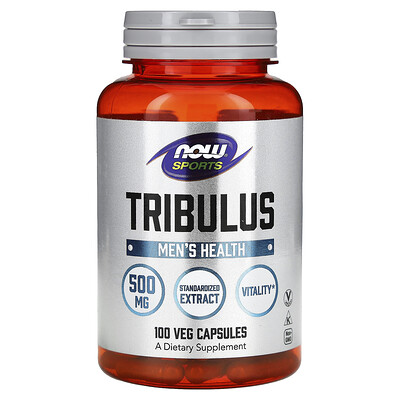
Tribulus Terrestris: A Comprehensive Overview
Name and Basic Overview
Tribulus terrestris is a plant-based dietary supplement commonly used to enhance vitality and support male reproductive health. It is often sought for its potential benefits in boosting energy, improving athletic performance, and supporting hormonal balance.
The supplement is derived from the fruit and aerial parts of the Tribulus plant, standardized to contain a minimum of 45% saponins, which are believed to be the active components.
It is marketed as vegan, kosher, non-GMO, and adheres to GMP quality standards, making it appealing to a wide range of consumers.
Historical Background / Traditional Use
Tribulus terrestris has a long history of use in traditional medicine systems across ancient Greece, India, and Africa. It was traditionally employed to enhance vitality and virility, often used as a tonic for improving physical strength and stamina.
In modern times, its usage has expanded to include support for athletic performance and male reproductive health, reflecting a shift from its traditional applications to more specific health-related goals.
Composition and Active Components
The primary active components of Tribulus terrestris are saponins, particularly protodioscin, which are thought to contribute to its health benefits.
Saponins are believed to work by supporting the body's free radical defense systems and potentially influencing endocrine function, which may help in maintaining hormonal balance and promoting male reproductive health.
Research and Evidence Base
Research on Tribulus terrestris is mixed, with some studies suggesting potential benefits in enhancing athletic performance and supporting male reproductive health, while others find limited or no significant effects.
A few clinical trials have indicated that Tribulus may help improve libido and support testosterone levels, although these findings are not universally supported and more robust, large-scale studies are needed to confirm these effects.
Preliminary studies suggest that Tribulus may have antioxidant properties, which could contribute to its role in supporting the body's defense against oxidative stress.
Overall, while there is some evidence supporting the use of Tribulus terrestris for specific health benefits, the current evidence base is considered preliminary, and further research is necessary to establish its efficacy and safety conclusively.
Potential Health Benefits
- Supports Male Reproductive Health: Tribulus terrestris is traditionally used to enhance male vitality and virility. Some studies suggest it may support testosterone levels, although evidence is mixed.
- Promotes Endocrine Function: Preliminary research indicates potential benefits for endocrine health, possibly influencing hormone regulation.
- Antioxidant Properties: Tribulus may bolster the body's free radical defense systems, contributing to overall cellular health.
- Enhances Vitality: Historically, Tribulus has been used to boost energy and vitality, which may be beneficial for athletic performance.
Safety, Side Effects, and Precautions
- Gastrointestinal Upset: Some users may experience mild digestive issues, such as stomach cramps or diarrhea.
- Hormonal Effects: Due to its potential impact on hormone levels, individuals with hormone-sensitive conditions should exercise caution.
- Pregnancy and Breastfeeding: Not recommended for pregnant or breastfeeding women due to insufficient safety data.
- Allergic Reactions: Rare, but possible; individuals with known allergies to Tribulus should avoid use.
Summary and Takeaway
Main Benefits: May support male reproductive health, enhance vitality, and provide antioxidant benefits.
Caveats: Mixed evidence on testosterone support; potential gastrointestinal side effects.
Potential Risks: Hormonal effects warrant caution for certain individuals; not suitable for pregnant or breastfeeding women.
Worth Trying?: May be beneficial for men seeking to support reproductive health and vitality, but should be approached with caution due to mixed evidence and potential side effects.
Rating Among Similar Supplements: 6/10. While it has traditional use and some promising research, the evidence is not robust enough to strongly support all claims.
Rating Based on Research: 5/10. The research is preliminary and somewhat inconsistent, necessitating further studies to confirm its efficacy and safety.

Wellmate AI
Your smart AI assistant for supplements and wellness. Trained on scientific research, it provides personalized recommendations based on your intake, health data, and global standards (WHO, FDA). Chat with AI, track supplements, and get expert-backed insights—all in one app. Download Wellmate