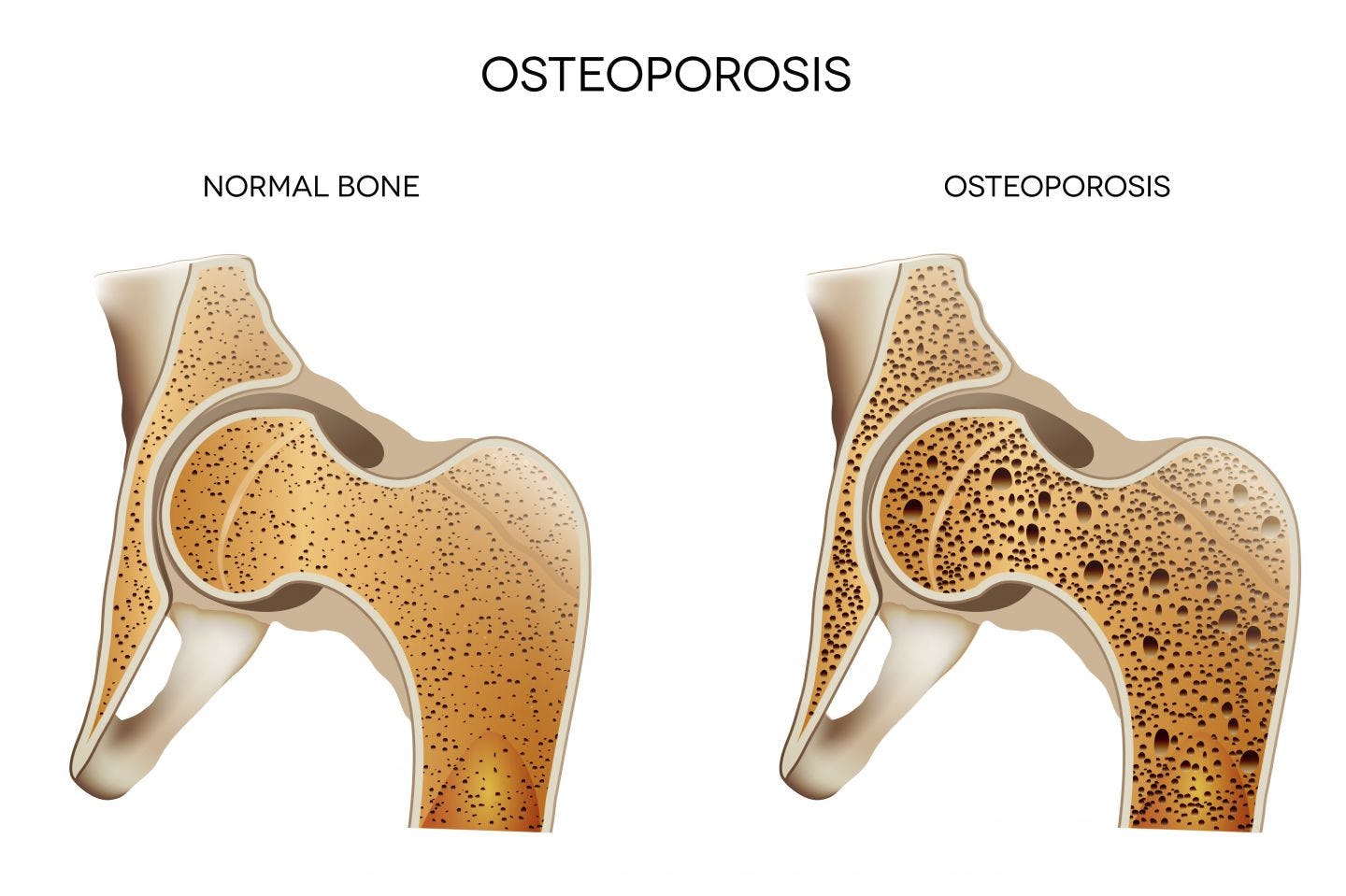
The One Mineral That Can Slash Your Risk of Osteoporosis After Menopause
As we age, our bones naturally become more brittle and susceptible to fractures, especially post-menopause. For women, the risk of osteoporosis significantly increases during this stage of life. But what if there was a simple mineral that could drastically reduce this risk? Introducing calcium, the unsung hero for bone health. This article will delve into the importance of calcium, how it benefits post-menopausal women, and practical ways to integrate it into your daily routine without too much hassle.
Why Calcium Matters: Calcium is essential for maintaining strong bones and teeth. Post-menopause, women experience a decline in estrogen levels, which is closely linked to a decrease in bone density. Adequate calcium intake can counteract this effect, making it a crucial component of a healthy diet.
Recommended Daily Intake: For post-menopausal women, the recommended daily intake of calcium is about 1,200 milligrams. This can be achieved through a combination of dietary sources and supplements if necessary.
Sources of Calcium:
- Dairy Products: A cup of milk contains approximately 300 milligrams of calcium.
- Leafy Greens: Kale, broccoli, and spinach are excellent plant-based sources.
- Fortified Foods: Many cereals and plant-based milks are fortified with calcium.
- Nuts and Seeds: Almonds and chia seeds pack a significant calcium punch.
- Fish: Canned salmon and sardines with bones can provide a hefty dose of calcium.
- Vegetables: Broccoli, bok choy, and collard greens are excellent options.
- Nutritional Powerhouses: Soy products, nuts, and seeds like sesame and chia.
Overcoming Common Barriers:
Many women worry that meeting their calcium needs requires significant dietary changes. However, small adjustments can make a big difference without overwhelming your daily routine.
Calcium Supplementation:
If you're concerned about not getting enough calcium through food alone, consider high-quality supplements. Consult with your healthcare provider to choose the right one for you.
Simple Ways to Boost Calcium Intake:
- Smoothie Add-ins: Add a handful of spinach or a tablespoon of chia seeds to your morning smoothie.
- Snacks: Keep calcium-rich snacks like yogurt, cheese, or almonds handy for quick snacks.
- Breakfast Boosters: Start your day with fortified cereals or a smoothie packed with leafy greens and a splash of fortified milk.
- Cooking with Calcium: Opt for recipes that include calcium-rich ingredients, such as baked salmon or a hearty spinach salad.
Tackling Misconceptions:
There's a myth that only dairy products can provide adequate calcium. In fact, many plant-based options and fortified foods can meet your needs efficiently.
Conclusion: Incorporating calcium into your diet need not be a complex task. By understanding its importance and making small, manageable changes, you can greatly reduce your risk of osteoporosis. Start today by incorporating more calcium-rich foods into your routine, and consult with your healthcare provider about the right strategies for you.
Additional Resources:
- National Osteoporosis Foundation
- Easy Calcium-Rich Recipes
- Calcium Supplements Guide
- National Institutes of Health - Calcium Supplements
- Online Calcium Intake Calculator
- Bone Health Lifestyle Tips

Daria Yarygina
Daria is dedicated to promoting healthy eating habits and evidence-based nutrition practices through her research and publications. She is a certified dietitian with a passion for helping individuals achieve their health goals.