The Heart of the Matter: Supplements for Cardiovascular Wellness
Heart health is a top priority for many, especially as we age. Cardiovascular disease remains the leading cause of death for women in the United States, making it crucial to adopt preventative measures. Diet, exercise, and stress management are all well-known pillars of heart health. However, there’s another tool in our arsenal that often goes overlooked: nutritional supplements.
In this article, we delve into the world of supplements that support heart health, offering insights from cardiologists and nutritionists. We’ll explore the efficacy and safety of these supplements, helping you make informed decisions about your cardiovascular wellness.
Omega-3 Fatty Acids: The Heart's Best Friend
Omega-3 fatty acids are among the most well-researched supplements for heart health. These essential fats, commonly found in fish oil, have been shown to reduce inflammation, decrease triglyceride levels, and lower the risk of arrhythmias.
Dr. Sarah Thompson, a cardiologist at Harvard Medical School, explains, "Omega-3 fatty acids help maintain the flexibility of the arteries and reduce the build-up of plaque, which can lead to heart attacks and strokes." She recommends a daily intake of 1,000 mg of EPA and DHA, the two main types of omega-3s.
For those who prefer plant-based options, flaxseed oil and chia seeds are excellent alternatives. However, it’s worth noting that the omega-3 from these sources is alpha-linolenic acid (ALA), which the body must convert to EPA and DHA—a process that is not very efficient. As such, Dr. Thompson advises consulting with a healthcare provider to determine the most suitable and effective source of omega-3s.
Coenzyme Q10: Energizing the Heart
Coenzyme Q10 (CoQ10) is a naturally occurring antioxidant in the body, integral to energy production in cells. Its levels decrease with age, and studies have linked low CoQ10 levels to heart disease.
"CoQ10 acts like a spark plug for your heart," says Dr. Mark Evans, a nutritionist and author of several books on heart health. "It helps your heart produce energy and reduces oxidative stress, which can damage the walls of your arteries."
Clinical trials suggest that CoQ10 supplementation can improve symptoms of heart failure and reduce blood pressure. The standard dosage ranges from 100 to 200 mg per day. However, CoQ10 can interact with certain medications, such as blood thinners, so it's important to get professional advice before starting a supplement regime.
Magnesium: The Unsung Hero
Magnesium is crucial for over 300 biochemical reactions in the body, including maintaining a steady heartbeat. Many Americans do not get the recommended daily amount of magnesium from their diets alone, making supplementation beneficial.
According to Dr. Jane Williams, a registered dietitian, "Magnesium helps to regulate blood pressure, blood sugar levels, and muscle and nerve function, all of which are essential for heart health." She recommends a daily intake of 310-320 mg for women over 40.
Foods rich in magnesium include leafy greens, nuts, seeds, and whole grains. For those considering supplements, magnesium citrate and magnesium glycinate are generally well-absorbed forms. However, high doses can cause digestive issues, so it’s best to start with a lower dose and gradually increase it.
Fiber Supplements: A Heart-Healthy Aid
Dietary fiber is well-known for its benefits in digestive health, but it also plays a significant role in heart wellness. Soluble fiber, found in foods like oats and legumes, can lower LDL cholesterol levels—often referred to as "bad" cholesterol.
"Psyllium husk, a fiber supplement, can be particularly effective in lowering cholesterol and improving blood sugar control," says Dr. Emily Davis, a cardiologist at the Mayo Clinic. Consuming 5-10 grams of soluble fiber per day can result in a modest reduction in LDL cholesterol.
Dr. Davis suggests starting with a smaller amount to allow your digestive system to adjust, as increasing fiber intake too quickly can lead to bloating and gas.
The Role of Antioxidants: Vitamins C and E
Antioxidants combat oxidative stress and inflammation, both of which are key contributors to heart disease. Vitamins C and E are powerful antioxidants that have been studied for their potential cardiovascular benefits.
"Vitamin C is essential for the synthesis of collagen, a protein that helps maintain the structural integrity of your blood vessels," explains Dr. Laura Greene, a clinical nutritionist. The recommended daily allowance (RDA) for vitamin C is 75 mg for women, though some experts suggest higher doses for additional benefits.
Vitamin E, on the other hand, helps prevent the oxidation of LDL cholesterol, a process that can lead to arteriosclerosis (hardening of the arteries). The RDA for vitamin E is 15 mg. Dr. Greene cautions against high-dose supplementation as it can be harmful, particularly in individuals taking blood-thinning medications.
Probiotics: Gut Health Equals Heart Health
The connection between gut health and heart health is gaining scientific attention. Emerging research suggests that the microbiome—the community of trillions of bacteria in our intestines—can influence cardiovascular health.
"Probiotics can improve gut health, which in turn can reduce systemic inflammation and benefit the heart," says Dr. Rachel Brown, a microbiologist specializing in human health. She recommends probiotic supplements containing strains like Lactobacillus and Bifidobacterium.
Foods rich in natural probiotics include yogurt, kefir, sauerkraut, and other fermented products. When choosing supplements, look for those that contain at least 1 billion CFUs (colony-forming units) and multiple strains for the broadest benefits.
Bringing It All Together: A Balanced Approach
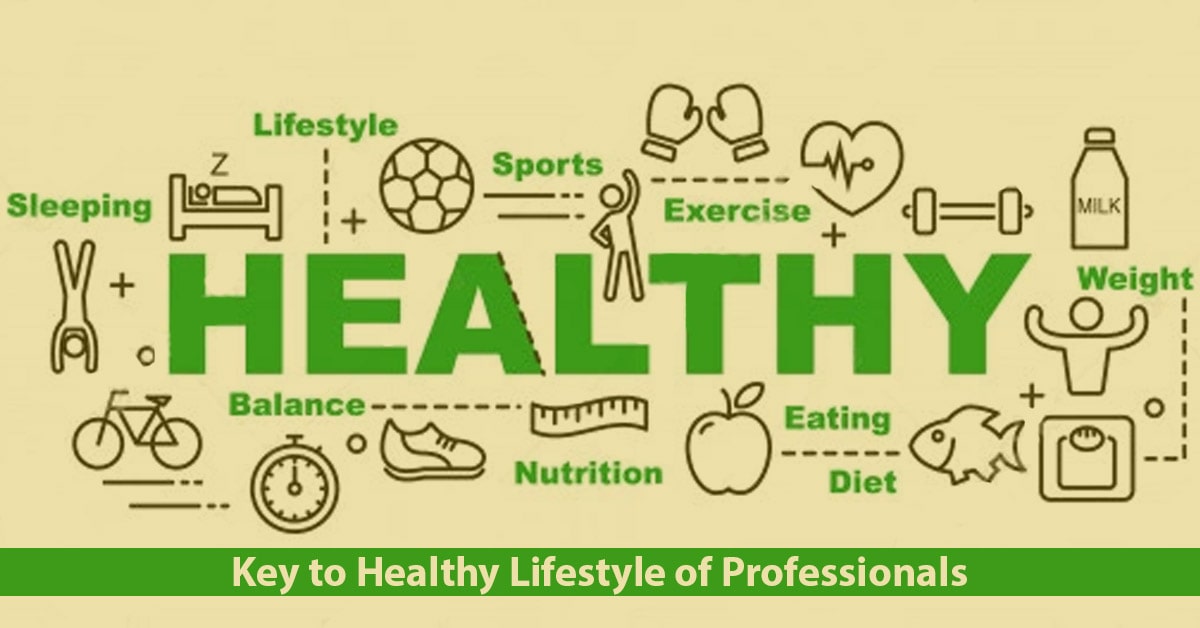
While supplements can provide crucial support for heart health, they are most effective when combined with a heart-healthy lifestyle. This means maintaining a balanced diet rich in fruits, vegetables, whole grains, and lean proteins, engaging in regular physical activity, managing stress, and avoiding tobacco use.
"Supplements should complement, not replace, healthy habits," emphasizes Dr. Thompson. "The synergy between a wholesome lifestyle and targeted supplementation offers the best protection for your heart."
Join the Conversation
We encourage you to share your strategies for maintaining heart health. Have you found certain supplements particularly beneficial? How do you integrate these into your daily routine? Your experiences can offer valuable insights and inspiration to others in our community. Leave your thoughts and tips in the comments below.
Heart health is a lifelong journey, and staying informed and proactive can make a world of difference. By incorporating the right supplements and lifestyle choices, you can help ensure your heart stays healthy and strong for years to come.

Daria Yarygina
Daria is dedicated to promoting healthy eating habits and evidence-based nutrition practices through her research and publications. She is a certified dietitian with a passion for helping individuals achieve their health goals.