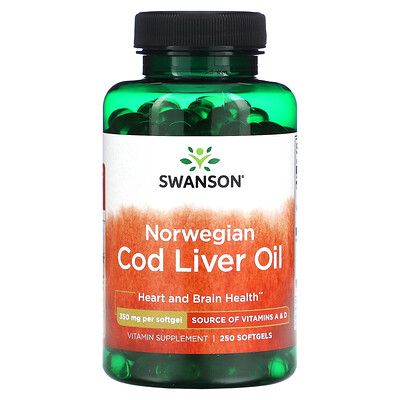
Swanson Norwegian Cod Liver Oil: Benefits and Usage
Name and Basic Overview
Swanson Norwegian Cod Liver Oil is a dietary supplement in softgel form, providing 350 mg per capsule. It is primarily sought for its potential benefits in heart and brain health, as well as its role in supporting skin health and immune function.
This supplement is derived from Norwegian cod liver oil, a natural source of vitamins A and D, and omega-3 fatty acids. People commonly use it to support cardiovascular health, maintain healthy blood lipid levels, and promote cognitive function.
Historical Background / Traditional Use
Cod liver oil has a long history of use, particularly in Northern Europe, where it was traditionally consumed to prevent rickets and other vitamin D deficiency-related conditions. Historically, it was also used to support general health and well-being, especially during the winter months when sunlight exposure, and thus vitamin D synthesis, was limited.
Modern usage focuses more on its specific health benefits, such as supporting heart and brain health, rather than as a general tonic.
Composition and Active Components
The primary active components in Swanson Norwegian Cod Liver Oil are vitamins A and D, and omega-3 fatty acids, including EPA (eicosapentaenoic acid) and DHA (docosahexaenoic acid).
- Vitamin A is crucial for maintaining healthy vision, skin, and immune function. It acts as an antioxidant and plays a role in cellular communication.
- Vitamin D is essential for calcium absorption, bone health, and immune system regulation. It also has roles in cardiovascular health.
- Omega-3 fatty acids, particularly EPA and DHA, are known for their anti-inflammatory properties and are vital for maintaining heart and brain health.
Research and Evidence Base
Numerous studies have highlighted the benefits of omega-3 fatty acids in supporting cardiovascular health. A meta-analysis published in the Journal of the American College of Cardiology (2019) found that omega-3 supplementation can reduce the risk of coronary heart disease.
Research on vitamin D suggests it plays a significant role in bone health and immune function. A review in the British Medical Journal (2017) supports its role in reducing the risk of acute respiratory infections.
Vitamin A's role in vision and immune health is well-documented, with studies indicating its importance in preventing night blindness and supporting mucosal health.
While the evidence supporting the benefits of these nutrients is robust, it is important to note that supplementation should be tailored to individual needs, and excessive intake of fat-soluble vitamins like A and D can lead to toxicity.
Potential Health Benefits
- Supports Cardiovascular Health: Cod liver oil is rich in omega-3 fatty acids, particularly EPA and DHA, which are known to support heart health by maintaining healthy blood lipid levels and reducing inflammation.
- Enhances Cognitive Function: Omega-3 fatty acids, especially DHA, are crucial for brain health and may support cognitive function and mental clarity.
- Promotes Healthy Skin: Vitamin A is essential for skin health, aiding in the maintenance and repair of skin tissues.
- Strengthens Bones: Vitamin D plays a vital role in calcium absorption, which is crucial for maintaining strong bones.
- Boosts Immune System: Both vitamins A and D are important for immune function, helping the body to fend off infections.
Safety, Side Effects, and Precautions
- Gastrointestinal Upset: Some individuals may experience mild gastrointestinal issues such as nausea or diarrhea.
- Allergic Reactions: Those with fish allergies should avoid this supplement.
- Vitamin A Toxicity: Excessive intake of vitamin A can lead to toxicity, so it is important to adhere to recommended dosages, especially for pregnant women and children.
- Interactions with Medications: Individuals on blood thinners or other medications should consult a healthcare provider before use due to potential interactions.
Summary and Takeaway
Main Benefits: Supports heart, brain, skin, and bone health; boosts immune function.
Caveats: Potential for gastrointestinal upset and vitamin A toxicity; not suitable for those with fish allergies.
Potential Risks: Overconsumption of vitamin A; interactions with certain medications.
Worth Trying: This supplement may be beneficial for those looking to support cardiovascular, cognitive, and immune health, provided they do not have contraindications.
Rating Among Similar Supplements: 8/10. It offers a comprehensive range of benefits with a well-documented ingredient profile.
Rating Based on Research: 7/10. While the benefits of omega-3s and vitamins A and D are well-studied, individual responses can vary, and more research is needed on specific formulations.
This supplement is a solid choice for those seeking the combined benefits of omega-3 fatty acids and vitamins A and D, with a long-standing reputation for quality. However, users should be mindful of dosage and potential interactions.

Wellmate AI
Your smart AI assistant for supplements and wellness. Trained on scientific research, it provides personalized recommendations based on your intake, health data, and global standards (WHO, FDA). Chat with AI, track supplements, and get expert-backed insights—all in one app. Download Wellmate