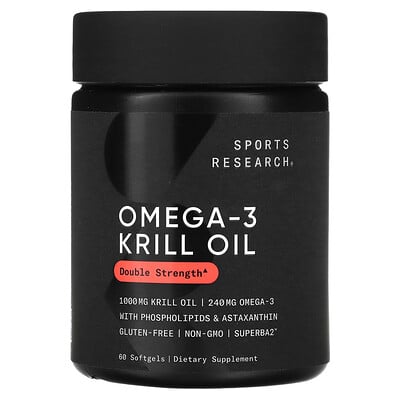
Sports Research Omega-3 Krill Oil: Benefits and Considerations
Name and Basic Overview
Sports Research Omega-3 Krill Oil is a dietary supplement providing 1,000 mg of krill oil per serving, with 240 mg of Omega-3 fatty acids. It includes phospholipids and astaxanthin, which are known for their potential health benefits.
Krill oil is derived from small crustaceans found in the Antarctic Ocean, known for their rich Omega-3 content. People commonly use krill oil for its potential benefits in supporting heart health, reducing inflammation, and improving joint and brain function.
Historical Background / Traditional Use
Krill oil is a relatively modern supplement, gaining popularity as an alternative to fish oil due to its potentially higher bioavailability and sustainability. Unlike fish oil, krill oil has not been traditionally used in ancient medicine but has become popular in recent decades for its health benefits.
Composition and Active Components
The primary active components in Sports Research Omega-3 Krill Oil are Omega-3 fatty acids, specifically EPA (136 mg) and DHA (60 mg), which are essential for cardiovascular and cognitive health. Phospholipids (400 mg) in krill oil enhance the absorption of Omega-3s, making them more bioavailable compared to traditional fish oil. Astaxanthin (100 mcg), a potent antioxidant, is included for its potential to protect cells from oxidative stress and support skin and eye health.
Research and Evidence Base
Clinical studies suggest that Omega-3 fatty acids, particularly EPA and DHA, can support heart health by reducing triglyceride levels and improving cholesterol profiles. They may also have anti-inflammatory effects beneficial for joint health. Research indicates that the phospholipid-bound form of Omega-3s in krill oil may be more efficiently absorbed by the body compared to the triglyceride form found in fish oil. Astaxanthin has been studied for its antioxidant properties, with some evidence suggesting it may help reduce oxidative stress and inflammation. While the evidence supporting the benefits of krill oil is promising, more large-scale, long-term studies are needed to fully understand its health impacts compared to other sources of Omega-3s.
Potential Health Benefits
- Supports Heart Health: Omega-3 fatty acids, particularly EPA and DHA, are well-documented for their role in supporting cardiovascular health by potentially reducing triglyceride levels and improving cholesterol profiles.
- Anti-Inflammatory Properties: Astaxanthin, a potent antioxidant found in krill oil, may help reduce inflammation, which is beneficial for joint health and overall well-being.
- Enhanced Bioavailability: The phospholipid-bound omega-3s in krill oil are believed to be more efficiently absorbed by the body compared to traditional fish oil, potentially leading to better health outcomes.
- Cognitive Support: DHA is crucial for brain health, and its presence in krill oil may support cognitive function and mental clarity.
- Sustainability: Sourced from the Antarctic Ocean, the krill oil is certified by the Marine Stewardship Council (MSC) for sustainable fishing practices, appealing to environmentally conscious consumers.
Safety, Side Effects, and Precautions
- Gastrointestinal Upset: Some users may experience mild digestive issues such as nausea or diarrhea.
- Allergic Reactions: Individuals with shellfish allergies should avoid krill oil due to potential allergic reactions.
- Blood Thinning: Omega-3s can have a blood-thinning effect, so individuals on anticoagulant medications should consult a healthcare provider before use.
- Pregnancy and Nursing: Pregnant or nursing women should seek medical advice before taking krill oil supplements.
- Children: The safety of krill oil in children has not been extensively studied, so caution is advised.
Summary and Takeaway
Main Benefits: Supports heart and brain health, anti-inflammatory properties, enhanced absorption, sustainable sourcing.
Caveats: Potential for gastrointestinal upset, allergic reactions, and interactions with blood-thinning medications.
Potential Risks: Shellfish allergy, limited research in specific populations like children and pregnant women.
Rating on Effectiveness: 8/10. Krill oil is a promising source of omega-3s with enhanced bioavailability, supported by some research, but more studies are needed to confirm its superiority over fish oil.
Rating on Research: 7/10. While there is a growing body of evidence supporting the benefits of krill oil, more large-scale, long-term studies are necessary to fully understand its health impacts.

Wellmate AI
Your smart AI assistant for supplements and wellness. Trained on scientific research, it provides personalized recommendations based on your intake, health data, and global standards (WHO, FDA). Chat with AI, track supplements, and get expert-backed insights—all in one app. Download Wellmate