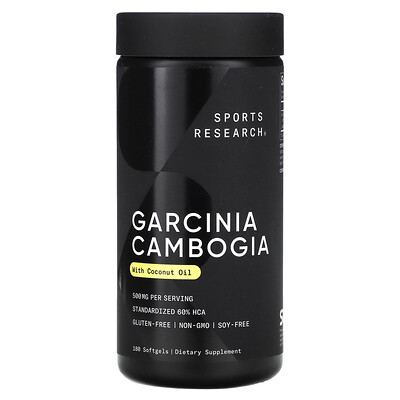
Sports Research Garcinia Cambogia with Coconut Oil: A Comprehensive Overview
Name and Basic Overview
Sports Research Garcinia Cambogia with Coconut Oil is a dietary supplement designed to support weight management. It contains 500 mg of Garcinia Cambogia extract per softgel, standardized to 60% hydroxycitric acid (HCA).
Garcinia Cambogia is a tropical fruit, also known as Malabar tamarind, and is primarily sourced from Southeast Asia and India. People commonly seek Garcinia Cambogia for its potential effects on appetite suppression and fat metabolism.
Historical Background / Traditional Use
Garcinia Cambogia has been used in traditional medicine and culinary practices in Southeast Asia and India for centuries. It was traditionally used to add a sour flavor to dishes and as a remedy for digestive issues. In modern times, its use has shifted towards weight management, largely due to the active compound HCA, which is believed to influence fat storage and appetite.
Composition and Active Components
The primary active component in Garcinia Cambogia is hydroxycitric acid (HCA), which is standardized to 60% in this supplement. HCA is thought to work by inhibiting an enzyme called citrate lyase, which the body uses to make fat. It may also increase levels of serotonin, a neurotransmitter that can influence mood and appetite.
Research and Evidence Base
Several studies have investigated the effects of Garcinia Cambogia and HCA on weight loss. Some clinical trials suggest a modest reduction in weight, while others show no significant effect compared to a placebo. A meta-analysis published in the Journal of Obesity in 2011 indicated that Garcinia Cambogia might lead to short-term weight loss, but the effect size was small, and the clinical relevance was uncertain.
The evidence remains mixed, with some studies highlighting potential benefits and others pointing to inconclusive results. More robust, long-term studies are needed to confirm its efficacy and safety for weight management.
Potential Health Benefits
- Supports Weight Loss: Garcinia Cambogia is often marketed for its potential to aid weight loss. The active ingredient, hydroxycitric acid (HCA), is believed to inhibit an enzyme called citrate lyase, which the body uses to make fat. It may also increase levels of serotonin, potentially reducing appetite.
- Boosts Metabolism: Some studies suggest that Garcinia Cambogia might help boost metabolism, although evidence is mixed.
- Enhances Exercise Performance: The addition of coconut oil is thought to provide medium-chain triglycerides (MCTs), which can be a quick source of energy and may enhance exercise performance.
Safety, Side Effects, and Precautions
- Gastrointestinal Issues: Some users may experience digestive issues such as nausea, diarrhea, or stomach cramps.
- Potential Liver Concerns: There have been reports of liver damage associated with Garcinia Cambogia, although these are rare and often involve other factors.
- Pregnancy and Breastfeeding: Not enough is known about the safety of Garcinia Cambogia during pregnancy and breastfeeding, so it is generally advised to avoid it.
- Interactions with Medications: Those on medications for diabetes, cholesterol, or psychiatric conditions should consult a healthcare provider before use.
Summary and Takeaway
Main Benefits: May support weight loss and metabolism; contains coconut oil for potential energy boost.
Caveats: Mixed evidence on effectiveness; potential gastrointestinal and liver issues; not recommended for pregnant or breastfeeding women.
Potential Risks: Possible digestive discomfort and rare liver concerns; interactions with certain medications.
Worth Trying? Garcinia Cambogia with Coconut Oil may be worth trying for those seeking a natural weight management aid, but it should be used with caution and ideally under medical supervision.
Rating Among Supplements: 6/10. While it offers potential benefits, the evidence is not robust, and there are safety concerns to consider.
Rating Based on Research: 5/10. Garcinia Cambogia has been studied, but results are inconsistent, and more high-quality research is needed to confirm its efficacy and safety.

Wellmate AI
Your smart AI assistant for supplements and wellness. Trained on scientific research, it provides personalized recommendations based on your intake, health data, and global standards (WHO, FDA). Chat with AI, track supplements, and get expert-backed insights—all in one app. Download Wellmate