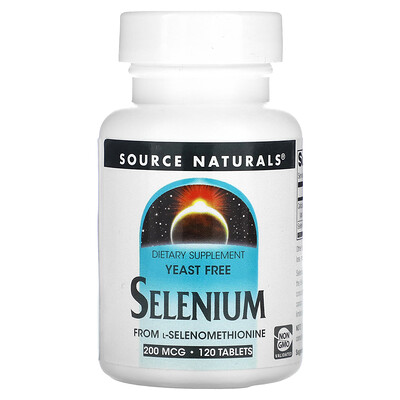
Source Naturals Selenium from L-Selenomethionine: Benefits and Usage
Name and Basic Overview
Source Naturals Selenium from L-Selenomethionine is a dietary supplement providing 200 mcg of selenium per tablet. Selenium is a trace mineral found naturally in foods like Brazil nuts, seafood, and organ meats, and it can also be synthesized for supplements. It is primarily sought for its antioxidant properties and potential role in reducing the risk of certain cancers, although evidence is not conclusive.
Historical Background / Traditional Use
Selenium was discovered in 1817 and has since been recognized for its essential role in human health. Historically, selenium's importance was not well understood until the mid-20th century when its role in preventing certain diseases was identified. Modern usage focuses on its antioxidant properties and its role in supporting immune function and thyroid health.
Composition and Active Components
The active component in this supplement is selenium in the form of L-selenomethionine, a highly bioavailable form of selenium. Selenium functions as a cofactor for glutathione peroxidase, an enzyme that helps protect cells from oxidative damage. It also plays a role in DNA synthesis, thyroid hormone metabolism, and reproductive health.
Research and Evidence Base
Several studies have explored selenium's role in cancer prevention, with mixed results. Some suggest a potential protective effect against prostate, lung, and colorectal cancers, but findings are not consistent. A notable study, the Selenium and Vitamin E Cancer Prevention Trial (SELECT), found no significant reduction in prostate cancer risk with selenium supplementation. The FDA acknowledges some scientific evidence suggesting selenium may reduce cancer risk but emphasizes that this evidence is limited and not conclusive. Research also supports selenium's role in supporting immune function and reducing inflammation, though more studies are needed to fully understand these effects.
Potential Health Benefits
Selenium is recognized for its role as a potent antioxidant, helping to protect cells from oxidative damage. It is essential for the proper functioning of the immune system and thyroid gland. Some studies suggest selenium may reduce the risk of certain cancers, although the evidence is not definitive. Selenium supports cardiovascular health by potentially reducing inflammation and oxidative stress. It may play a role in cognitive health, with some research indicating a link between selenium levels and reduced risk of cognitive decline.
Safety, Side Effects, and Precautions
Common side effects of selenium supplementation can include gastrointestinal upset, such as nausea or diarrhea. High doses of selenium can lead to toxicity, with symptoms like hair loss, nail brittleness, and neurological abnormalities. Individuals with certain health conditions, such as those with thyroid disorders, should consult a healthcare provider before use. Pregnant and breastfeeding women should seek medical advice before taking selenium supplements. People with allergies to any of the ingredients should avoid this product.
Summary and Takeaway
Selenium is a crucial antioxidant that supports immune and thyroid function. Potential cancer risk reduction benefits are suggested but not conclusively proven. Care should be taken to avoid excessive intake due to toxicity risks. Suitable for vegetarians and free from yeast and GMOs, making it accessible to a wide range of users.
Rating among dietary supplements of the same type: 8/10. This product offers a well-absorbed form of selenium (L-selenomethionine) and is free from common allergens, but the cancer prevention claims are not strongly supported by conclusive evidence.
Rating based on how well it has been studied: 7/10. Selenium's role in health is well-documented, but more research is needed to confirm some of the more specific health claims, such as cancer prevention.

Wellmate AI
Your smart AI assistant for supplements and wellness. Trained on scientific research, it provides personalized recommendations based on your intake, health data, and global standards (WHO, FDA). Chat with AI, track supplements, and get expert-backed insights—all in one app. Download Wellmate