Sky Organics Zinc Oxide Powder: Uses and Benefits
Name and Basic Overview
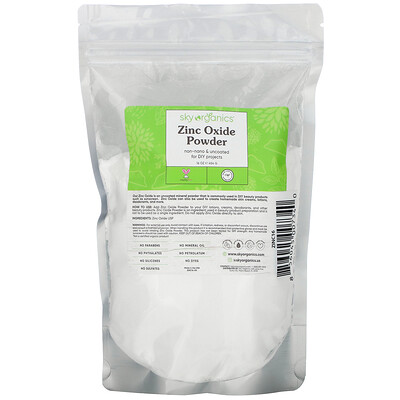
Sky Organics Zinc Oxide Powder is a non-nano, uncoated mineral powder primarily used in DIY beauty and skincare products. Zinc oxide is a naturally occurring mineral, often derived from zincite, a zinc ore. It can also be synthetically produced. It is widely sought for its protective properties, particularly in sunscreens, due to its ability to block both UVA and UVB rays. Additionally, it is used in creams, lotions, and other personal care products for its soothing and protective qualities.
Historical Background / Traditional Use
Zinc oxide has been used for centuries, with historical applications in medicinal ointments and as a pigment in paints. In traditional medicine, it was often used for its skin-protective properties, particularly in treating minor skin irritations and diaper rash. Modern usage has expanded to include a variety of personal care products, leveraging its UV-blocking capabilities and skin-soothing effects.
Composition and Active Components
The primary component of this product is zinc oxide, a compound consisting of zinc and oxygen (ZnO). Zinc oxide works by forming a protective barrier on the skin, reflecting and scattering UV radiation, which helps prevent sunburn and skin damage. It also has mild astringent and antiseptic properties, which can aid in soothing irritated skin and promoting healing.
Research and Evidence Base
Numerous studies have validated the efficacy of zinc oxide as a broad-spectrum sunscreen agent. It is recognized by regulatory bodies like the FDA for its safety and effectiveness in sun protection. Research also supports its use in treating minor skin irritations, with evidence suggesting it can help reduce inflammation and promote healing. While the evidence for its use in other DIY applications like deodorants and soaps is less robust, its safety profile and skin-protective properties make it a popular choice for these products. Overall, the evidence base for zinc oxide is strong in the context of sun protection and skin barrier function, though more research could further elucidate its benefits in other applications.
Potential Health Benefits
- Sun Protection: Zinc oxide is widely recognized for its ability to provide broad-spectrum protection against UVA and UVB rays, making it a popular ingredient in sunscreens.
- Skin Soothing: It is often used in creams and lotions for its soothing properties, which can help alleviate minor skin irritations and rashes.
- Anti-inflammatory: Zinc oxide may help reduce inflammation, making it beneficial in products aimed at calming irritated skin.
- Barrier Formation: It forms a protective barrier on the skin, which can help lock in moisture and protect against environmental irritants.
Safety, Side Effects, and Precautions
- General Safety: Zinc oxide is generally considered safe for topical use and is often used in products for sensitive skin, including those for babies.
- Inhalation Risk: As a powder, care should be taken to avoid inhalation, which can be irritating to the respiratory tract.
- Allergic Reactions: Although rare, some individuals may experience allergic reactions, such as redness or itching.
- Pregnancy and Children: Generally safe for use, but it is always advisable to consult with a healthcare provider before use, especially in homemade formulations.
Summary and Takeaway
Main Benefits: Effective sun protection, skin soothing, anti-inflammatory properties, and barrier formation.
Caveats: Risk of inhalation as a powder; potential for rare allergic reactions.
Potential Risks: Minimal when used as directed, but caution is advised in DIY applications to avoid inhalation.
Worth Trying: Ideal for those interested in DIY skincare products, particularly for sun protection and soothing formulations.
Open Questions: The effectiveness of homemade formulations compared to commercial products.
Rating Among Similar Supplements: 8/10. Zinc oxide is a well-established ingredient with proven benefits, particularly in sun protection.
Rating Based on Study: 9/10. Zinc oxide is extensively studied, especially in dermatological applications, with a strong safety profile and efficacy in sun protection.

Wellmate AI
Your smart AI assistant for supplements and wellness. Trained on scientific research, it provides personalized recommendations based on your intake, health data, and global standards (WHO, FDA). Chat with AI, track supplements, and get expert-backed insights—all in one app. Download Wellmate