Quercetin: A Comprehensive Guide to Its Benefits and Usage
Name and Basic Overview
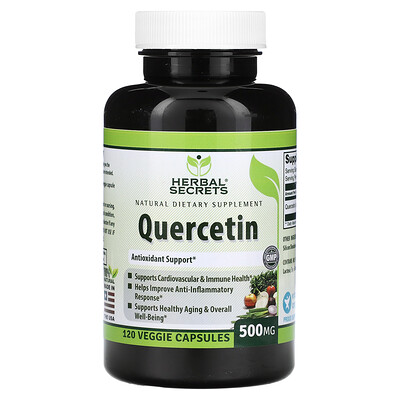
Quercetin is a natural dietary supplement known for its antioxidant properties. It is often sought for its potential benefits in supporting cardiovascular and immune health, improving anti-inflammatory responses, and promoting healthy aging and overall well-being.
Quercetin is a flavonoid found in many fruits, vegetables, and grains, with high concentrations in apples, onions, and berries. It is also available in synthetic forms for supplementation.
People commonly use quercetin to enhance their antioxidant intake, support heart health, and boost immune function.
Historical Background / Traditional Use
Quercetin has been part of traditional medicine practices for centuries, particularly in herbal remedies. It was often used for its purported anti-inflammatory and immune-boosting properties.
Historically, foods rich in quercetin were consumed for their health benefits, although the isolated compound is a more recent development in dietary supplements.
Composition and Active Components
The primary active component in this supplement is quercetin dihydrate, a form of quercetin that is more bioavailable and easier for the body to absorb.
Quercetin functions as an antioxidant, neutralizing free radicals and reducing oxidative stress. It may also modulate inflammatory pathways and support the immune system by influencing the activity of various immune cells.
Research and Evidence Base
Several studies have investigated quercetin's potential health benefits. Clinical trials suggest that quercetin may help reduce blood pressure and improve endothelial function, contributing to cardiovascular health.
Research also indicates that quercetin may enhance immune response, particularly in reducing the severity and duration of upper respiratory tract infections.
While some studies support its anti-inflammatory effects, the evidence is still emerging, and more robust clinical trials are needed to confirm these benefits.
Overall, the evidence for quercetin's health benefits is promising but not yet conclusive, warranting further investigation to fully understand its potential.
Potential Health Benefits
- Antioxidant Support: Quercetin is a flavonoid with potent antioxidant properties, which may help neutralize free radicals and reduce oxidative stress, potentially lowering the risk of chronic diseases.
- Supports Cardiovascular Health: Some studies suggest quercetin may help improve heart health by reducing blood pressure and improving endothelial function, although more research is needed to confirm these effects.
- Immune Health: Quercetin is believed to modulate immune function, potentially enhancing the body's defense against infections and inflammation.
- Anti-Inflammatory Response: Quercetin may inhibit the production of pro-inflammatory cytokines, which could help manage inflammatory conditions.
- Healthy Aging & Overall Well-Being: By combating oxidative stress and inflammation, quercetin might contribute to healthier aging and overall well-being.
Safety, Side Effects, and Precautions
- Gastrointestinal Upset: Some individuals may experience mild gastrointestinal issues, such as nausea or diarrhea, when taking quercetin supplements.
- Allergic Reactions: Although rare, allergic reactions can occur, especially in individuals with sensitivities to flavonoids.
- Pregnant and Nursing Women: There is limited research on the safety of quercetin supplementation during pregnancy and lactation, so it is advisable to consult a healthcare provider.
- Drug Interactions: Quercetin may interact with certain medications, such as antibiotics and blood thinners, potentially altering their effectiveness.
Summary and Takeaway
Main Benefits: Antioxidant support, potential cardiovascular and immune health benefits, anti-inflammatory properties, and support for healthy aging.
Caveats: Limited research on long-term effects and interactions with medications; potential for mild gastrointestinal side effects.
Potential Risks: Allergic reactions and interactions with certain medications; caution advised for pregnant and nursing women.
Worth Trying? Quercetin may be beneficial for those seeking antioxidant and anti-inflammatory support, but individuals should consult healthcare providers, especially if taking other medications.
Rating Among Supplements: 7/10. Quercetin is a well-regarded supplement with potential health benefits, but more research is needed to fully understand its effects.
Rating Based on Research: 6/10. While there is promising research on quercetin, more robust clinical trials are necessary to confirm its efficacy and safety across different populations.

Wellmate AI
Your smart AI assistant for supplements and wellness. Trained on scientific research, it provides personalized recommendations based on your intake, health data, and global standards (WHO, FDA). Chat with AI, track supplements, and get expert-backed insights—all in one app. Download Wellmate