Pau D'Arco Extract: Benefits, Uses, and Safety
Name and Basic Overview
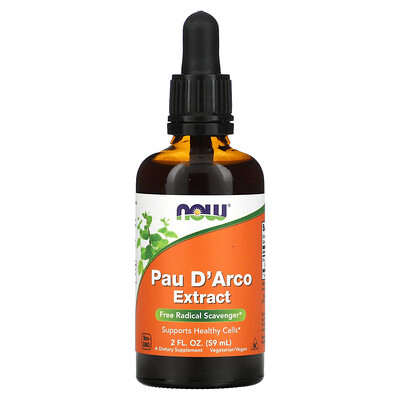
Pau D'Arco Extract is a dietary supplement derived from the inner bark of the Tabebuia tree, native to the Amazon rainforest. It is primarily sought for its potential antioxidant properties, which may support healthy cell growth and act as a free radical scavenger. The supplement is available in a liquid extract form and is suitable for vegetarians and vegans.
Historical Background / Traditional Use
Pau D'Arco has a long history of use in traditional medicine, particularly among indigenous tribes in South America. Historically, it was used for its purported anti-inflammatory and antimicrobial properties, often in the form of teas or decoctions. Modern usage focuses more on its potential antioxidant benefits and its role in supporting cellular health.
Composition and Active Components
The primary active components in Pau D'Arco are naphthoquinones, including lapachol and beta-lapachone, which are believed to contribute to its biological activity. These compounds are thought to work by neutralizing free radicals, thereby reducing oxidative stress and potentially supporting cellular health.
Research and Evidence Base
Research on Pau D'Arco is still emerging, with some studies suggesting its potential antioxidant and anti-inflammatory effects. A few preclinical studies have indicated that its active compounds may inhibit the growth of certain pathogens, although these findings are preliminary and require further investigation in human trials. The evidence supporting Pau D'Arco's health benefits is currently limited and inconclusive, necessitating more robust clinical trials to validate its efficacy and safety for long-term use.
Potential Health Benefits
- Free Radical Scavenger: Pau D'Arco is often marketed for its antioxidant properties, which may help neutralize free radicals, potentially reducing oxidative stress and supporting overall cellular health.
- Supports Healthy Cells: The extract is believed to promote healthy cell growth, possibly due to its active compounds like lapachol and beta-lapachone, which have been studied for their potential anti-inflammatory and antimicrobial effects.
- Traditional Use: Historically, Pau D'Arco has been used in herbal medicine for its purported benefits in supporting immune function and overall wellness.
Safety, Side Effects, and Precautions
- Gastrointestinal Upset: Some users may experience mild gastrointestinal issues such as nausea or diarrhea.
- Allergic Reactions: Although rare, allergic reactions can occur, particularly in individuals sensitive to herbal supplements.
- Pregnancy and Breastfeeding: Caution is advised for pregnant or breastfeeding women, as there is limited research on the safety of Pau D'Arco in these populations.
- Interactions: Those on anticoagulant medications should consult a healthcare provider, as Pau D'Arco may affect blood clotting.
Summary and Takeaway
Main Benefits: Antioxidant properties, potential support for healthy cell growth, traditional use in herbal medicine.
Caveats: Limited clinical research, potential gastrointestinal side effects, caution for certain populations.
Potential Risks: Allergic reactions, interactions with blood-thinning medications.
Worth Trying? Pau D'Arco may be worth considering for those interested in herbal supplements with antioxidant properties, but it is essential to consult with a healthcare provider, especially if you have underlying health conditions or are taking other medications.
Rating Among Similar Supplements: 6/10. While Pau D'Arco has a long history of traditional use, the scientific evidence supporting its health benefits is not as robust as some other herbal supplements.
Rating Based on Research: 5/10. The research on Pau D'Arco is limited, with most studies being preliminary or conducted in vitro. More clinical trials are needed to substantiate its health claims.

Wellmate AI
Your smart AI assistant for supplements and wellness. Trained on scientific research, it provides personalized recommendations based on your intake, health data, and global standards (WHO, FDA). Chat with AI, track supplements, and get expert-backed insights—all in one app. Download Wellmate