Nutricost Vitamin A: Benefits, Uses, and Safety
Name and Basic Overview
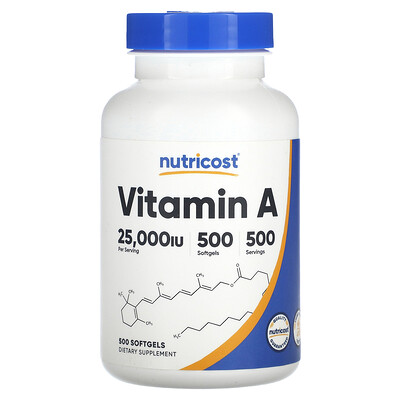
Nutricost Vitamin A is a dietary supplement providing 25,000 IU of Vitamin A per serving, sourced from Retinyl Palmitate. Vitamin A is a fat-soluble vitamin found naturally in foods like liver, fish oils, and dairy products, and is also available in synthetic forms. It is commonly sought for its roles in vision, immune function, and skin health.
Historical Background / Traditional Use
Historically, Vitamin A has been recognized for its importance in maintaining healthy vision, with early uses dating back to ancient Egypt where liver (a rich source of Vitamin A) was used to treat night blindness. Modern usage focuses on its broader health benefits, including immune support and skin health, reflecting a more comprehensive understanding of its physiological roles.
Composition and Active Components
The active component in Nutricost Vitamin A is Retinyl Palmitate, a preformed version of Vitamin A. Retinyl Palmitate is converted in the body to retinol, which is then oxidized to retinal and retinoic acid, the active forms that support vision, cellular growth, and immune function.
Research and Evidence Base
Numerous studies have established the essential role of Vitamin A in maintaining vision, particularly in low-light conditions, by forming the visual pigment rhodopsin. Research also supports its role in immune function, with Vitamin A deficiency linked to increased susceptibility to infections. Evidence suggests that Vitamin A is crucial for skin health, promoting cell turnover and repair, which is why it is often included in dermatological treatments.
While the benefits of Vitamin A are well-documented, high doses, such as those provided by this supplement, should be approached with caution due to potential toxicity. The tolerable upper intake level for adults is 3,000 mcg (10,000 IU) per day, and exceeding this can lead to hypervitaminosis A, characterized by symptoms like liver damage and bone abnormalities. Therefore, it is important for users to consult healthcare professionals before starting high-dose Vitamin A supplements, especially if they are pregnant or have pre-existing health conditions.
Potential Health Benefits
- Supports Vision Health: Vitamin A is crucial for maintaining healthy vision, particularly in low-light conditions. It plays a role in the formation of rhodopsin, a pigment in the retina that helps with night vision.
- Boosts Immune Function: Vitamin A is essential for the proper functioning of the immune system. It helps maintain the integrity of mucosal barriers and supports the production and function of white blood cells.
- Promotes Skin Health: Retinyl palmitate, a form of Vitamin A, is often used in skincare for its potential to improve skin texture and reduce signs of aging by promoting cell turnover.
- Supports Reproductive Health: Adequate Vitamin A levels are important for reproductive health in both men and women, contributing to normal growth and development.
Safety, Side Effects, and Precautions
- Potential for Toxicity: High doses of Vitamin A, such as 25,000 IU, can lead to toxicity, especially if taken over long periods. Symptoms may include nausea, dizziness, and even more severe effects like liver damage.
- Pregnancy Concerns: Excessive Vitamin A intake during pregnancy can cause birth defects. Pregnant women should consult a healthcare provider before using high-dose Vitamin A supplements.
- Interactions with Medications: Vitamin A can interact with certain medications, such as retinoids and anticoagulants, potentially altering their effects.
- Allergic Reactions: Although rare, some individuals may experience allergic reactions to Vitamin A supplements.
Summary and Takeaway
Main Benefits: Supports vision, immune function, skin health, and reproductive health.
Caveats: High potential for toxicity at 25,000 IU; caution advised for pregnant women and those on certain medications.
Potential Risks: Risk of Vitamin A toxicity and possible interactions with medications.
Worth Trying?: This supplement may be beneficial for individuals with a diagnosed Vitamin A deficiency or specific health needs, but caution is advised due to the high dosage.
Who Might Benefit?: Those with low dietary intake of Vitamin A or specific health conditions requiring supplementation.
Open Questions: Long-term safety at high doses and individual variability in response.
Rating Among Similar Supplements: 6/10. While it provides a potent dose of Vitamin A, the risk of toxicity at such high levels is a significant concern.
Rating Based on Research: 8/10. Vitamin A is well-studied, but the high dosage in this supplement requires careful consideration and monitoring.

Wellmate AI
Your smart AI assistant for supplements and wellness. Trained on scientific research, it provides personalized recommendations based on your intake, health data, and global standards (WHO, FDA). Chat with AI, track supplements, and get expert-backed insights—all in one app. Download Wellmate