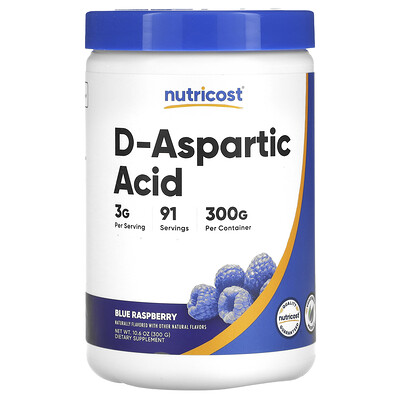
Nutricost D-Aspartic Acid: A Supplement for Male Vitality
Name and Basic Overview
Nutricost D-Aspartic Acid is a dietary supplement designed to support male vitality and testosterone levels. It is naturally flavored with blue raspberry and is available in a 10.6 oz (300 g) container.
D-Aspartic Acid (DAA) is an amino acid found naturally in the body, particularly in the nervous and endocrine systems. It is also present in foods like meat, eggs, and dairy.
This supplement is primarily sought after by men looking to enhance energy, libido, and fertility by potentially boosting testosterone levels.
Historical Background / Traditional Use
D-Aspartic Acid is not traditionally used in ancient medicine systems like Ayurveda or Traditional Chinese Medicine. Its use as a supplement is a relatively modern development, focusing on its role in hormone regulation and potential benefits for male reproductive health.
Composition and Active Components
The primary active component in this supplement is D-Aspartic Acid, an amino acid that plays a role in the synthesis and release of hormones, including testosterone.
DAA is believed to work by stimulating the release of luteinizing hormone, which in turn signals the testes to produce more testosterone. This process may help improve energy levels, libido, and overall vitality in men.
Research and Evidence Base
Several studies have investigated the effects of D-Aspartic Acid on testosterone levels. Some research suggests that DAA supplementation can lead to a temporary increase in testosterone levels in men, particularly those with low baseline levels.
A notable study published in "Reproductive Biology and Endocrinology" found that DAA supplementation increased testosterone levels in healthy men after 12 days of use. However, the effects were not sustained over longer periods.
Other studies have shown mixed results, with some indicating no significant impact on testosterone levels or athletic performance. This suggests that while DAA may have potential benefits, the evidence is not yet robust or conclusive.
Further research, including larger and longer-term studies, is needed to fully understand the efficacy and safety of DAA supplementation for testosterone enhancement.
Potential Health Benefits
- Supports Testosterone Levels: D-aspartic acid is often marketed for its potential to boost testosterone levels in men. Some studies suggest that it may help increase testosterone production, which can enhance energy, libido, and fertility.
- Enhances Athletic Performance: By potentially increasing testosterone, D-aspartic acid might contribute to improved muscle strength and athletic performance, although evidence is mixed.
- Improves Mood and Cognitive Function: There is some indication that D-aspartic acid may play a role in neurotransmitter regulation, potentially benefiting mood and cognitive function.
Safety, Side Effects, and Precautions
- Gastrointestinal Upset: Some users may experience mild gastrointestinal issues such as nausea or diarrhea.
- Hormonal Imbalance: Prolonged use or high doses could potentially lead to hormonal imbalances, particularly in individuals with normal testosterone levels.
- Not Recommended for Certain Groups: Pregnant or breastfeeding women, children, and individuals with hormone-sensitive conditions should avoid using D-aspartic acid without medical advice.
- Allergic Reactions: Although rare, some individuals may experience allergic reactions to the supplement.
Summary and Takeaway
Main Benefits: May support testosterone levels, potentially enhancing energy, libido, and athletic performance.
Caveats: Mixed evidence on effectiveness; potential for gastrointestinal upset and hormonal imbalance.
Potential Risks: Not suitable for everyone, particularly those with hormone-sensitive conditions or pregnant women.
Rating on Effectiveness: 6/10. While there is some evidence supporting its use for boosting testosterone, results are inconsistent, and more research is needed.
Rating on Research: 5/10. The research on D-aspartic acid is limited and mixed, with some studies showing benefits and others showing no significant effects.
Overall, Nutricost D-Aspartic Acid may be worth trying for men looking to support testosterone levels, but it should be used with caution and ideally under the guidance of a healthcare professional.

Wellmate AI
Your smart AI assistant for supplements and wellness. Trained on scientific research, it provides personalized recommendations based on your intake, health data, and global standards (WHO, FDA). Chat with AI, track supplements, and get expert-backed insights—all in one app. Download Wellmate