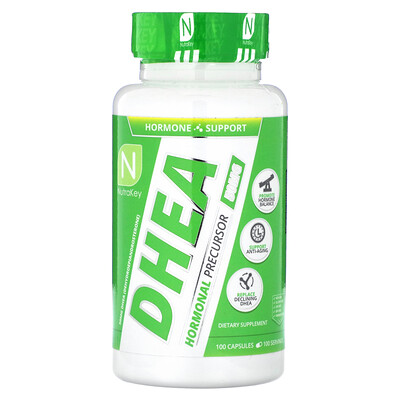
Nutrakey DHEA: Benefits, Uses, and Safety
Name and Basic Overview
Nutrakey DHEA is a dietary supplement containing 50 mg of Dehydroepiandrosterone (DHEA) per capsule. DHEA is a hormone naturally produced by the adrenal glands, and it serves as a precursor to other hormones, including testosterone and estrogen. People commonly seek DHEA supplements for hormone support, anti-aging benefits, and to counteract the natural decline of DHEA levels with age.
Historical Background / Traditional Use
DHEA was first identified in the 1930s and has since been studied for its role in hormone production and potential health benefits. While not traditionally used in ancient medicine, its modern application focuses on hormone balance and anti-aging, differing from historical uses of other hormone-related substances.
Composition and Active Components
The primary active component in Nutrakey DHEA is Dehydroepiandrosterone itself. DHEA functions as a hormonal precursor, meaning it can be converted into other hormones like testosterone and estrogen, depending on the body's needs. This conversion process is crucial for maintaining hormonal balance and supporting various physiological functions.
Research and Evidence Base
Research on DHEA supplementation has shown mixed results. Some studies suggest potential benefits in improving bone density, mood, and skin health, particularly in older adults experiencing a natural decline in DHEA levels. A meta-analysis of clinical trials indicates that DHEA may have a modest effect on improving symptoms of depression and enhancing cognitive function in certain populations. However, evidence remains inconclusive regarding its efficacy in anti-aging and hormone replacement therapy, with some studies showing no significant benefits. Further research is needed to fully understand the long-term effects and safety of DHEA supplementation, especially in younger populations or those without a diagnosed deficiency.
Potential Health Benefits
- Hormone Support: DHEA is a precursor to major sex hormones like testosterone and estrogen, potentially aiding in hormone balance.
- Anti-Aging: Claims suggest DHEA may help counteract age-related declines in hormone levels, possibly improving energy, mood, and skin health.
- Replace Declining DHEA: As DHEA levels naturally decrease with age, supplementation might help maintain levels, potentially supporting overall vitality.
- Non-GMO, Gluten-Free, Dye-Free, BPA-Free, Parabens-Free: These attributes may appeal to those with specific dietary restrictions or preferences.
Safety, Side Effects, and Precautions
- Common Side Effects: Potential side effects include acne, hair loss, stomach upset, and changes in menstrual cycle or mood.
- Hormonal Effects: Due to its role in hormone production, DHEA may not be suitable for individuals with hormone-sensitive conditions, such as certain cancers.
- Specific Populations: Pregnant or breastfeeding women, children, and individuals with liver disease or mood disorders should avoid DHEA unless advised by a healthcare provider.
- Drug Interactions: DHEA may interact with medications like insulin, antidepressants, and hormone therapies, necessitating consultation with a healthcare professional before use.
Summary and Takeaway
Main Benefits: Supports hormone balance, may aid in anti-aging, and helps maintain DHEA levels as they decline with age.
Caveats: Potential side effects and interactions with medications; not suitable for everyone, especially those with hormone-sensitive conditions.
Potential Risks: Hormonal imbalances, mood changes, and interactions with other medications.
Worth Trying?: May benefit those experiencing age-related hormonal decline, but should be approached with caution and under medical guidance.
Rating Among Supplements: 7/10. DHEA is a well-known supplement with potential benefits, but its effects can vary widely among individuals.
Rating Based on Research: 6/10. While some studies support its benefits, more comprehensive research is needed to fully understand its long-term effects and safety profile.

Wellmate AI
Your smart AI assistant for supplements and wellness. Trained on scientific research, it provides personalized recommendations based on your intake, health data, and global standards (WHO, FDA). Chat with AI, track supplements, and get expert-backed insights—all in one app. Download Wellmate