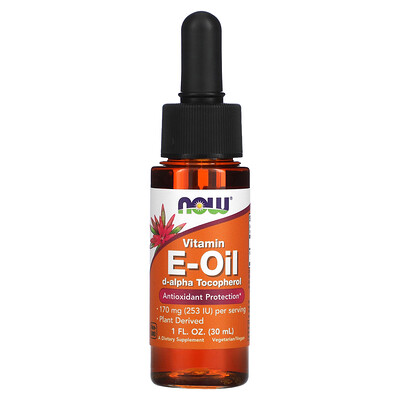
NOW Foods Vitamin E-Oil: Benefits and Considerations
Name and Basic Overview
- NOW Foods Vitamin E-Oil is a dietary supplement primarily composed of d-alpha tocopherol, a form of Vitamin E.
- This product is plant-derived, non-GMO, and suitable for vegetarians and vegans.
- Vitamin E is commonly sought for its antioxidant properties, which help protect cells from oxidative stress and support skin health.
Historical Background / Traditional Use
- Vitamin E was first discovered in 1922 and has since been recognized for its role in reproductive health and as a potent antioxidant.
- Historically, Vitamin E has been used in various cultures for its skin-protective benefits and to support overall health.
Composition and Active Components
- The active component in this supplement is d-alpha tocopherol, a natural form of Vitamin E.
- Vitamin E functions as a fat-soluble antioxidant, protecting cell membranes from damage by free radicals. It also plays a role in immune function and skin health.
Research and Evidence Base
- Numerous studies have investigated the antioxidant effects of Vitamin E, with evidence supporting its role in reducing oxidative stress and potentially lowering the risk of chronic diseases.
- Clinical trials have shown that Vitamin E supplementation can improve skin health, particularly in conditions involving oxidative damage.
- While some studies suggest benefits for cardiovascular health, the evidence remains mixed, and further research is needed to confirm these effects.
- Overall, the evidence for Vitamin E's antioxidant properties is robust, though its efficacy in other health areas requires more investigation.
Potential Health Benefits
- Antioxidant Protection: Vitamin E is renowned for its antioxidant properties, which help protect cells from oxidative stress and damage caused by free radicals. This can contribute to overall cellular health and may support the immune system.
- Skin Health: Topical application of Vitamin E oil is often promoted for its potential to improve skin hydration, reduce signs of aging, and aid in the healing of minor skin irritations or scars.
- Heart Health: Some studies suggest that Vitamin E may support cardiovascular health by preventing the oxidation of LDL cholesterol, which is a risk factor for atherosclerosis.
- Immune Support: Vitamin E plays a role in immune function, and adequate intake may help maintain a healthy immune response.
Safety, Side Effects, and Precautions
- Gastrointestinal Upset: High doses of Vitamin E can sometimes cause nausea, diarrhea, or stomach cramps.
- Allergic Reactions: Although rare, some individuals may experience allergic reactions to Vitamin E oil, especially when applied topically.
- Interactions with Medications: Vitamin E can interact with certain medications, such as anticoagulants, increasing the risk of bleeding. Individuals on such medications should consult a healthcare provider before use.
- Specific Populations: Pregnant or breastfeeding women should seek medical advice before using Vitamin E supplements, as should individuals with specific health conditions or those undergoing surgery.
Summary and Takeaway
- Main Benefits: Offers antioxidant protection, supports skin and heart health, and may enhance immune function.
- Caveats: Potential for gastrointestinal upset and interactions with medications; caution advised for certain populations.
- Potential Risks: Allergic reactions and increased bleeding risk with high doses or interactions.
- Worth Trying? This supplement may be beneficial for those looking to enhance their antioxidant intake, support skin health, or maintain cardiovascular wellness. However, it is essential to consider potential interactions and consult with a healthcare provider if necessary.
- Rating Among Similar Supplements: 8/10. NOW Foods Vitamin E Oil is a well-regarded product with a high-quality formulation, but individual needs and potential interactions should be considered.
- Rating Based on Research: 7/10. While Vitamin E is well-studied, the evidence for some of its benefits, particularly in high doses, remains mixed. More research is needed to fully understand its effects in various health contexts.

Wellmate AI
Your smart AI assistant for supplements and wellness. Trained on scientific research, it provides personalized recommendations based on your intake, health data, and global standards (WHO, FDA). Chat with AI, track supplements, and get expert-backed insights—all in one app. Download Wellmate