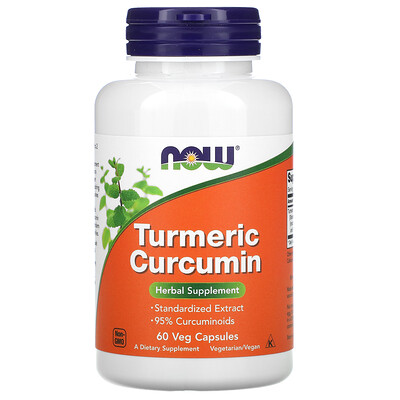
NOW Foods Turmeric Curcumin: Benefits and Usage
Name and Basic Overview
NOW Foods Turmeric Curcumin is a dietary supplement featuring a standardized extract of turmeric root, specifically formulated to contain 95% curcuminoids. Turmeric, a plant from the ginger family, is naturally sourced and has been used in culinary and medicinal applications, particularly in South Asian cultures. People commonly seek turmeric supplements for their potential anti-inflammatory and antioxidant properties, which may support joint health, digestion, and overall wellness.
Historical Background / Traditional Use
Turmeric has a rich history in traditional medicine, particularly within Ayurvedic and Chinese practices, where it has been used for its purported healing properties. Historically, turmeric was utilized for its potential to support digestion, relieve pain, and improve skin health. Modern usage often focuses on its anti-inflammatory and antioxidant effects, which are attributed to its active component, curcumin.
Composition and Active Components
The primary active component in this supplement is curcumin, a polyphenolic compound found in turmeric. Curcumin is known for its vibrant yellow color and is the main contributor to turmeric's health benefits. Curcuminoids, including curcumin, demethoxycurcumin, and bisdemethoxycurcumin, are believed to exert their effects by modulating inflammatory pathways and neutralizing free radicals, thus potentially reducing oxidative stress in the body.
Research and Evidence Base
Numerous studies have investigated the health benefits of curcumin, with a focus on its anti-inflammatory and antioxidant properties. Clinical trials have suggested that curcumin may help manage conditions like arthritis, metabolic syndrome, and anxiety, although results can vary. A meta-analysis of randomized controlled trials has shown that curcumin supplementation can significantly reduce markers of inflammation, such as C-reactive protein, in certain populations. While the evidence supporting curcumin's health benefits is promising, it is important to note that bioavailability is a challenge. Curcumin is poorly absorbed on its own, and formulations often include additional components like piperine to enhance absorption. Overall, while research supports the potential benefits of curcumin, further studies are needed to fully understand its efficacy and optimal dosing in various health contexts.
Potential Health Benefits
- Anti-inflammatory Properties: Curcumin, the active compound in turmeric, is renowned for its potent anti-inflammatory effects. It may help reduce inflammation in conditions like arthritis, as supported by numerous studies.
- Antioxidant Effects: Curcumin is a powerful antioxidant that can neutralize free radicals and boost the activity of the body's own antioxidant enzymes, potentially reducing oxidative stress.
- Supports Joint Health: Due to its anti-inflammatory properties, curcumin may support joint health and mobility, making it popular among individuals with joint discomfort.
- Cognitive Health: Emerging research suggests curcumin may support brain health and cognitive function, possibly by reducing neuroinflammation and supporting neurogenesis.
- Digestive Health: Traditionally used in Ayurvedic medicine, curcumin may aid in digestion and support gut health, although more research is needed in this area.
Safety, Side Effects, and Precautions
- Gastrointestinal Upset: Some individuals may experience mild gastrointestinal issues, such as bloating or diarrhea, especially at higher doses.
- Allergic Reactions: Rarely, turmeric supplements can cause allergic reactions, particularly in individuals sensitive to turmeric or related plants.
- Blood Thinning: Curcumin may have blood-thinning effects, so caution is advised for those on anticoagulant medications or with bleeding disorders.
- Pregnancy and Breastfeeding: Pregnant or breastfeeding women should consult a healthcare provider before using turmeric supplements, as safety data is limited.
- Gallbladder Issues: Individuals with gallstones or bile duct obstruction should avoid turmeric supplements, as they may exacerbate these conditions.
Summary and Takeaway
Main Benefits: Anti-inflammatory and antioxidant properties, potential support for joint and cognitive health.
Caveats: Possible gastrointestinal upset, blood-thinning effects, and limited safety data for certain populations.
Potential Risks: Allergic reactions, interactions with medications, and contraindications for specific health conditions.
Worth Trying?: Turmeric curcumin supplements may be beneficial for those seeking natural anti-inflammatory support, particularly for joint health. However, individuals should consider potential interactions and consult healthcare providers if they have underlying health conditions or are on medication.
Rating Among Supplements: 8/10. Turmeric curcumin is a well-regarded supplement with a strong traditional and scientific backing for its health benefits, particularly in inflammation and antioxidant support.
Rating Based on Research: 7/10. While curcumin is extensively studied, more high-quality clinical trials are needed to fully understand its effects and optimal dosages for various health conditions.

Wellmate AI
Your smart AI assistant for supplements and wellness. Trained on scientific research, it provides personalized recommendations based on your intake, health data, and global standards (WHO, FDA). Chat with AI, track supplements, and get expert-backed insights—all in one app. Download Wellmate