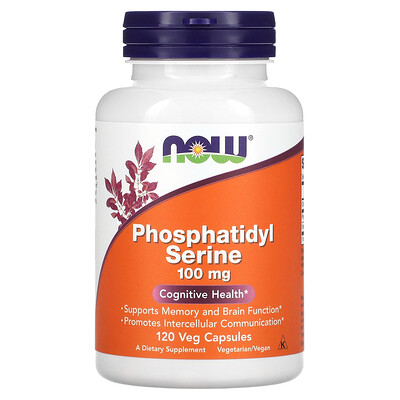
NOW Foods Phosphatidyl Serine: A Cognitive Health Supplement
Name and Basic Overview
NOW Foods Phosphatidyl Serine is a dietary supplement designed to support cognitive health, memory, and brain function. It is derived from soy lecithin, a natural source, and is available in vegetarian and vegan-friendly capsules. People commonly seek this supplement for its potential benefits in enhancing memory, learning, and mood regulation.
Historical Background / Traditional Use
Phosphatidyl serine (PS) is a phospholipid that has been studied since the 1970s for its role in brain health. Historically, PS was sourced from bovine brain tissue, but due to safety concerns, it is now primarily derived from soy or sunflower lecithin. While not traditionally used in ancient medicine, its modern application focuses on cognitive enhancement and neuroprotection.
Composition and Active Components
The primary active component is phosphatidyl serine, a phospholipid that is crucial for maintaining the structural integrity of cell membranes, particularly in neurons. It supports the conduction of electrical impulses and facilitates neurotransmitter activity, which are vital for cognitive processes such as learning and memory. The supplement also contains choline, which is a precursor to the neurotransmitter acetylcholine, and inositol, which plays a role in cell signaling.
Research and Evidence Base
Clinical trials have shown that phosphatidyl serine supplementation can improve cognitive function, particularly in older adults experiencing memory decline. A meta-analysis of studies suggests that PS may enhance memory, attention, and language skills, although results can vary based on individual health status and dosage. Preliminary research indicates potential benefits for mood regulation and stress reduction, but more robust studies are needed to confirm these effects. Overall, the evidence supports the use of phosphatidyl serine for cognitive health, though further research is warranted to fully understand its mechanisms and long-term benefits.
Potential Health Benefits
NOW Foods Phosphatidyl Serine is marketed primarily for its cognitive health benefits, including supporting memory and brain function. Phosphatidyl Serine is a phospholipid that plays a crucial role in maintaining cell membrane integrity and promoting intercellular communication, which is vital for cognitive processes. Some studies suggest that Phosphatidyl Serine supplementation may improve memory, learning, and mood, particularly in older adults experiencing cognitive decline. The inclusion of choline and inositol may further support brain health, as these compounds are involved in neurotransmitter synthesis and cellular signaling.
Safety, Side Effects, and Precautions
Phosphatidyl Serine is generally considered safe for most people when taken at recommended doses. However, some individuals may experience mild side effects such as gastrointestinal upset or insomnia. Those with soy allergies should exercise caution, as this supplement is derived from soy lecithin. Pregnant or breastfeeding women, children, and individuals with specific health conditions should consult a healthcare provider before use. As with any supplement, it is essential to adhere to the recommended dosage to minimize the risk of adverse effects.
Summary and Takeaway
Main Benefits: Supports cognitive health, memory, and brain function; promotes intercellular communication.
Caveats: Potential mild side effects; caution for those with soy allergies.
Potential Risks: Minimal when used as directed; consult a healthcare provider if pregnant, breastfeeding, or having specific health conditions.
Worth Trying? This supplement may be beneficial for individuals seeking cognitive support, particularly older adults or those experiencing mild cognitive decline.
Rating Among Similar Supplements: 8/10. Phosphatidyl Serine is a well-regarded supplement for cognitive health, with a good safety profile and supportive research.
Rating Based on Research: 7/10. While there is promising research on Phosphatidyl Serine, more large-scale, long-term studies are needed to fully establish its efficacy and safety profile.

Wellmate AI
Your smart AI assistant for supplements and wellness. Trained on scientific research, it provides personalized recommendations based on your intake, health data, and global standards (WHO, FDA). Chat with AI, track supplements, and get expert-backed insights—all in one app. Download Wellmate