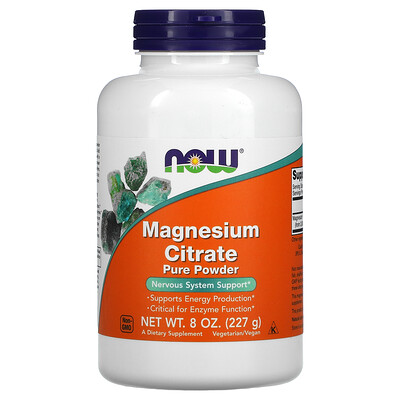
NOW Foods Magnesium Citrate Pure Powder: Benefits and Usage
Name and Basic Overview
NOW Foods Magnesium Citrate Pure Powder is a dietary supplement designed to support the nervous system, energy production, and enzyme function. Magnesium is naturally found in foods like leafy greens, nuts, seeds, and whole grains, but this supplement provides it in a synthetic citrate form for enhanced absorption. People commonly seek magnesium supplements for muscle relaxation, improved sleep, and to support cardiovascular health.
Historical Background / Traditional Use
Magnesium has been recognized for its health benefits since ancient times, with its use documented in traditional medicine systems for muscle and nerve function. Historically, magnesium-rich mineral waters were consumed for their purported health benefits, a practice that continues today in a more refined form through supplements.
Composition and Active Components
The primary active component in this supplement is magnesium citrate, providing 450 mg of magnesium per serving. Magnesium acts as a cofactor in over 300 enzymatic reactions, including those involved in energy production, protein synthesis, and glucose metabolism. It also plays a crucial role in maintaining normal nerve and muscle function, supporting a healthy immune system, and keeping bones strong.
Research and Evidence Base
Numerous studies have highlighted the importance of magnesium in maintaining overall health. Clinical trials have shown that magnesium supplementation can improve muscle function, reduce the frequency of migraines, and enhance sleep quality. A meta-analysis published in the journal "Nutrients" in 2017 confirmed magnesium's role in reducing blood pressure, particularly in individuals with hypertension. While the evidence supporting magnesium's benefits is robust, ongoing research continues to explore its potential in managing conditions like type 2 diabetes and cardiovascular diseases. Preclinical studies suggest that magnesium may influence mood and cognitive function, but more research is needed to confirm these effects in humans.
Potential Health Benefits
- Nervous System Support: Magnesium is essential for nerve impulse transmission, which can help maintain a healthy nervous system.
- Supports Energy Production: As a cofactor in over 300 enzymatic reactions, magnesium plays a crucial role in energy production and metabolism.
- Critical for Enzyme Function: Magnesium is vital for the synthesis of fatty acids, proteins, and glucose metabolism, supporting overall metabolic health.
- Bone Health: Magnesium contributes to bone mineralization and helps regulate calcium balance, which is crucial for maintaining strong bones.
- Muscle Function: It aids in muscle contraction and relaxation, potentially reducing muscle cramps and spasms.
Safety, Side Effects, and Precautions
- Gastrointestinal Upset: High doses of magnesium citrate can cause diarrhea, nausea, and abdominal cramping.
- Allergic Reactions: Although rare, some individuals may experience allergic reactions to magnesium supplements.
- Specific Populations: Pregnant or breastfeeding women, children, and individuals with kidney disorders should consult a healthcare provider before use.
- Drug Interactions: Magnesium can interact with certain medications, such as antibiotics and diuretics, potentially affecting their efficacy.
Summary and Takeaway
Main Benefits: Supports nervous system health, energy production, enzyme function, bone health, and muscle function.
Caveats: Potential for gastrointestinal upset and interactions with certain medications.
Potential Risks: Overconsumption can lead to diarrhea and other digestive issues; consult a healthcare provider if you have underlying health conditions.
Worth Trying: This supplement may benefit those with magnesium deficiency or increased needs due to lifestyle or health conditions.
Rating Among Supplements: 8/10. It provides a well-absorbed form of magnesium with multiple health benefits.
Rating Based on Research: 7/10. Magnesium's role in health is well-documented, but individual responses can vary, and more research is needed on specific health outcomes.

Wellmate AI
Your smart AI assistant for supplements and wellness. Trained on scientific research, it provides personalized recommendations based on your intake, health data, and global standards (WHO, FDA). Chat with AI, track supplements, and get expert-backed insights—all in one app. Download Wellmate