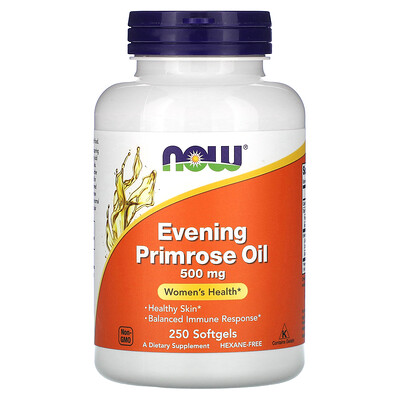
NOW Foods Evening Primrose Oil: Benefits and Considerations
Name and Basic Overview
NOW Foods Evening Primrose Oil is a dietary supplement primarily marketed for women's health, skin health, and balanced immune response. It is derived from the seeds of the Evening Primrose plant (Oenothera biennis) and is known for its content of Gamma Linolenic Acid (GLA), an Omega-6 fatty acid. People often seek this supplement for its potential benefits in supporting skin health, hormonal balance, and immune function.
Historical Background / Traditional Use
Evening Primrose Oil has a history of use among Native American tribes for its purported healing properties, particularly in treating skin conditions and wounds. In modern times, it is used more for its potential benefits in managing conditions like eczema, premenstrual syndrome (PMS), and rheumatoid arthritis, which differ from its traditional applications.
Composition and Active Components
The primary active component of Evening Primrose Oil is Gamma Linolenic Acid (GLA), a polyunsaturated fatty acid. GLA is believed to play a role in the body by being converted into prostaglandins, which are compounds that help regulate inflammation and immune responses. The supplement also contains other types of fats, including polyunsaturated and monounsaturated fats, which contribute to its overall nutritional profile.
Research and Evidence Base
Several studies have investigated the effects of GLA on various health conditions. For instance, some clinical trials suggest that GLA may help improve skin conditions like eczema by enhancing skin barrier function and reducing inflammation. Research on the use of Evening Primrose Oil for PMS and menopausal symptoms has shown mixed results, with some studies indicating potential benefits while others find no significant effects. The evidence supporting its use for rheumatoid arthritis and other inflammatory conditions is still considered preliminary, with more robust clinical trials needed to confirm its efficacy. Overall, while there is some promising evidence for certain uses of Evening Primrose Oil, more comprehensive research is required to fully understand its benefits and mechanisms of action.
Potential Health Benefits
- Women's Health: Evening Primrose Oil (EPO) is often marketed for its potential benefits in alleviating symptoms of premenstrual syndrome (PMS) and menopause, such as breast pain and mood swings. Some studies suggest that GLA, a component of EPO, may help in managing these symptoms, although more robust research is needed.
- Healthy Skin: EPO is believed to support skin health by maintaining the skin's moisture barrier and reducing inflammation. Some research indicates that it may be beneficial for conditions like eczema, though results are mixed.
- Balanced Immune Response: The GLA in EPO is thought to support a healthy immune response, potentially aiding in the management of inflammatory conditions. However, evidence is still emerging, and more studies are required to confirm these effects.
Safety, Side Effects, and Precautions
- Gastrointestinal Upset: Some users may experience mild gastrointestinal issues such as nausea or diarrhea.
- Allergic Reactions: Although rare, allergic reactions can occur. Individuals with known allergies to evening primrose should avoid this supplement.
- Pregnancy and Breastfeeding: Pregnant or breastfeeding women should consult a healthcare provider before using EPO, as its safety in these populations is not well-established.
- Blood Disorders: Those with bleeding disorders or on anticoagulant therapy should use caution, as EPO may affect blood clotting.
Summary and Takeaway
Main Benefits: Potential support for women's health, skin health, and immune response.
Caveats: Mixed evidence for many claims; more research needed.
Potential Risks: Gastrointestinal upset, possible allergic reactions, and caution advised for certain health conditions.
Worth Trying?: EPO may be worth trying for individuals seeking natural support for PMS or skin health, but they should manage expectations and consult healthcare providers, especially if they have underlying health conditions.
Rating Among Similar Supplements: 7/10. EPO is a popular supplement with a long history of use, but its benefits are not universally supported by strong evidence.
Rating Based on Research: 6/10. While there is some research on EPO, particularly regarding women's health and skin conditions, the evidence is not conclusive, and more high-quality studies are needed.

Wellmate AI
Your smart AI assistant for supplements and wellness. Trained on scientific research, it provides personalized recommendations based on your intake, health data, and global standards (WHO, FDA). Chat with AI, track supplements, and get expert-backed insights—all in one app. Download Wellmate