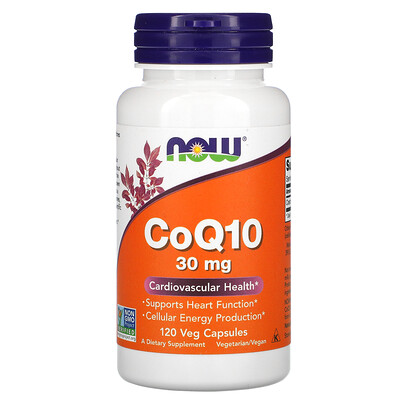
NOW Foods CoQ10: Supporting Cardiovascular Health and Energy
Name and Basic Overview
NOW Foods CoQ10, 30 mg, 120 Veg Capsules is a dietary supplement designed to support cardiovascular health and cellular energy production. Coenzyme Q10 (CoQ10) is a naturally occurring compound found in the body, particularly in the heart, liver, and kidneys. It can also be synthesized or obtained from dietary sources such as meat, fish, and whole grains. People commonly seek CoQ10 supplements for its potential benefits in enhancing heart function, supporting energy levels, and acting as an antioxidant.
Historical Background / Traditional Use
CoQ10 was first identified in 1957 and has since been studied extensively for its role in cellular energy production and antioxidant properties. While not traditionally used in ancient medicine, its discovery and subsequent research have led to its modern-day use in supporting cardiovascular health and energy metabolism.
Composition and Active Components
The primary active component in this supplement is Coenzyme Q10 (CoQ10), a fat-soluble, vitamin-like compound. CoQ10 is integral to the electron transport chain, a critical component of cellular respiration, where it facilitates the production of ATP, the energy currency of cells. It also functions as an antioxidant, protecting cells from oxidative damage by scavenging free radicals.
Research and Evidence Base
Numerous clinical trials and studies have investigated the effects of CoQ10 on cardiovascular health. Evidence suggests that CoQ10 supplementation may improve heart function, particularly in individuals with heart failure, by enhancing energy production and reducing oxidative stress. A meta-analysis published in the Journal of the American College of Cardiology highlighted CoQ10's potential in reducing mortality and improving symptoms in heart failure patients. Preliminary research also indicates that CoQ10 may benefit individuals with conditions like hypertension and migraine, although more robust studies are needed to confirm these effects. While the evidence supporting CoQ10's role in cardiovascular health is promising, further research is necessary to fully understand its benefits and optimal dosing strategies.
Potential Health Benefits
- Supports Heart Function: Coenzyme Q10 (CoQ10) is well-regarded for its role in supporting cardiovascular health. It is involved in the production of adenosine triphosphate (ATP), which is crucial for heart muscle function. Some studies suggest that CoQ10 supplementation may improve symptoms in individuals with heart failure and may help reduce blood pressure.
- Cellular Energy Production: CoQ10 is essential for the mitochondrial electron transport chain, which is vital for cellular energy production. This can be particularly beneficial for individuals experiencing fatigue or those with conditions that affect energy metabolism.
- Antioxidant Properties: CoQ10 acts as a potent antioxidant, helping to neutralize free radicals and reduce oxidative stress. This can contribute to overall cellular health and may have protective effects against certain chronic diseases.
- Age-Related Decline: As CoQ10 levels naturally decline with age, supplementation may help maintain adequate levels, potentially supporting overall health and vitality in older adults.
Safety, Side Effects, and Precautions
- Gastrointestinal Upset: Some individuals may experience mild gastrointestinal symptoms such as nausea, diarrhea, or stomach upset when taking CoQ10 supplements.
- Allergic Reactions: Although rare, allergic reactions to CoQ10 can occur. Symptoms may include rash, itching, or swelling.
- Interactions with Medications: CoQ10 may interact with certain medications, such as blood thinners (e.g., warfarin) and blood pressure medications. Individuals on these medications should consult a healthcare provider before starting CoQ10.
- Specific Populations: Pregnant or breastfeeding women, children, and individuals with specific health conditions should seek medical advice before using CoQ10 supplements.
Summary and Takeaway
CoQ10 supports cardiovascular health and cellular energy production, with antioxidant properties that may protect against oxidative stress. Mild gastrointestinal side effects are possible, and interactions with certain medications should be considered. CoQ10 supplementation may be particularly beneficial for older adults or those with specific cardiovascular concerns.
Rating for Effectiveness: 8/10 - CoQ10 is well-supported by research for its cardiovascular and energy production benefits.
Rating for Research: 7/10 - While there is substantial research on CoQ10, more large-scale, long-term studies could further validate its benefits and safety profile.

Wellmate AI
Your smart AI assistant for supplements and wellness. Trained on scientific research, it provides personalized recommendations based on your intake, health data, and global standards (WHO, FDA). Chat with AI, track supplements, and get expert-backed insights—all in one app. Download Wellmate