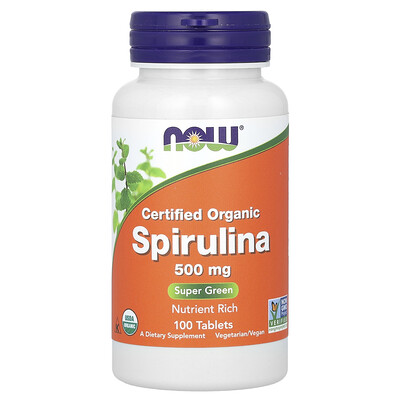
NOW Foods Certified Organic Spirulina: A Comprehensive Overview
Name and Basic Overview
NOW Foods Certified Organic Spirulina is a dietary supplement derived from blue-green microalgae, specifically Arthrospira platensis. Spirulina is known for its rich nutrient profile, including proteins, vitamins, minerals, and gamma-linolenic acid (GLA). It is sought after for its potential benefits in boosting energy, supporting immune function, and providing antioxidant protection.
Historical Background / Traditional Use
Spirulina has been consumed for centuries, with historical use by the Aztecs and other Mesoamerican cultures as a food source. Traditionally, it was harvested from natural alkaline lakes and used for its nutritional benefits. Modern usage focuses on its potential health benefits, including its role as a superfood and dietary supplement.
Composition and Active Components
The primary component of spirulina is protein, making up about 60-70% of its dry weight, which is higher than most plant-based sources. It contains essential amino acids, vitamins (such as B vitamins), minerals (including iron and magnesium), and phytonutrients like beta-carotene. Spirulina is also a source of gamma-linolenic acid (GLA), a type of omega-6 fatty acid, and phycocyanin, a pigment with antioxidant properties.
Research and Evidence Base
Numerous studies have investigated spirulina's health benefits. Some clinical trials suggest it may help improve lipid profiles, reduce inflammation, and enhance immune function. A meta-analysis of spirulina supplementation indicated potential benefits in reducing cholesterol levels and improving blood glucose control. While some evidence supports its antioxidant and anti-inflammatory effects, more robust, large-scale studies are needed to confirm these findings and establish standardized dosing guidelines. Overall, the evidence is promising but still considered preliminary, warranting further research to fully understand spirulina's health impacts.
Potential Health Benefits
- Nutrient-Dense Superfood: Spirulina is renowned for its rich nutrient profile, including proteins, vitamins, minerals, and essential fatty acids like gamma-linolenic acid (GLA). This makes it a popular choice for those seeking a comprehensive nutritional supplement.
- Antioxidant Properties: Spirulina contains phycocyanin, a potent antioxidant that may help combat oxidative stress and inflammation, potentially supporting overall health and wellness.
- Immune Support: Some studies suggest that spirulina may enhance immune function by increasing the production of antibodies and infection-fighting proteins.
- Potential Cholesterol Management: Preliminary research indicates that spirulina may help lower LDL cholesterol and triglyceride levels, contributing to cardiovascular health.
- Energy and Vitality: Due to its nutrient density, spirulina is often marketed as a natural energy booster, supporting vitality and reducing fatigue.
Safety, Side Effects, and Precautions
- Gastrointestinal Upset: Some individuals may experience mild digestive issues, such as nausea or diarrhea, when first introducing spirulina into their diet.
- Allergic Reactions: Although rare, allergic reactions to spirulina can occur. Individuals with known allergies to algae or seafood should exercise caution.
- Heavy Metal Contamination: It's crucial to choose spirulina from reputable sources, as contamination with heavy metals or toxins can be a concern with poorly regulated products.
- Pregnancy and Nursing: Pregnant or nursing women should consult a healthcare provider before using spirulina, as its safety in these populations is not well-established.
- Autoimmune Conditions: Those with autoimmune diseases should be cautious, as spirulina may stimulate the immune system.
Summary and Takeaway
Main Benefits: Nutrient-rich, antioxidant properties, potential immune support, and cholesterol management.
Caveats: Possible digestive upset, rare allergic reactions, and the importance of sourcing from reputable brands.
Potential Risks: Heavy metal contamination and caution for specific health conditions.
Worth Trying? Spirulina can be a valuable addition for those seeking a nutrient-dense supplement, particularly vegetarians and vegans. However, it's essential to ensure product quality and consult with a healthcare provider if you have specific health concerns.
Rating Among Similar Supplements: 8/10. Spirulina is well-regarded for its comprehensive nutrient profile and potential health benefits, but quality control is crucial.
Rating Based on Research: 7/10. While there is promising research on spirulina, more large-scale, long-term studies are needed to fully understand its health impacts.

Wellmate AI
Your smart AI assistant for supplements and wellness. Trained on scientific research, it provides personalized recommendations based on your intake, health data, and global standards (WHO, FDA). Chat with AI, track supplements, and get expert-backed insights—all in one app. Download Wellmate