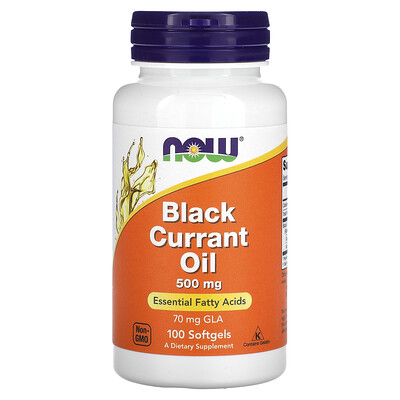
NOW Foods Black Currant Oil: Benefits and Usage
Name and Basic Overview
NOW Foods Black Currant Oil is a dietary supplement derived from the seeds of the black currant plant, Ribes nigrum. It is primarily sought for its content of essential fatty acids, particularly gamma-linolenic acid (GLA) and alpha-linolenic acid (ALA).
Black currant oil is a natural source of these fatty acids, which are crucial for maintaining various bodily functions, including skin health, immune response, and inflammation regulation. People often use black currant oil to support skin health, manage inflammation, and promote overall wellness.
Historical Background / Traditional Use
Black currant has a long history of use in traditional medicine, particularly in Europe, where it was used for its purported anti-inflammatory and immune-boosting properties. Historically, black currant leaves and berries were used in folk remedies for treating ailments such as sore throats and rheumatism.
Modern usage focuses more on the oil extracted from the seeds, which is rich in essential fatty acids, a shift from the traditional use of the plant's leaves and berries.
Composition and Active Components
The primary active components of black currant oil are essential fatty acids, including gamma-linolenic acid (GLA) and alpha-linolenic acid (ALA). GLA is an omega-6 fatty acid that plays a role in maintaining skin health and modulating inflammatory responses. It is more efficiently utilized by the body when consumed directly from dietary sources.
ALA is an omega-3 fatty acid that contributes to cardiovascular health and has anti-inflammatory properties. These fatty acids are crucial for maintaining cell membrane integrity and supporting various physiological functions.
Research and Evidence Base
Research on black currant oil has shown potential benefits in managing conditions related to inflammation and skin health. Some studies suggest that GLA may help improve skin conditions such as eczema and psoriasis by reducing inflammation and improving skin barrier function.
Clinical trials have also explored the role of black currant oil in supporting immune function and reducing symptoms of rheumatoid arthritis, with some positive outcomes, although more research is needed to confirm these effects. The evidence supporting the use of black currant oil is promising but not yet conclusive. More robust clinical trials are necessary to fully understand its efficacy and potential health benefits.
Potential Health Benefits
- Supports Skin Health: Black currant oil, rich in gamma-linolenic acid (GLA), is often marketed for its potential to improve skin conditions such as eczema and dry skin. GLA is known to help maintain skin moisture and elasticity.
- Anti-Inflammatory Properties: GLA and other essential fatty acids in black currant oil may help reduce inflammation, potentially benefiting conditions like rheumatoid arthritis.
- Cardiovascular Health: The presence of alpha-linolenic acid (ALA), an omega-3 fatty acid, may support heart health by contributing to the maintenance of normal blood cholesterol levels.
- Immune System Support: Some studies suggest that black currant oil may enhance immune function, possibly due to its anti-inflammatory and antioxidant properties.
Safety, Side Effects, and Precautions
- Gastrointestinal Upset: Some users may experience mild gastrointestinal issues such as nausea or diarrhea.
- Allergic Reactions: Individuals with allergies to black currant or similar plants should exercise caution.
- Pregnancy and Breastfeeding: Limited data is available on the safety of black currant oil during pregnancy and breastfeeding, so it is advisable to consult a healthcare provider.
- Blood Thinning: Those on anticoagulant medications should be cautious, as omega-3 fatty acids can have a blood-thinning effect.
Summary and Takeaway
Main Benefits: Supports skin health, may reduce inflammation, promotes cardiovascular health, and potentially boosts immune function.
Caveats: Possible gastrointestinal upset, allergic reactions, and limited safety data for pregnant or breastfeeding women.
Potential Risks: Interaction with blood-thinning medications.
Worth Trying?: Black currant oil may be beneficial for individuals looking to support skin health and reduce inflammation. However, those with specific health conditions or on certain medications should consult a healthcare provider.
Rating Among Similar Supplements: 7/10. Black currant oil offers a good source of GLA and ALA, but its benefits are not as extensively documented as some other omega-rich oils like fish oil.
Rating Based on Research: 6/10. While there is some promising research on black currant oil, more extensive studies are needed to fully understand its health benefits and safety profile.

Daria Yarygina
Daria is dedicated to promoting healthy eating habits and evidence-based nutrition practices through her research and publications. She is a certified dietitian with a passion for helping individuals achieve their health goals.