Natural Factors PQQ-10: A Comprehensive Overview
Name and Basic Overview
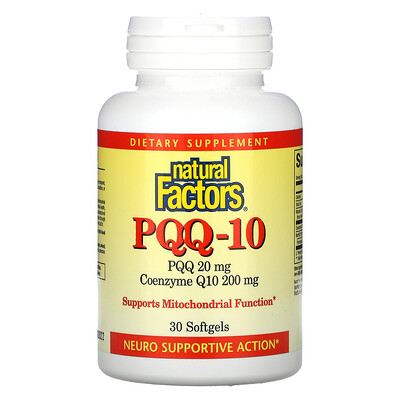
Natural Factors PQQ-10 is a dietary supplement combining Pyrroloquinoline Quinone (PQQ) and Coenzyme Q10 (CoQ10). PQQ is a novel cofactor with antioxidant properties and B vitamin-like activity, while CoQ10 is a well-known antioxidant that supports cellular energy production. This supplement is primarily sought for its potential benefits in supporting mitochondrial function, cardiovascular health, and neuroprotection.
Historical Background / Traditional Use
PQQ was first identified as a cofactor in bacterial enzymes and has gained attention for its role in human health, particularly in mitochondrial function. CoQ10 has been used for decades, especially in the context of cardiovascular health, due to its role in energy production and antioxidant protection. Modern usage focuses on the synergistic effects of PQQ and CoQ10 in enhancing mitochondrial efficiency and protecting against oxidative stress.
Composition and Active Components
- Coenzyme Q10 (200 mg): A fat-soluble antioxidant that plays a critical role in the electron transport chain, facilitating ATP production in mitochondria. It also helps protect cells from oxidative damage.
- Pyrroloquinoline Quinone (PQQ, 20 mg): Known for its antioxidant properties, PQQ supports mitochondrial biogenesis and function, potentially enhancing cellular energy and protecting neurons.
- Vitamin E (3 mg): An antioxidant that helps protect cell membranes from oxidative damage, enhancing the overall antioxidant capacity of the supplement.
Research and Evidence Base
CoQ10: Numerous studies have demonstrated its efficacy in improving heart health, particularly in individuals with heart failure, and in reducing the side effects of statin medications. A meta-analysis published in the "Journal of the American College of Cardiology" highlighted its benefits in improving endothelial function and reducing oxidative stress.
PQQ: Research is still emerging, but preliminary studies suggest it may enhance mitochondrial function and protect against neurodegenerative diseases. A study in "The Journal of Nutrition" indicated that PQQ supplementation could improve mitochondrial efficiency and reduce markers of inflammation.
The combination of PQQ and CoQ10 is thought to provide complementary benefits, with PQQ promoting mitochondrial biogenesis and CoQ10 enhancing energy production and antioxidant protection. However, more robust clinical trials are needed to confirm these synergistic effects.
Potential Health Benefits
- Supports Mitochondrial Function: Both PQQ and CoQ10 are known for their roles in mitochondrial health. PQQ may help in the generation of new mitochondria, a process known as mitochondrial biogenesis. CoQ10 is crucial for energy production in cells, particularly in the heart and brain.
- Neuro Supportive Action: PQQ and CoQ10 may offer neuroprotective benefits. PQQ has been studied for its potential to protect neurons from oxidative stress, while CoQ10 is known to support cognitive function and may help in conditions like Parkinson's disease.
- Cardiovascular Health: CoQ10 is well-documented for its role in supporting heart health, potentially improving heart function and reducing the risk of heart disease. PQQ may complement these effects through its antioxidant activity.
Safety, Side Effects, and Precautions
- Gastrointestinal Upset: Some individuals may experience mild gastrointestinal issues such as nausea or diarrhea when taking CoQ10 or PQQ.
- Allergic Reactions: Although rare, allergic reactions to any of the ingredients are possible. Individuals with known allergies to any components should exercise caution.
- Specific Populations: Pregnant or breastfeeding women, children, and individuals with chronic health conditions should consult a healthcare provider before using this supplement.
Summary and Takeaway
Main Benefits: Supports mitochondrial and cardiovascular health, offers neuroprotective benefits, and provides antioxidant support.
Caveats: Potential for mild gastrointestinal upset; consult a healthcare provider if pregnant, breastfeeding, or managing chronic conditions.
Potential Risks: Minimal, but allergic reactions are possible.
Worth Trying? This supplement may be beneficial for individuals looking to support their mitochondrial function, cardiovascular health, and cognitive function, particularly those with a higher risk of oxidative stress-related conditions.
Rating Among Similar Supplements: 8/10. This product combines two well-researched ingredients that work synergistically, offering a comprehensive approach to mitochondrial and cardiovascular health.
Rating Based on Research: 7/10. While CoQ10 is extensively studied, PQQ is relatively newer in the supplement market, with promising but less comprehensive research backing its benefits.

Wellmate AI
Your smart AI assistant for supplements and wellness. Trained on scientific research, it provides personalized recommendations based on your intake, health data, and global standards (WHO, FDA). Chat with AI, track supplements, and get expert-backed insights—all in one app. Download Wellmate