Natural Factors OmegaFactors Flaxseed Oil: Benefits and Usage
Name and Basic Overview
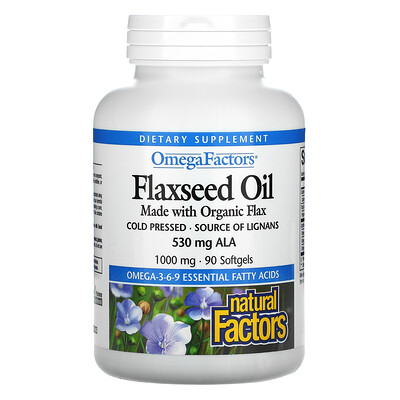
Natural Factors OmegaFactors Flaxseed Oil is a dietary supplement that provides essential fatty acids, primarily sourced from organic flaxseeds. Flaxseed oil is known for its high content of omega-3, omega-6, and omega-9 fatty acids, particularly alpha-linolenic acid (ALA), which is a plant-based omega-3. People commonly use flaxseed oil for its potential benefits in supporting heart health, reducing inflammation, and promoting skin health.
Historical Background / Traditional Use
Flaxseeds have been cultivated since ancient times, with historical use in both culinary and medicinal contexts. Traditionally, flaxseed oil was used in various cultures for its purported health benefits, including digestive health and skin conditions. Modern usage focuses on its role as a plant-based source of omega-3 fatty acids, which are often sought after for cardiovascular and anti-inflammatory benefits.
Composition and Active Components
The primary active component in flaxseed oil is alpha-linolenic acid (ALA), an essential omega-3 fatty acid. Each softgel provides 530 mg of ALA. It also contains omega-6 fatty acids (linoleic acid) and omega-9 fatty acids (oleic acid), contributing to a balanced intake of essential fatty acids. Lignans, a type of phytonutrient found in flaxseeds, are also present, known for their antioxidant properties and potential hormone-balancing effects.
Research and Evidence Base
Numerous studies have investigated the health benefits of ALA, with evidence suggesting it may help reduce the risk of cardiovascular disease by lowering blood pressure and improving lipid profiles. Some research indicates that ALA can be converted in the body to EPA and DHA, other forms of omega-3s, though this conversion is relatively inefficient. The presence of lignans in flaxseed oil has been associated with potential anti-cancer properties, particularly in hormone-related cancers, though more research is needed to confirm these effects. Overall, the evidence supporting the health benefits of flaxseed oil is promising but varies in robustness, with more high-quality clinical trials needed to establish definitive health claims.
Potential Health Benefits
- Supports Heart Health: Flaxseed oil is rich in alpha-linolenic acid (ALA), an omega-3 fatty acid that has been associated with cardiovascular benefits, including reduced inflammation and improved cholesterol levels.
- Promotes Skin Health: The essential fatty acids in flaxseed oil may help maintain skin moisture and elasticity, potentially benefiting conditions like eczema.
- Aids in Digestive Health: Lignans, present in flaxseed oil, are known for their potential to support digestive health and may have mild laxative effects.
- Anti-inflammatory Properties: Omega-3 fatty acids, such as ALA, are known for their anti-inflammatory effects, which can be beneficial for joint health and reducing symptoms of inflammatory conditions.
- Hormonal Balance: Lignans in flaxseed oil may have phytoestrogenic properties, which could help in balancing hormones, particularly in women.
Safety, Side Effects, and Precautions
- Gastrointestinal Upset: Some individuals may experience mild gastrointestinal issues, such as bloating or diarrhea, when first taking flaxseed oil.
- Allergic Reactions: Although rare, some people may have allergic reactions to flaxseed oil.
- Pregnancy and Breastfeeding: Pregnant or breastfeeding women should consult a healthcare provider before using flaxseed oil supplements due to limited research on safety.
- Blood Thinning: Flaxseed oil may have a mild blood-thinning effect, so individuals on anticoagulant medications should use it cautiously.
- Children: The safety of flaxseed oil in children has not been extensively studied, so it is advisable to consult a pediatrician before use.
Summary and Takeaway
Main Benefits: Supports heart and skin health, aids digestion, and has anti-inflammatory properties.
Caveats: Potential for gastrointestinal upset and interactions with blood-thinning medications.
Potential Risks: Allergic reactions and limited research on safety in pregnancy and children.
Worth Trying: This supplement may be beneficial for those looking to increase their intake of omega-3 fatty acids and lignans, particularly for heart and skin health.
Rating on Effectiveness: 8/10 - Flaxseed oil is well-regarded for its health benefits, particularly for heart health, supported by a good amount of research.
Rating on Research: 7/10 - While there is substantial research on the benefits of ALA and lignans, more studies are needed to fully understand the long-term effects and benefits of flaxseed oil supplementation.

Wellmate AI
Your smart AI assistant for supplements and wellness. Trained on scientific research, it provides personalized recommendations based on your intake, health data, and global standards (WHO, FDA). Chat with AI, track supplements, and get expert-backed insights—all in one app. Download Wellmate