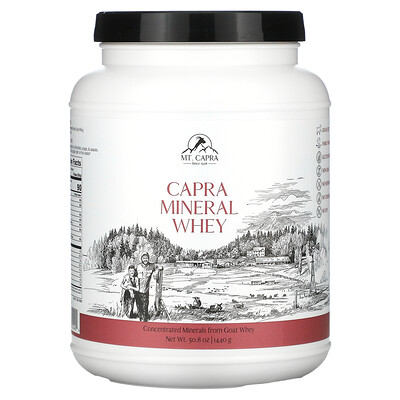
Mt. Capra, Capra Mineral Whey: A Comprehensive Overview
Name and Basic Overview
Mt. Capra, Capra Mineral Whey is a dietary supplement derived from goat whey, known for its concentrated mineral content. It is sourced from grass-fed goats on a family farm, ensuring a natural and sustainable product. This supplement is often sought for its potential to support heart, muscle, and cognitive function by replenishing essential minerals.
Historical Background / Traditional Use
Goat whey has been utilized for centuries in various cultures, particularly in regions where goat farming is prevalent. Traditionally, it was consumed for its nutritional benefits, including its mineral content. Modern usage focuses on its role in restoring mineral balance and supporting overall wellness.
Composition and Active Components
Capra Mineral Whey is rich in several key minerals, including calcium (250 mg), potassium (1130 mg), magnesium (35 mg), phosphorus (170 mg), and sodium (100 mg) per 26 g serving. These minerals play crucial roles in the body, such as maintaining bone health, regulating muscle contractions, and supporting nerve function. The presence of trace elements like zinc, iron, and sulfur further contributes to its nutritional profile.
Research and Evidence Base
While specific clinical trials on Capra Mineral Whey are limited, the individual minerals it contains have been extensively studied. For instance, calcium and magnesium are well-documented for their roles in bone health and muscle function. Potassium is known for its importance in cardiovascular health and maintaining electrolyte balance. The evidence supporting the benefits of these minerals is robust, though the specific synergistic effects of this particular supplement require further research to fully validate its claims.
Potential Health Benefits
- Mineral Replenishment: Capra Mineral Whey is marketed as a source of essential minerals, which are crucial for maintaining heart, muscle, and cognitive functions. The product contains significant amounts of potassium, calcium, and magnesium, which are vital for electrolyte balance and muscle function.
- Bone Health: With calcium and phosphorus, this supplement may support bone health, potentially reducing the risk of osteoporosis.
- Electrolyte Balance: The presence of sodium and chloride can help maintain fluid balance and prevent dehydration, especially useful for athletes or those with high physical activity levels.
- Digestive Health: Goat whey is often easier to digest than cow's milk products, making it a suitable option for those with mild lactose intolerance.
Safety, Side Effects, and Precautions
- Gastrointestinal Upset: Some individuals may experience mild digestive discomfort, such as bloating or gas, especially if they are not accustomed to whey products.
- Allergies: Those with a known allergy to dairy should avoid this product.
- Sodium Content: Individuals on a sodium-restricted diet should be cautious due to the sodium content.
- Pregnancy and Children: While generally safe, pregnant women and children should consult a healthcare provider before use.
Summary and Takeaway
Main Benefits: Provides essential minerals, supports bone health, aids in electrolyte balance, and is potentially easier to digest than cow's milk products.
Caveats: Possible digestive discomfort, not suitable for those with dairy allergies, and contains sodium.
Potential Risks: Overconsumption may lead to mineral imbalances or excessive sodium intake.
Worth Trying?: This supplement may be beneficial for those needing mineral replenishment, particularly athletes or individuals with specific dietary needs.
Rating Among Similar Supplements: 7/10. It offers a good range of minerals but lacks comprehensive protein content compared to other whey products.
Rating Based on Research: 6/10. While the benefits of minerals are well-documented, specific studies on goat whey mineral supplements are limited.

Wellmate AI
Your smart AI assistant for supplements and wellness. Trained on scientific research, it provides personalized recommendations based on your intake, health data, and global standards (WHO, FDA). Chat with AI, track supplements, and get expert-backed insights—all in one app. Download Wellmate