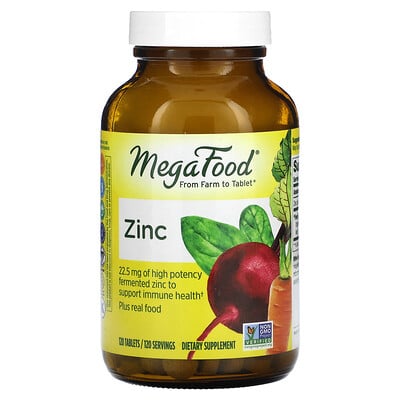
MegaFood Zinc: Immune Support and Healthy Tissue Development
Name and Basic Overview
MegaFood Zinc is a dietary supplement designed to support immune health and promote healthy tissue development. It contains 22.5 mg of high-potency fermented zinc. Zinc is a trace mineral found naturally in foods like meat, shellfish, legumes, seeds, and nuts, and it can also be synthesized for supplements. People commonly seek zinc supplements for immune support, wound healing, and maintaining skin health.
Historical Background / Traditional Use
Zinc has been recognized for its health benefits since ancient times, with its use documented in traditional medicine systems such as Ayurveda and Traditional Chinese Medicine. Historically, zinc was used for its wound-healing properties and to treat skin conditions. Modern usage focuses more on its role in immune function and overall health maintenance.
Composition and Active Components
The primary active component in MegaFood Zinc is zinc bisglycinate, a chelated form of zinc that is known for its high bioavailability and absorption. Zinc plays a crucial role in numerous biological functions, including enzyme activity, protein synthesis, and immune system support. It is essential for the development and function of immune cells. The supplement also includes a food blend of organic spinach, brown rice, parsley leaf, carrot, broccoli, and beetroot, which may provide additional phytonutrients and antioxidants.
Research and Evidence Base
Numerous studies have demonstrated zinc's importance in immune function. A meta-analysis published in the Journal of Nutrition found that zinc supplementation can reduce the duration and severity of the common cold. Research also supports zinc's role in wound healing and skin health, as it is involved in collagen synthesis and inflammatory response regulation. While the evidence supporting zinc's benefits for immune health is robust, the specific effects of fermented zinc bisglycinate, as used in MegaFood Zinc, may require further investigation to fully understand its unique benefits compared to other forms of zinc. The inclusion of a food blend in the supplement is a modern approach, aiming to enhance the nutritional profile and provide additional health benefits, although the specific impact of this blend on zinc absorption or efficacy is not well-documented in scientific literature.
Potential Health Benefits
- Supports Immune Health: Zinc is well-documented for its role in supporting the immune system. It is crucial for the normal development and function of cells mediating innate immunity, neutrophils, and natural killer cells.
- Promotes Healthy Tissue Development: Zinc is essential for cell growth and division, making it vital for maintaining healthy skin, hair, and nails.
- Antioxidant Properties: Zinc acts as an antioxidant, helping to protect cells from oxidative stress and damage.
- Enhanced Absorption: The use of fermented zinc bisglycinate may improve zinc absorption and bioavailability, potentially offering more effective supplementation.
- Nutrient-Rich Food Blend: The inclusion of organic spinach, brown rice, parsley, carrot, broccoli, and beetroot provides additional nutrients and phytochemicals that may support overall health.
Safety, Side Effects, and Precautions
- Gastrointestinal Upset: Some individuals may experience nausea, vomiting, or diarrhea, especially if taken on an empty stomach.
- Allergic Reactions: Although rare, some people may have allergic reactions to zinc supplements or the food blend ingredients.
- Overconsumption Risks: Excessive zinc intake can lead to copper deficiency, weakened immune function, and other health issues. It is important to adhere to recommended dosages.
- Specific Populations: Pregnant or breastfeeding women, children, and individuals with specific health conditions should consult a healthcare provider before use.
Summary and Takeaway
Main Benefits: Supports immune health, promotes healthy tissue development, and provides antioxidant protection.
Caveats: Potential for gastrointestinal upset and allergic reactions; risk of overconsumption.
Potential Risks: Overuse can lead to copper deficiency and other health issues.
Worth Trying?: This supplement may be beneficial for those looking to support their immune system and overall health, particularly if dietary zinc intake is insufficient.
Rating Among Zinc Supplements: 8/10. The inclusion of a food blend and the use of fermented zinc bisglycinate are notable features, but the potential for side effects and the need for careful dosage consideration are important.
Rating Based on Research: 7/10. Zinc's role in immune health is well-studied, but the specific benefits of fermented zinc bisglycinate and the food blend require further research to fully validate their efficacy.

Wellmate AI
Your smart AI assistant for supplements and wellness. Trained on scientific research, it provides personalized recommendations based on your intake, health data, and global standards (WHO, FDA). Chat with AI, track supplements, and get expert-backed insights—all in one app. Download Wellmate