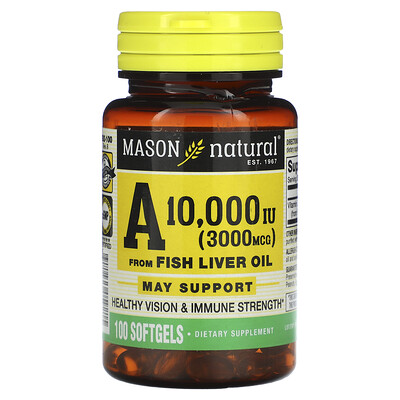
Mason Natural Vitamin A from Fish Liver Oil: Benefits and Precautions
Name and Basic Overview
Mason Natural Vitamin A from Fish Liver Oil is a dietary supplement providing 3,000 mcg (10,000 IU) of Vitamin A per softgel. This supplement is derived from fish liver oil and retinyl palmitate, a synthetic form of Vitamin A. It is commonly sought for its potential benefits in supporting healthy vision and immune function.
Historical Background / Traditional Use
Vitamin A has been recognized for its health benefits for centuries, with fish liver oil historically used in various cultures for its nutrient-rich properties. Traditionally, it was used to prevent night blindness and support overall eye health. Modern usage focuses on its role in cellular development and immune system support.
Composition and Active Components
The primary active component is Vitamin A, which includes retinol from fish liver oil and retinyl palmitate. Vitamin A is crucial for the transcription of DNA into RNA, ensuring proper gene expression and normal cell development. It acts as a potent antioxidant, protecting cells and DNA from free-radical damage. Retinol supports the health of retina cells, aiding in low-light vision and color differentiation.
Research and Evidence Base
Numerous studies have highlighted the importance of Vitamin A in maintaining healthy vision, particularly in low-light conditions, and its role in immune function. Clinical trials have demonstrated that adequate Vitamin A intake is essential for the activation of immune cells like NK cells, lymphocytes, and monocytes. While the evidence supporting its role in vision and immunity is robust, ongoing research continues to explore its broader health implications. The antioxidant properties of Vitamin A are well-documented, though the extent of its protective effects against chronic diseases requires further investigation.
Potential Health Benefits
- Supports Healthy Vision: Vitamin A is crucial for maintaining healthy vision, particularly in low-light conditions. It aids in the function of the retina, helping the eyes adjust to changes in light and differentiate between colors.
- Boosts Immune Function: Vitamin A plays a significant role in the development and activation of immune cells, such as NK cells, lymphocytes, and monocytes, which are essential for a robust immune response.
- Antioxidant Properties: As a potent antioxidant, Vitamin A helps protect cells and DNA from oxidative stress and free-radical damage, potentially reducing the risk of chronic diseases.
- Cell Development: Vitamin A is vital for the normal transcription of DNA into RNA, ensuring proper gene expression and normal cell development.
Safety, Side Effects, and Precautions
- Potential Toxicity: High doses of Vitamin A, particularly from animal sources like fish liver oil, can lead to toxicity. Symptoms may include nausea, dizziness, and even more severe effects like liver damage.
- Pregnancy Concerns: Excessive Vitamin A intake during pregnancy can cause birth defects. Pregnant women should consult healthcare providers before using this supplement.
- Allergic Reactions: Individuals with fish allergies should be cautious, as this product is derived from fish liver oil.
- Interactions: Vitamin A can interact with certain medications, such as retinoids and anticoagulants, potentially altering their effects.
Summary and Takeaway
Main Benefits: Supports vision, boosts immune function, and provides antioxidant protection.
Caveats: Risk of toxicity at high doses, especially for pregnant women and those with fish allergies.
Potential Risks: Overconsumption can lead to serious health issues; consult a healthcare provider for personalized advice.
Worth Trying?: This supplement may benefit individuals with specific Vitamin A deficiencies or those seeking to support vision and immune health, but caution is advised regarding dosage.
Rating Among Similar Supplements: 7/10. While effective, the risk of toxicity and potential interactions require careful consideration.
Rating Based on Research: 8/10. Vitamin A's benefits are well-documented, but the potential for adverse effects at high doses necessitates further study on safe supplementation levels.

Wellmate AI
Your smart AI assistant for supplements and wellness. Trained on scientific research, it provides personalized recommendations based on your intake, health data, and global standards (WHO, FDA). Chat with AI, track supplements, and get expert-backed insights—all in one app. Download Wellmate