Maca: A Traditional Andean Root with Modern Health Claims
Name and Basic Overview
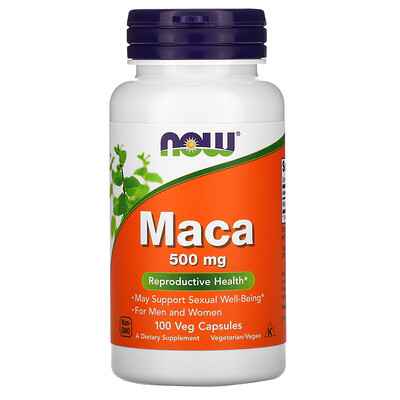
Maca, scientifically known as Lepidium meyenii, is a root vegetable native to the Andes region of Central Peru. It is often consumed as a dietary supplement in capsule form, such as NOW Foods' Maca 500 mg.
Traditionally, maca is sought for its potential benefits in reproductive health and sexual well-being for both men and women. It is also popular for its purported energy-boosting properties.
Maca is available in various forms, including powders and capsules, and is often included in vegetarian, vegan, and non-GMO dietary regimens.
Historical Background / Traditional Use
Maca has a long history of use in traditional Andean culture, where it was consumed as both a food and a medicinal plant. It was valued for its ability to enhance fertility and stamina.
In traditional medicine, maca was used as a general tonic to improve energy and vitality, and it was often consumed by warriors before battles.
Modern usage of maca focuses more on its potential to support reproductive health and energy levels, although its application has expanded globally beyond its traditional roots.
Composition and Active Components
The primary active components of maca include macamides, macaenes, and glucosinolates, which are believed to contribute to its health benefits.
Maca is also rich in essential nutrients such as vitamins (B1, B2, C, and E), minerals (calcium, potassium, and iron), and amino acids.
These components are thought to work synergistically to support energy metabolism and reproductive health, although the exact mechanisms remain under investigation.
Research and Evidence Base
Several studies have explored the effects of maca on reproductive health and energy levels. Some clinical trials suggest that maca may improve sexual desire and function in both men and women, although results are mixed and further research is needed.
A systematic review of randomized clinical trials indicated that maca might have a positive effect on sexual dysfunction and libido, but the evidence is not yet robust enough to draw definitive conclusions.
Importantly, research has shown that maca does not directly affect endocrine function, suggesting that its benefits may be mediated through other pathways.
While preclinical studies have shown promising results, more large-scale, high-quality clinical trials are necessary to fully understand the potential health benefits and mechanisms of action of maca.
Potential Health Benefits
- Reproductive Health: Maca is often marketed for its potential to support reproductive health and sexual well-being in both men and women. Some studies suggest it may improve libido and sexual function, although results can vary.
- Energy and Vitality: Traditionally used as an energy tonic, maca is believed to enhance stamina and reduce fatigue, though more research is needed to confirm these effects.
- Adaptogenic Properties: Maca is sometimes classified as an adaptogen, which means it may help the body adapt to stress, although scientific evidence supporting this claim is limited.
Safety, Side Effects, and Precautions
- General Tolerance: Maca is generally well-tolerated, with few reported side effects. However, some individuals may experience mild gastrointestinal upset.
- Endocrine Effects: While maca is often associated with hormonal balance, clinical data indicate it does not directly affect endocrine function, which may be a consideration for those with hormone-sensitive conditions.
- Specific Populations: Pregnant or breastfeeding women should consult a healthcare provider before using maca. Additionally, individuals with thyroid conditions should exercise caution, as maca contains goitrogens that may interfere with thyroid function.
Summary and Takeaway
Main Benefits: May support reproductive health and energy levels; generally well-tolerated.
Caveats: Limited direct impact on hormones; more research needed to confirm benefits.
Potential Risks: Mild gastrointestinal upset; caution advised for certain health conditions.
Worth Trying?: Maca may be worth trying for those interested in its traditional uses and potential benefits for reproductive health and energy. However, individuals with specific health concerns should consult a healthcare provider.
Rating Among Supplements: 7/10. Maca is a popular supplement with a long history of traditional use, but its benefits are not universally supported by strong scientific evidence.
Rating Based on Research: 6/10. While there is some promising research, more robust clinical trials are needed to fully understand maca's effects and mechanisms.

Wellmate AI
Your smart AI assistant for supplements and wellness. Trained on scientific research, it provides personalized recommendations based on your intake, health data, and global standards (WHO, FDA). Chat with AI, track supplements, and get expert-backed insights—all in one app. Download Wellmate