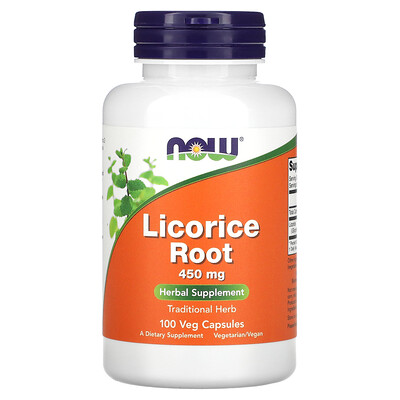
Licorice Root: Benefits, Uses, and Safety
Name and Basic Overview
Licorice Root, derived from the plant Glycyrrhiza glabra, is a widely used herbal supplement known for its sweet flavor and potential health benefits. It is naturally sourced from the root of the licorice plant, which is native to parts of Europe and Asia. People commonly seek licorice root for its purported benefits in digestive health, respiratory support, and as an anti-inflammatory agent.
Historical Background / Traditional Use
Licorice root has a long history of use in traditional Chinese medicine, where it is often included in herbal formulas to harmonize the effects of other herbs. In Ayurvedic practices, it has been used to soothe the stomach and support respiratory health. Modern usage often focuses on its potential to support digestive health and its role in soothing sore throats.
Composition and Active Components
The primary active component in licorice root is glycyrrhizin, a compound that is believed to contribute to its sweet taste and potential health benefits. Glycyrrhizin may exert effects in the body by modulating inflammatory pathways and supporting the immune system. Other components include flavonoids and phytoestrogens, which may also contribute to its health-promoting properties.
Research and Evidence Base
Clinical studies have explored the effects of licorice root on digestive health, with some evidence suggesting it may help alleviate symptoms of indigestion and support gastric health. Research on its anti-inflammatory properties is ongoing, with some studies indicating potential benefits in reducing inflammation and supporting respiratory health. However, the evidence is mixed, and more robust clinical trials are needed to confirm these effects and establish safe usage guidelines. It is important to note that excessive consumption of glycyrrhizin can lead to adverse effects, such as hypertension and electrolyte imbalances, highlighting the need for cautious use.
Potential Health Benefits
- Licorice root is traditionally claimed to support digestive health, soothe the stomach, and alleviate symptoms of indigestion.
- It is often marketed for its potential to support respiratory health, particularly in soothing sore throats and reducing coughs.
- Some studies suggest licorice root may have anti-inflammatory and immune-boosting properties, potentially aiding in the management of certain inflammatory conditions.
- Licorice root is also explored for its potential role in balancing hormones and supporting adrenal health, although more research is needed in these areas.
Safety, Side Effects, and Precautions
Licorice root can cause side effects such as gastrointestinal upset, headaches, and high blood pressure, especially when consumed in large amounts or over extended periods. It may lead to water retention and potassium loss, which can be particularly concerning for individuals with heart conditions or hypertension. Pregnant women, children, and individuals with kidney disease or those taking certain medications (e.g., blood pressure medications, diuretics) should exercise caution and consult a healthcare provider before use. Long-term use of licorice root should be monitored by a healthcare professional to avoid potential adverse effects.
Summary and Takeaway
Licorice root is a traditional herb with potential benefits for digestive and respiratory health. It may offer anti-inflammatory and immune-supportive effects, though more research is needed to confirm these benefits. Potential side effects include gastrointestinal upset and increased blood pressure, necessitating caution for certain individuals. Worth considering for those seeking natural support for digestion and respiratory health, but professional guidance is recommended for long-term use.
Rating:
- 7/10 among dietary supplements of the same type due to its traditional use and potential benefits, balanced by its side effect profile.
- 6/10 based on how well it has been studied, as while there is historical use and some research, more robust clinical trials are needed to fully substantiate its health claims.

Wellmate AI
Your smart AI assistant for supplements and wellness. Trained on scientific research, it provides personalized recommendations based on your intake, health data, and global standards (WHO, FDA). Chat with AI, track supplements, and get expert-backed insights—all in one app. Download Wellmate